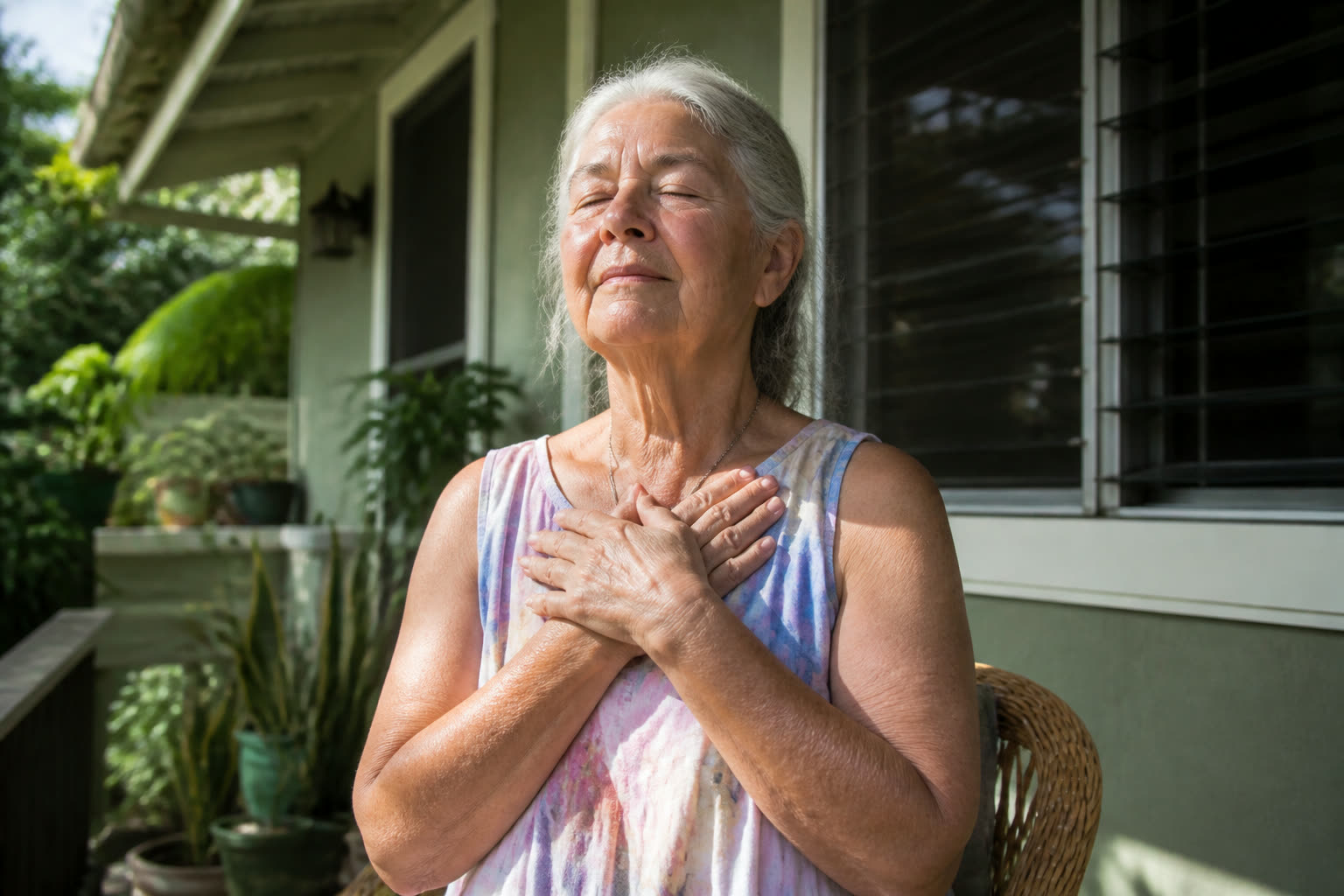
Gratitude for Aging Body Health: Daily Fitness Inspiration
By Doug Jones
Q: How does a positive mindset impact physical health in seniors?
A: Appreciating your body's daily capabilities fosters stress reduction, lowers inflammation, and encourages consistent physical activity as you age.
What's In This Article
- Doug's original column: THANKSGIVING FOR OUR BUFFET OF BLESSINGS: FROM A TO Z...
- Practice Mindful Health Appreciation Seniors Can Use Daily
- Strengthening the Healthy Aging Mind Body Connection
- Building a Positive Mindset for Senior Fitness
- FAQ: the questions I get asked most
Practicing gratitude for aging body health is one of the most powerful things we can do as the years roll by. When you pause to look in the mirror, it is easy to focus on a few new aches or a noisy joint, but your miraculous body is performing trillions of quiet cellular marvels every single second just to keep you moving, breathing, and enjoying life.
Out here on Kaua'i, I like to remind folks that every breath, every heartbeat, and every steady step is a blessing worth celebrating. Your muscles, bones, and vast capillary networks are working in total harmony to support your daily independence and keep you active in your home and community.
Below, I have put together a fun Thanksgiving A-to-Z list showing just how remarkably you are made. Read through these incredible facts, give your body a gentle thank-you, and let's keep moving forward together with joy, safety, and confidence.
Start free at Super7System.com, or take the free fitness sampler and see the full program details.
Original Column: THANKSGIVING FOR OUR BUFFET OF BLESSINGS: FROM A TO Z...
THANKSGIVING FOR OUR BUFFET
OF BLESSINGS: FROM A TO Z...
The perfect way to celebrate this special time of year is to give thanks with a grateful heart while reflecting upon the miracle in the mirror. Surrounded by friends and family, we should all exercise gratitude today, one character at a time! Feast on the fun facts below, taking time to fully digest how you, and those around you, are fearfully and wonderfully made.

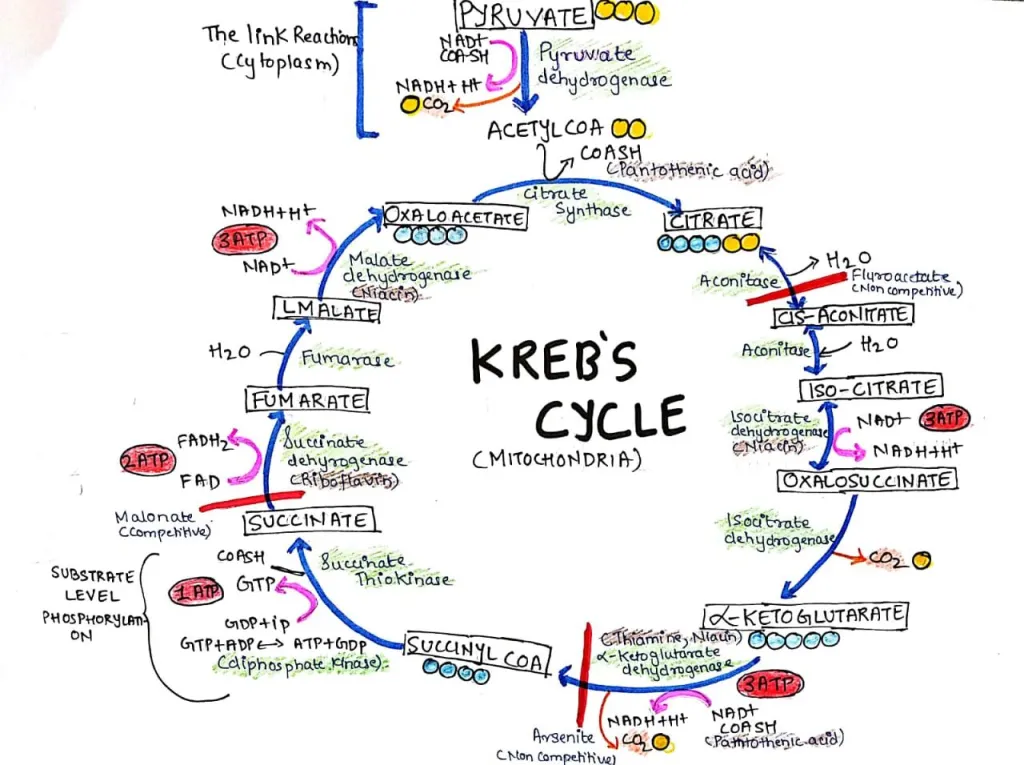
Adenosine Triphosphate (ATP), your truly sustainable source of energy for living life, is being produced in your cells at a rate exceeding 4 pounds per hour.
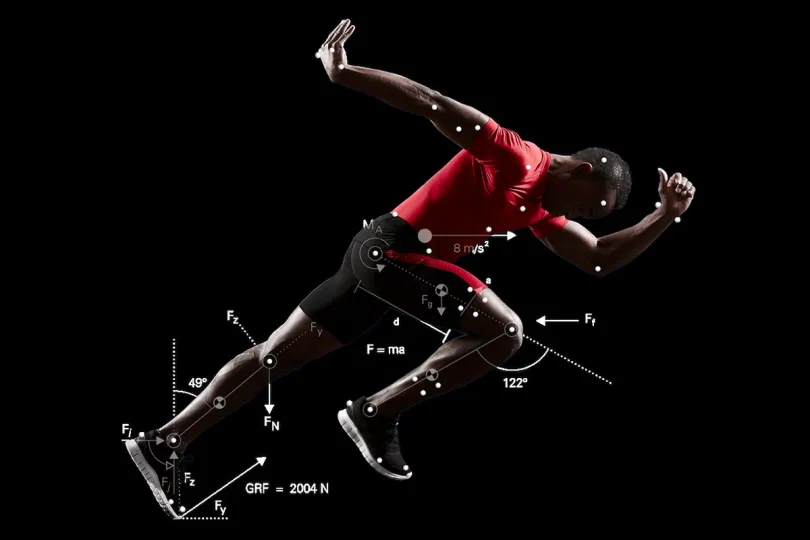
Biomechanics, the orchestration of your body's movement, involves over 600 muscles and more than 360 joints in precise synergy for all your moving and grooving.
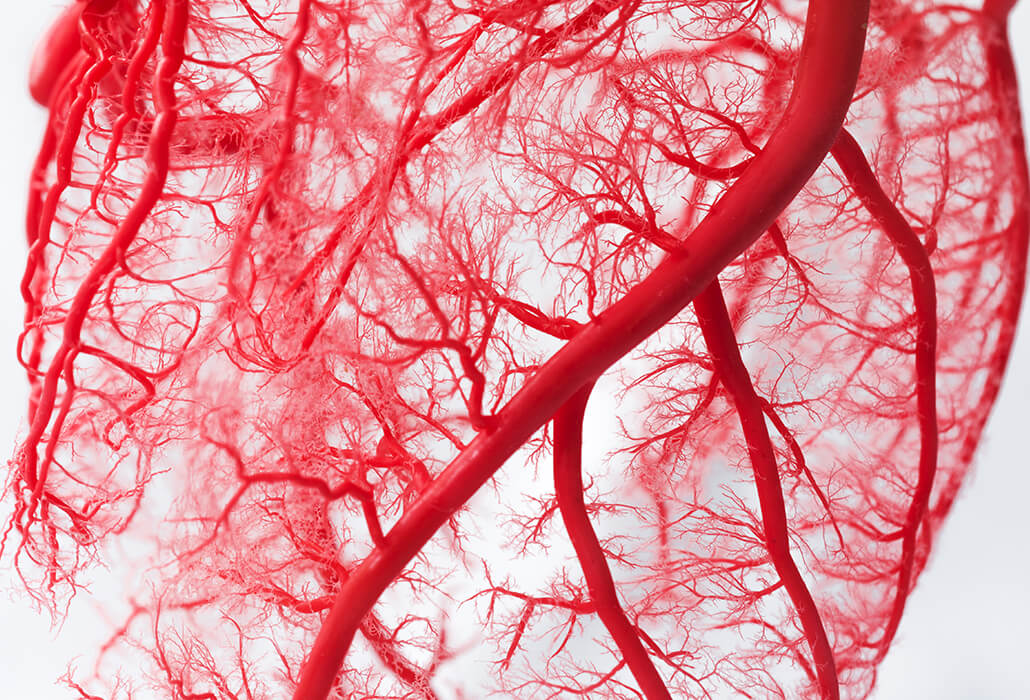
Capillaries, the smallest of blood vessels, comprise a network so vast that, if laid end to end, it would stretch almost 70,000 miles, or from LIH to NYC 7 times.
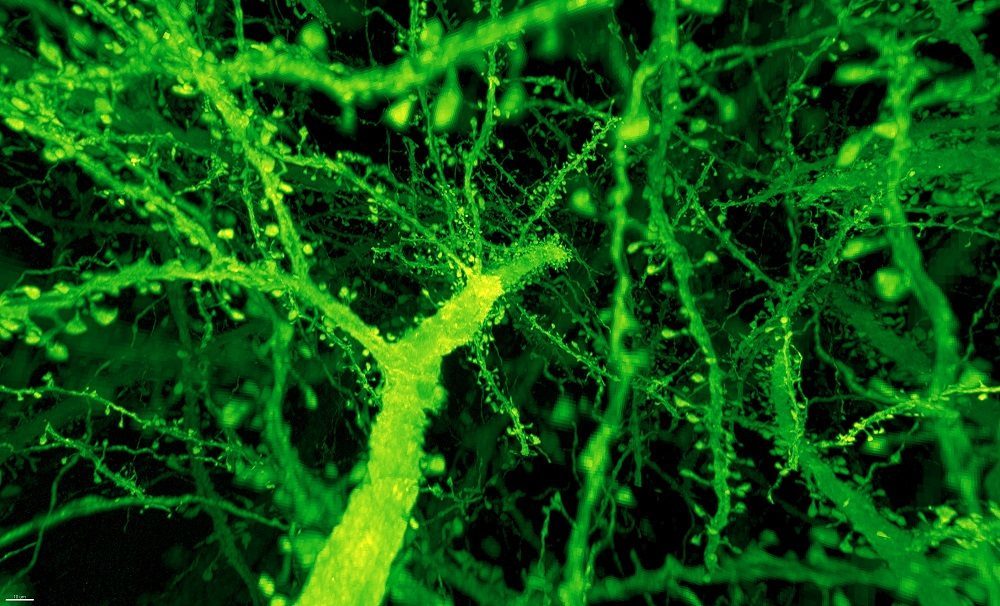
Dendritic Spines, vital for learning and memory, number in the billions, creating a neural network more intricate than the Milky Way galaxy.
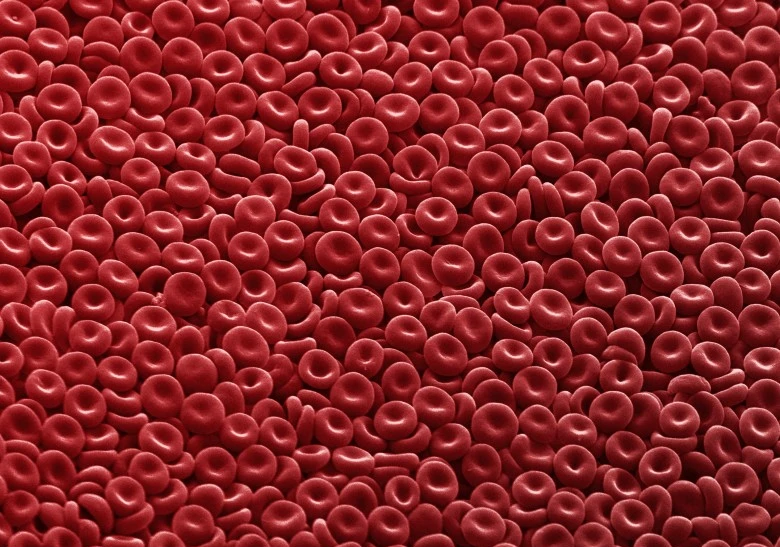
Erythrocytes, your red blood cell army, circulate in the trillions, transporting oxygen and nutrients, keeping you walking and talking and riding and gliding.
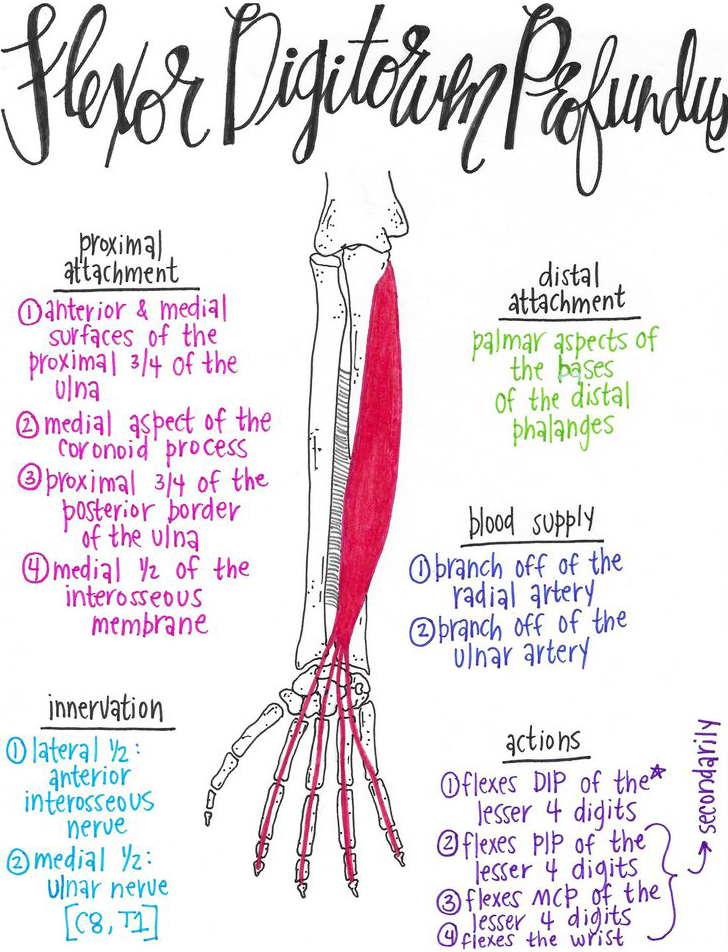
Flexor Digitorum Profundus, a forearm muscle, grips with a force capable of lifting up the rear end of a full half-ton truck, over 1,000 pounds.
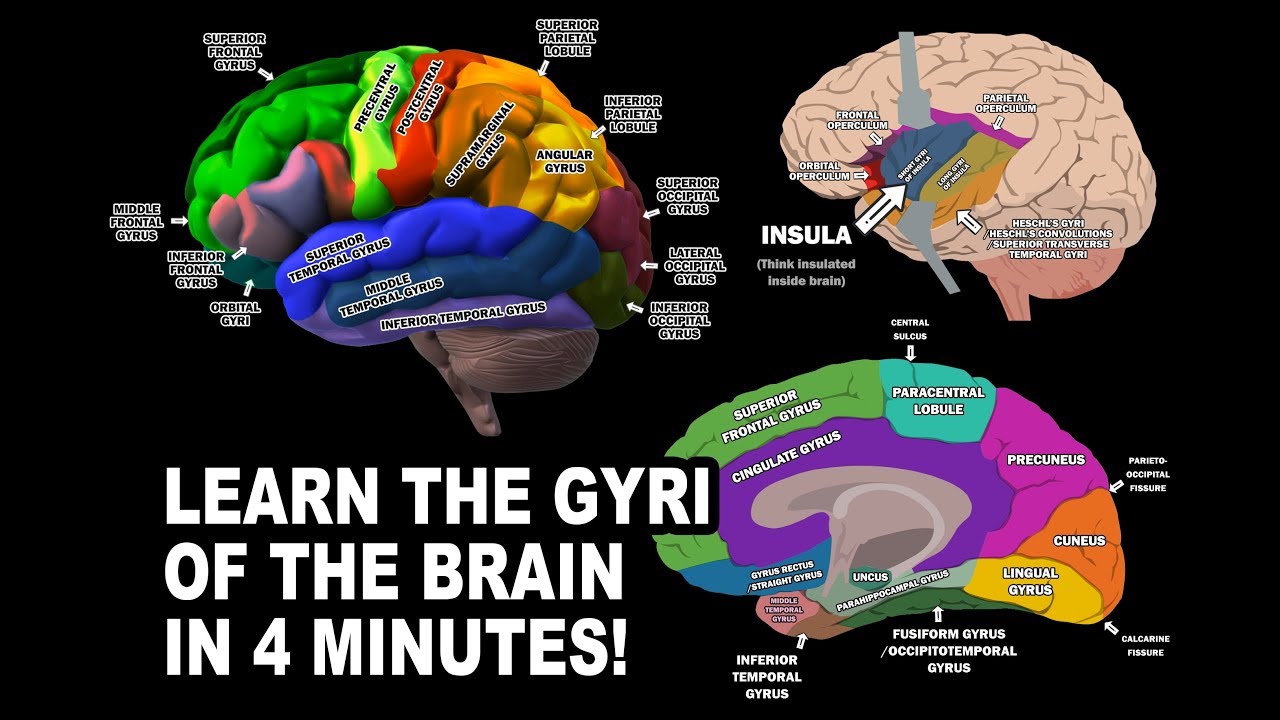
Gyri, the cerebral architects, span an expansive 2,500 square feet of your brain's surface, creating a neural masterpiece larger than a basketball court.
Hydroxyapatite, fortifying bones, is denser than some metals, as hard as concrete, and gives your skeleton a density often exceeding 2,000 pounds per square inch.
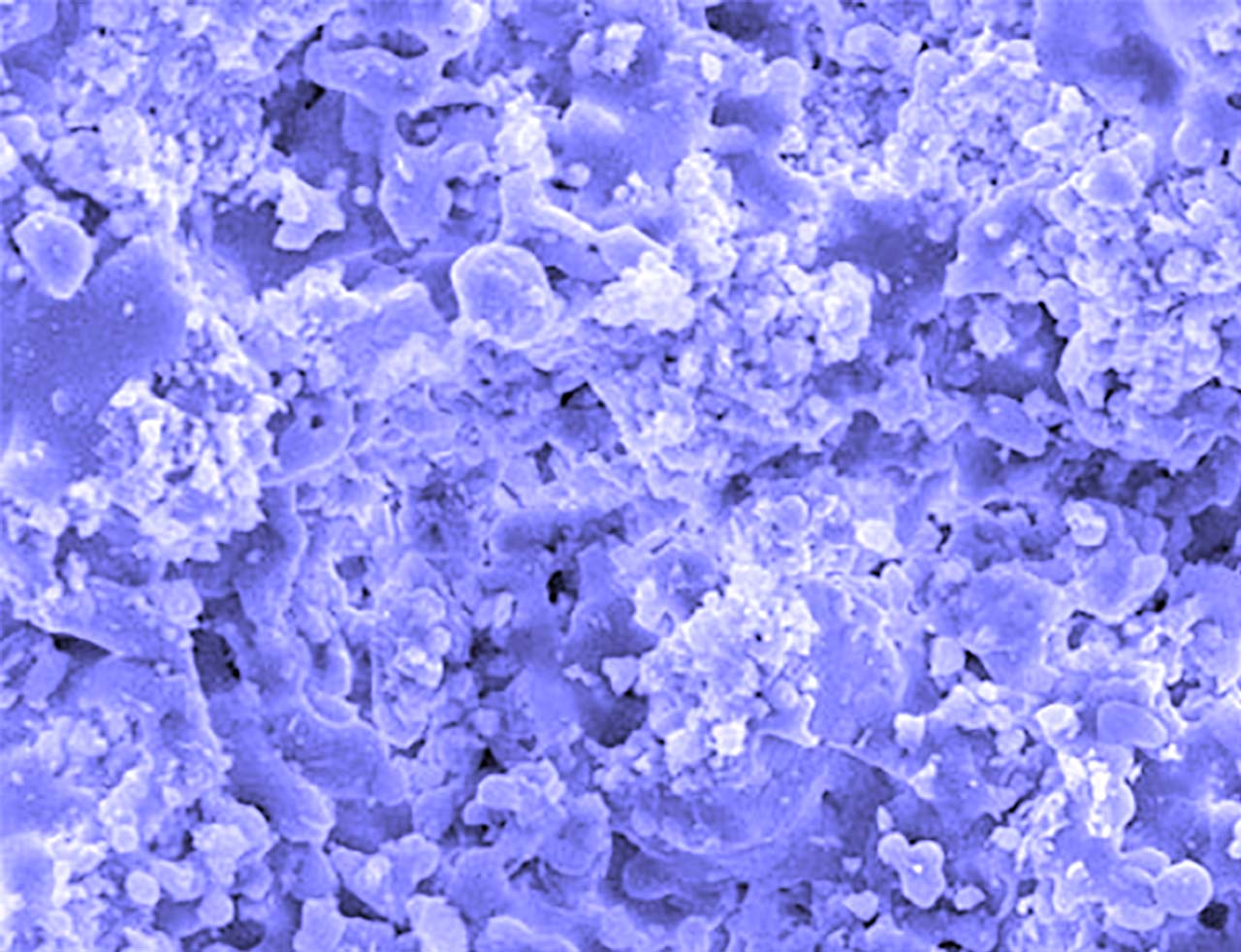
Interstitium, a network of fluid-filled highways, weaves throughout trillions of cells, connecting them and coordinating a balance with intricate precision.

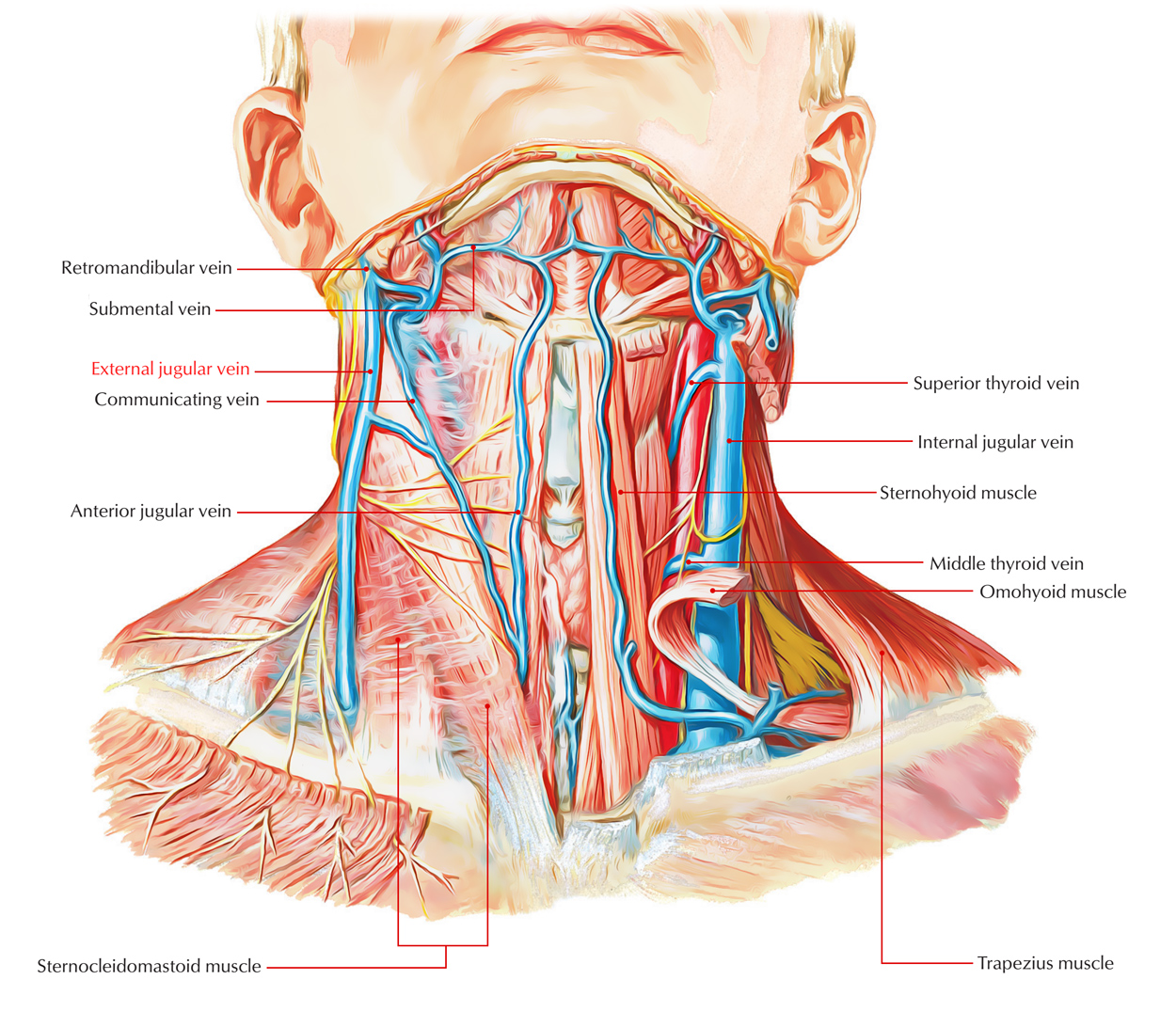
Jugular Vein, a major vessel in your neck, facilitates blood drainage from the brain, managing an impressive flow rate of approximately 1.5 liters per minute.
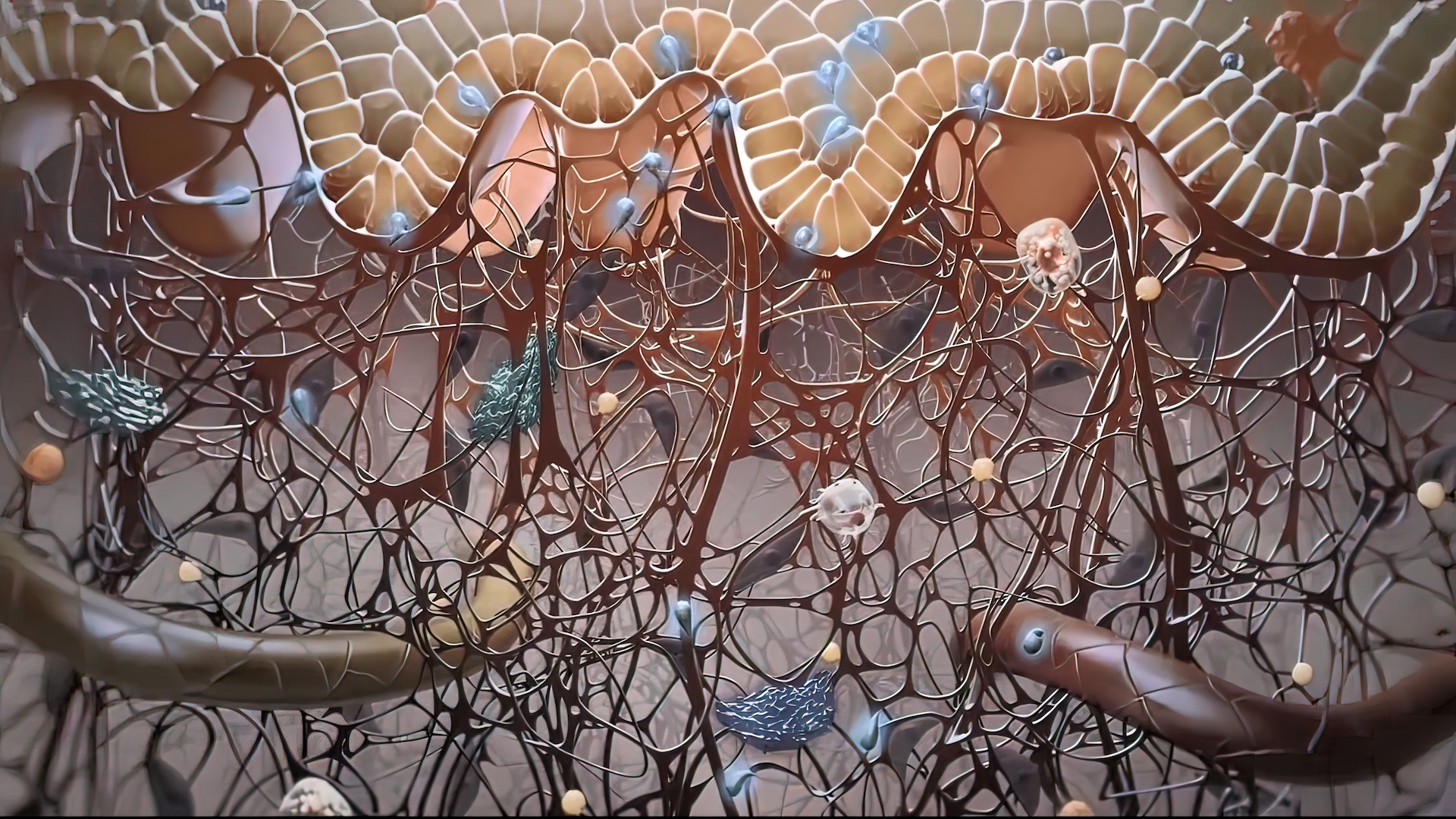
Keratinocytes, forming a robust shield that safeguards your body's largest organ with precision, meticulously produce 1,000 milligrams of keratin daily.
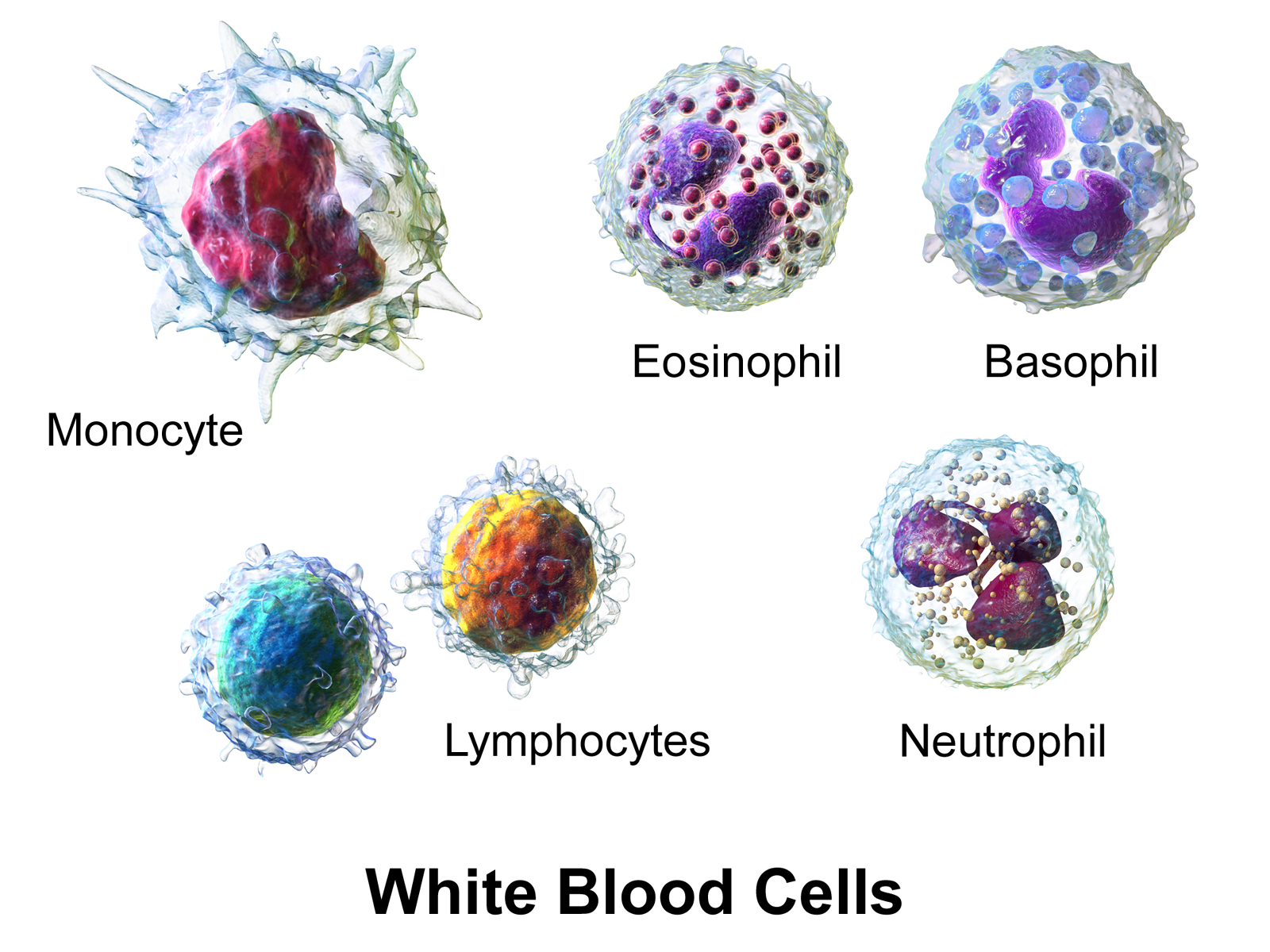
Leukocytes, those vigilant white blood cells and defenders of your body's immunity, number between 5,000 to 10,000 per tiny teaspoon of blood.
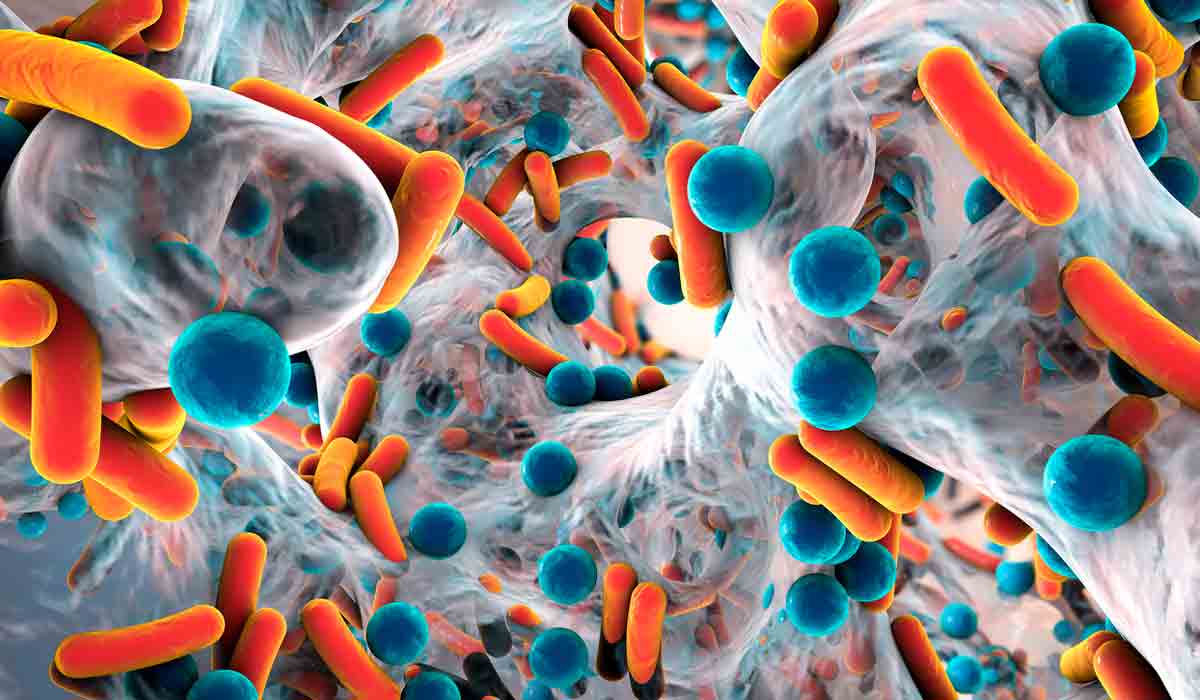
Microbiota, the hustling and bustling ecosystem of microorganisms in your gut, outnumber the cells in your entire body, possibly reaching into the tens of trillions.
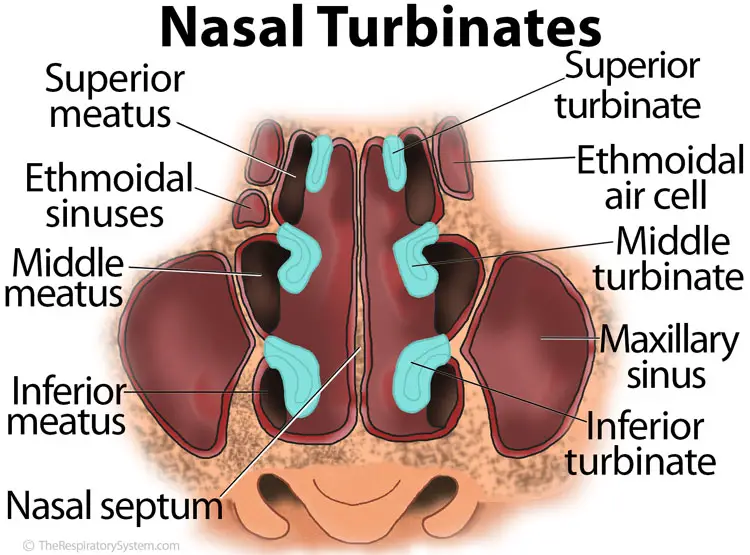
Nasal Conchae (Turbinates), intricate structures within your nose, warm and moisturize the 7,000 liters of air you breathe daily, including the yummy aromas of leftovers.
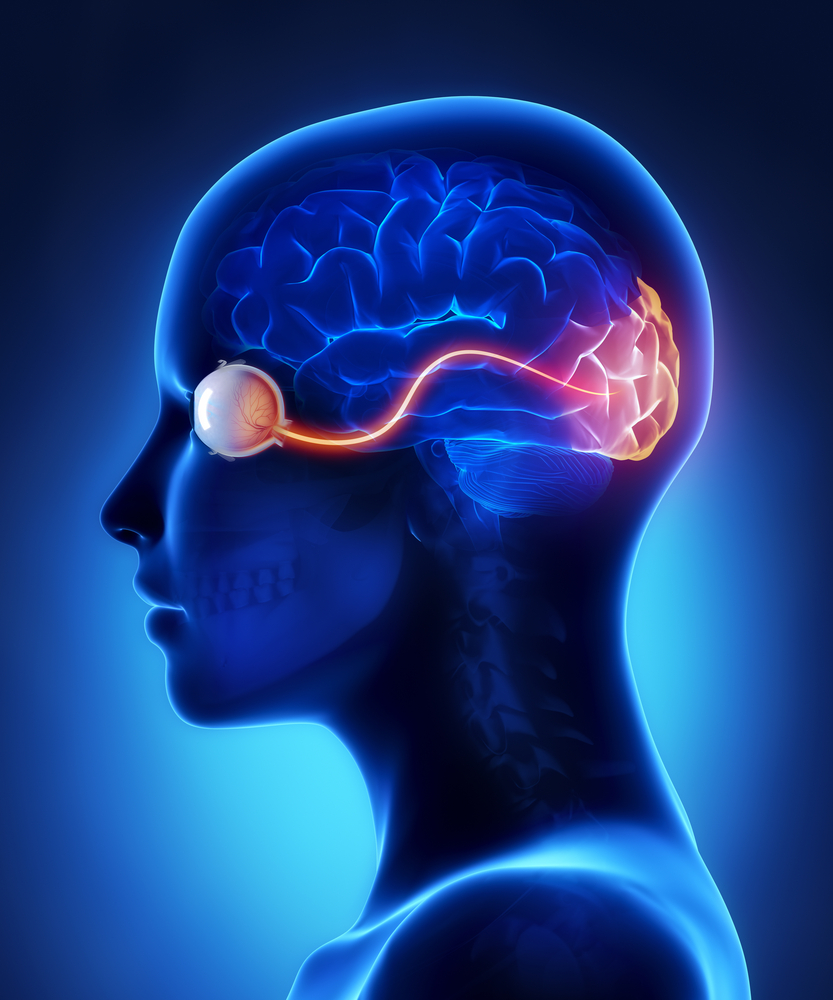
Optic Nerve, 9,000 times faster than high-speed internet, swiftly transmits visual data from your eyes to your brain, processing about 10 GB per second in full HD.
Pancreas, the little engine that could, is a 3-ounce organ producing and secreting 3 liters of digestive juices and insulin daily, all essential for nutrient absorption.

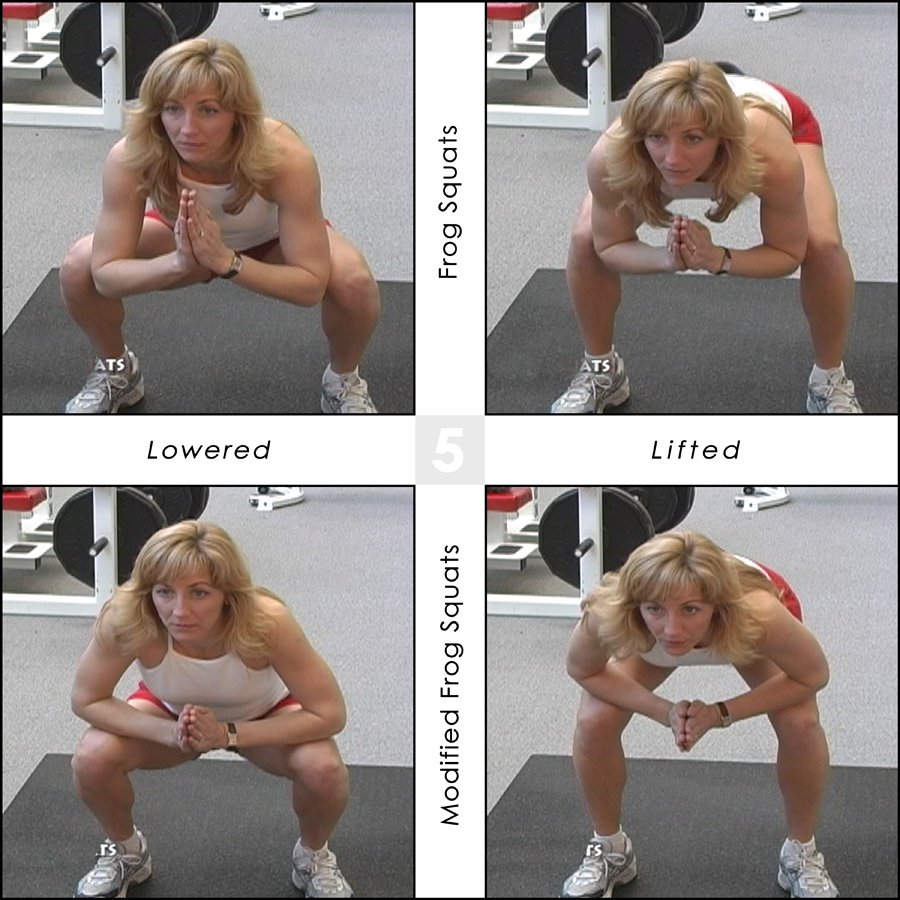
Quadriceps, our largest thigh muscles and akin to the high-endurance dark meat, allowed some turkey, at 53 years old, to perform 25,000 squats in 24 hours.
Reflux, a protective signal for which to be thankful, reminds us to savor the flavor of Thanksgiving in moderation, keeping the 1.5 liters of daily stomach acids at bay.
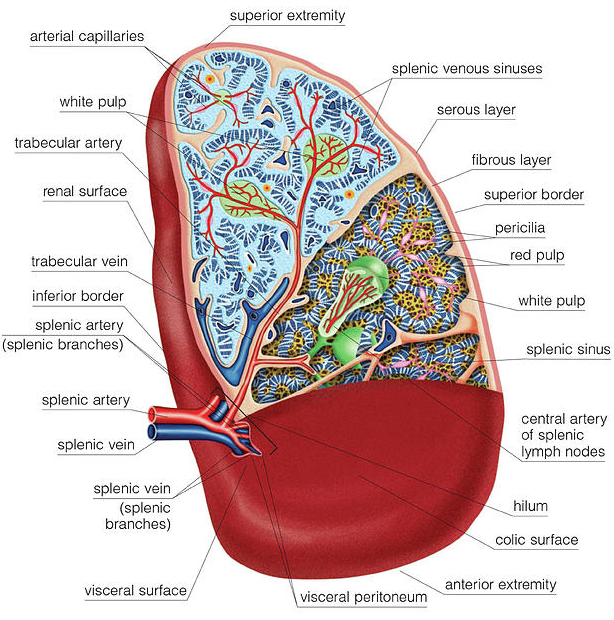
Spleen, a fist-sized organ, filters a remarkable 10 pints of blood per minute, removing old cells and playing a vital role in immunity and blood purification.
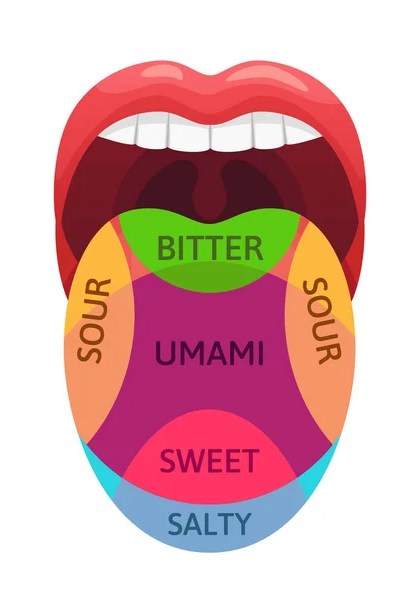
Taste Buds, numbering 10,000, discern sweet, salty, sour, bitter, and also sense the nuanced dimension of umami found in Thanksgiving turkey, duck, and ham.
Uterus, the largest muscle in the body (during pregnancy), nurtures and protects new life with incredible strength as it expands to over 500 times its normal size.

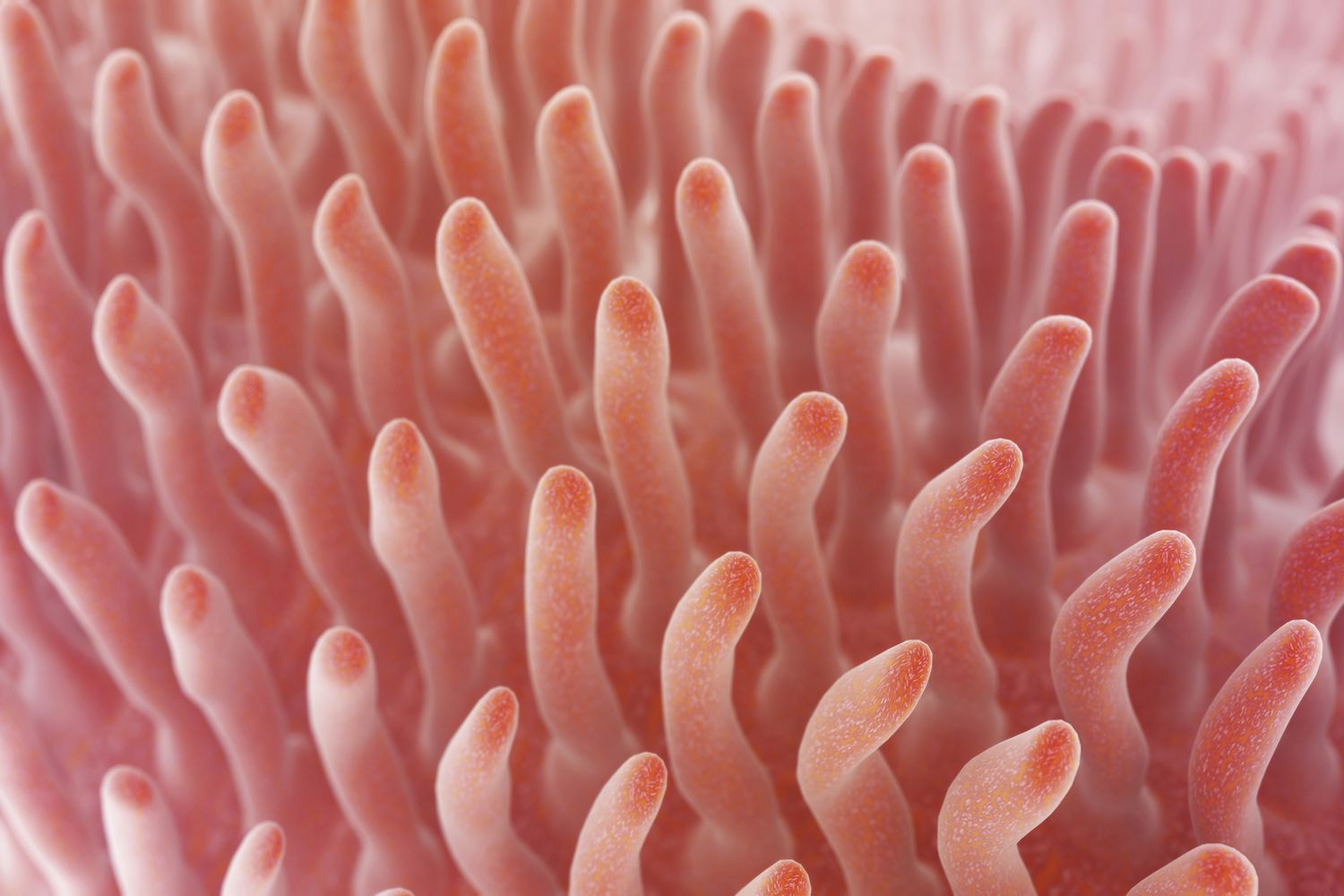
Villi, with 20 million per square meter, densely cover the small intestine, totaling over 5 trillion, creating a tennis-court-sized surface for optimal nutrient absorption.
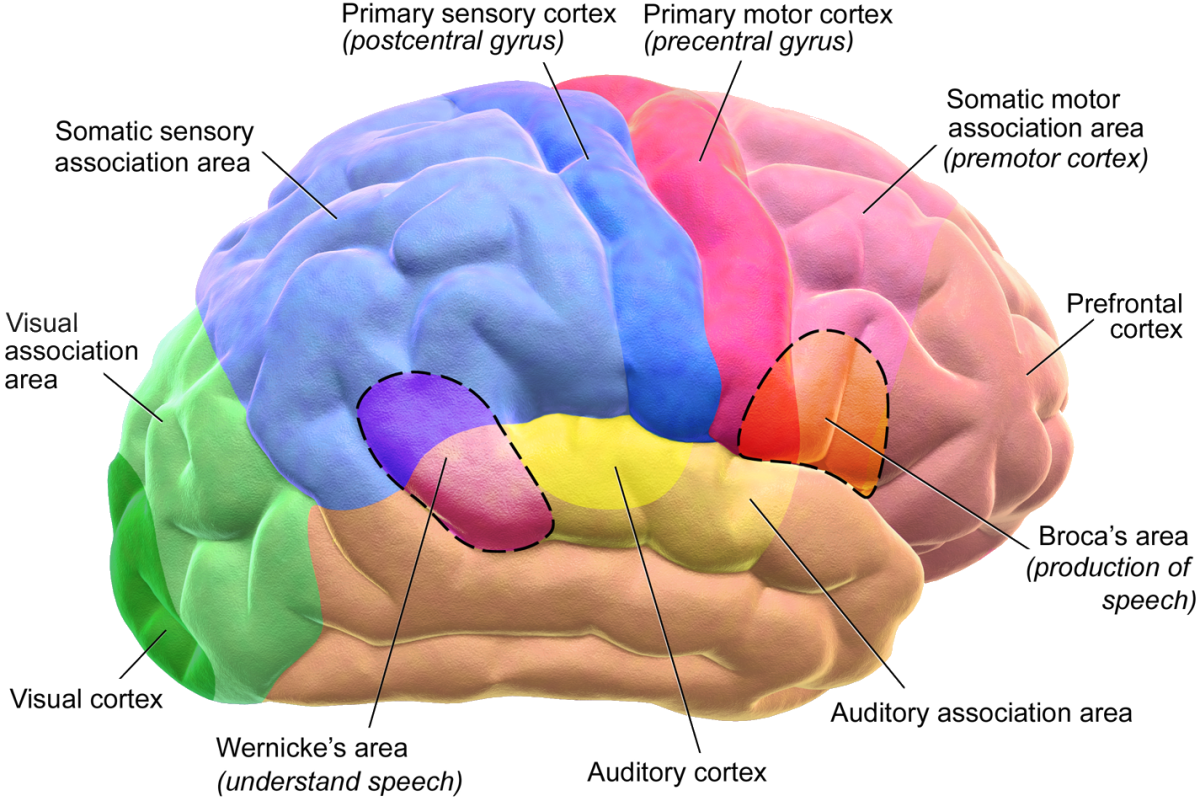
Wernicke's Area, processing tens of thousands of words daily in the brain, enables thanksgivings to be shared with family, coupled with fervent prayers of gratitude.
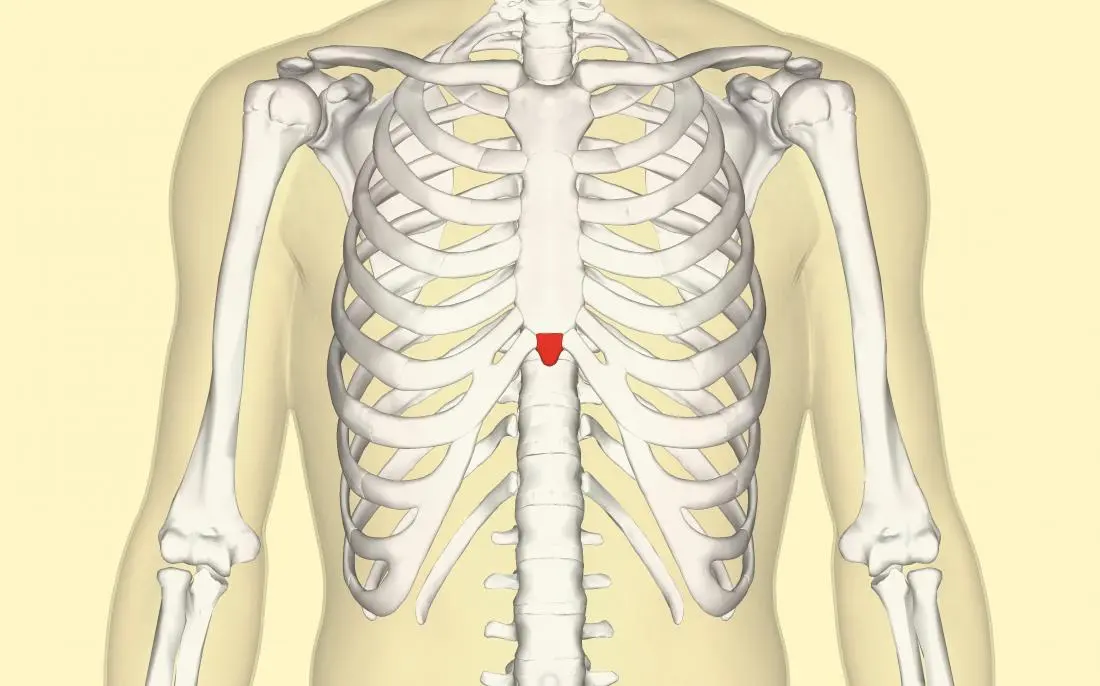
Xiphoid Process, a nimble inch-long muscle origin point below the sternum, flexibly accommodates 20,000 breaths a day, permitting both stamina and strength.
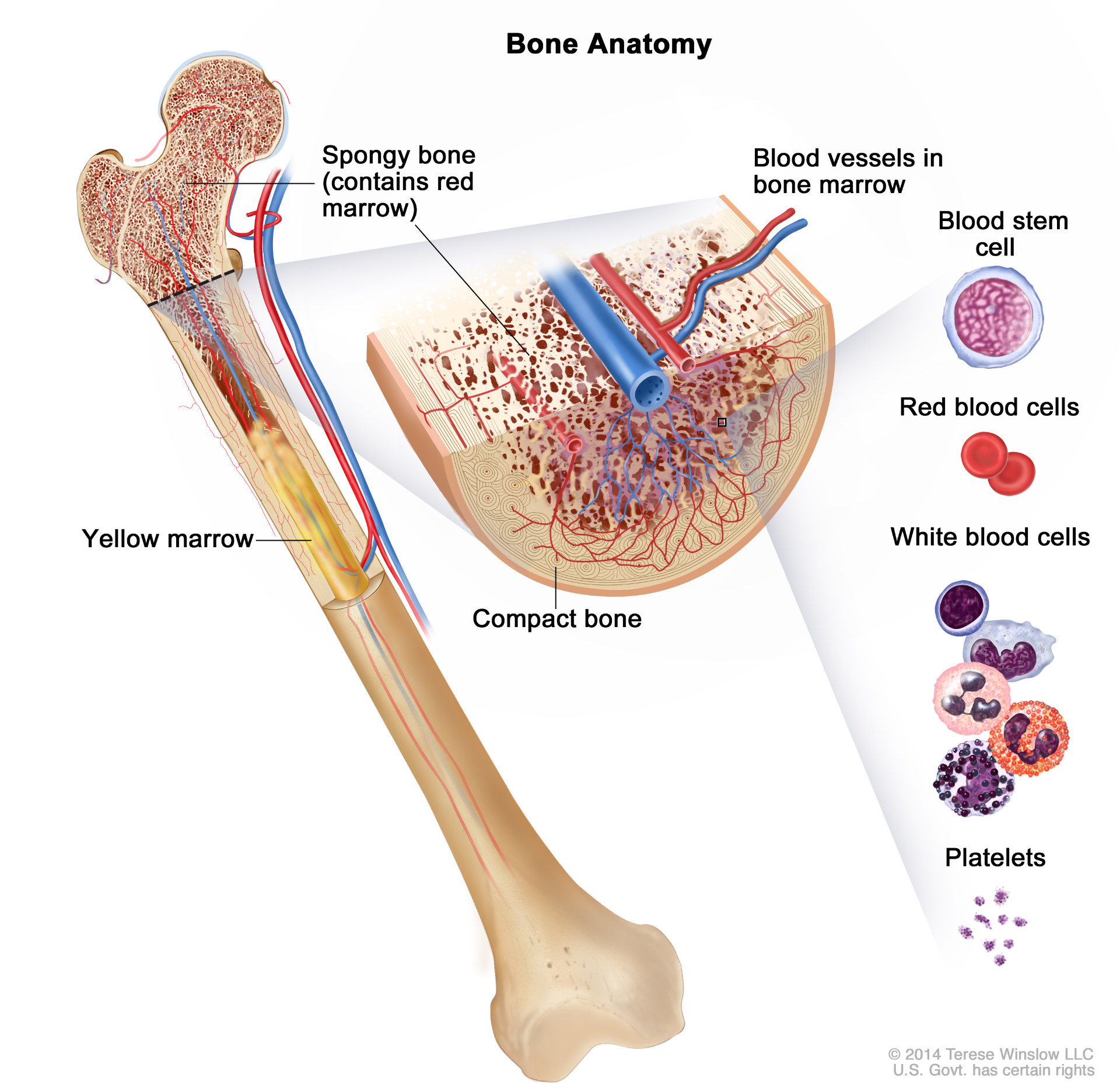
Yellow Marrow, a bone fatty tissue, is responsible for storing crucial minerals and can transform into red marrow, producing over 500 billion blood cells daily.
Zygomaticus Major, the “smile muscle,” hopefully contracts 1000s of times a day, triggering endorphins and releasing joy, happiness, hopefulness, and thanksgiving.

Today, as much as I am thankful for me, I am also thankful for you. I look forward to us talking turkey on my next Super Sunday Sunset Stroll Friends in Fitness “Walk & Talk” on 12/3 at 5:00 pm. Meet us at the parking lot of the Kapaa Swimming Pool, right behind Chicken in a Barrel BBQ on Kou Street. Look for the guy on the scooter with the smiley face hats; that’s me!

Ready to put your gratitude to work? Try SUPER 7 FREE for a Smart-Simple-Speedy-Safe daily starting point: no gym, no equipment, no downloads - just open and go.
In Health & With Hope,
Doug :-)
Practice Mindful Health Appreciation Seniors Can Use Daily
Taking a few moments each morning to acknowledge what your body accomplishes sets a wonderfully positive tone for your physical health. When standing safely near a sturdy kitchen counter, rest your hands lightly on the surface, close your eyes, and feel your feet planted firmly on the floor. Take three slow, deep breaths through your nose, letting your lungs expand and your posture lift tall without strain.
Here are a few gentle ways to incorporate mindful body appreciation into your daily morning routine:
- Stand tall with hands resting on a counter for balance, noticing the steady support beneath your feet.
- Perform gentle, counter-supported heel raises to wake up lower-leg circulation and warm up your calf muscles.
- Take note of three positive physical sensations, such as the rhythmic rise of your chest or warmth in your hands.
- Always maintain a comfortable, upright stance and avoid locking your knees or forcing any joint movement.
By taking time to appreciate your muscles and joints before starting your busy day, you build a healthier relationship with your body. Remember to move smoothly, respect your current limits, and check with your medical provider if you ever experience unusual dizziness or pain.
Strengthening the Healthy Aging Mind Body Connection
Your brain and muscles stay in constant conversation throughout your entire life. Every single time you consciously focus on your posture or foot placement during movement, you strengthen those vital neural pathways—just like the billions of dendritic spines that help keep your balance sharp and reliable. Nurturing this connection is key to maintaining steady footwork on uneven pathways.
Try these safe practices at home this week to keep that connection strong and clear:
- Practice slow, deliberate standing marches while holding firmly onto a solid kitchen counter or heavy table.
- Focus your mind directly on pulling the crown of your head toward the ceiling to lengthen your spine safely.
- Perform controlled sit-to-stand movements from a firm kitchen chair, making sure your knees track smoothly over your toes.
- Breathe continuously during every exercise, never holding your breath when engaging your leg muscles.
Intentional, slow movement allows your nervous system time to coordinate balance and muscle recruitment safely. Never rush through an exercise just to complete repetitions. If a movement feels sharp or unstable, pause, reset your position, or ask a professional for a gentle modification.
Building a Positive Mindset for Senior Fitness
A positive outlook on physical activity isn't about ignoring physical limitations; it is about honoring what your body can accomplish today and building safely from there. Replacing thoughts of what you used to do with gratitude for what you are doing right now calms your nervous system and helps prevent overexertion and injury.
Use these simple actionable tips to build confidence and joy in your daily routine:
- Set small, attainable weekly targets, such as taking a five-minute morning walk or doing gentle shoulder rolls while waiting for tea.
- Keep a simple journal near your bed to write down one physical task your body completed successfully each afternoon.
- Focus strictly on functional, pain-free range of motion rather than pushing for intensity, heavy sweating, or fatigue.
- Celebrate small victories like climbing steps with ease or carrying a light bag of groceries safely into the house.
Approaching your physical fitness with patience and encouragement keeps daily movement rewarding rather than stressful. If you are returning to exercise after an illness or joint flare-up, always consult your physician to establish safe, pain-free guidelines before getting started.
For general background, see NIH PubMed Central: Mindset and Physical Health Outcomes in Aging.
FAQ: Questions I Get Asked Most
How does practicing gratitude impact physical health as I age?
Cultivating **gratitude for aging body health** helps lower stress hormones like cortisol, reduces blood pressure, and improves sleep quality. When you appreciate your body's daily capabilities, you stay motivated to engage in gentle daily movement, maintain your balance, and protect your long-term mobility and personal independence safely.
What is a safe way to start moving if I have joint stiffness?
Start slowly near a sturdy support, such as a solid kitchen countertop. Perform small, smooth movements like gentle ankle pumps, light shoulder rolls, or soft knee bends without forcing any joint. Always stay within a completely pain-free range of motion and stop immediately if you feel sharp discomfort.
How often should older adults practice balance exercises at home?
Practicing simple balance exercises for two to three minutes every day yields wonderful results. You can practice counter-supported heel lifts or gentle standing marches while waiting for water to boil. Consistency, proper balance support, and safety always matter far more than pushing yourself to exhaustion.
Why is the mind-body connection so important for seniors?
Maintaining a strong mind-body connection keeps neural pathways between your brain and muscles active. Consciously focusing on your posture, breathing, and foot position improves stability, reduces fall risks, and makes daily tasks like walking, reaching, and climbing stairs feel significantly lighter, smoother, and safer.

About the Author: Douglas Jones, BS, MA, CSCS
Douglas Jones earned his Master's Degree in Exercise Physiology from the University of Maryland and is a Certified Strength and Conditioning Specialist. As an Exercise Physiologist and Concierge Fitness Professional based in Kaua'i, he has helped thousands of clients in person and millions online build simple, science-based habits for strength, stamina, stretching, and sustenance.
Doug is the founder of the Super 7 System — a complete training system you can do at home in as little as 7 minutes a day.
Watch his free intro and start free at Super7System.com.
Medical disclaimer: This article is educational only and is not medical advice, diagnosis, or treatment. Stop any movement that causes pain, and check with your healthcare provider before starting new exercise or changing your diet.
Seven honest minutes at your own counter. Try Super 7 Free →