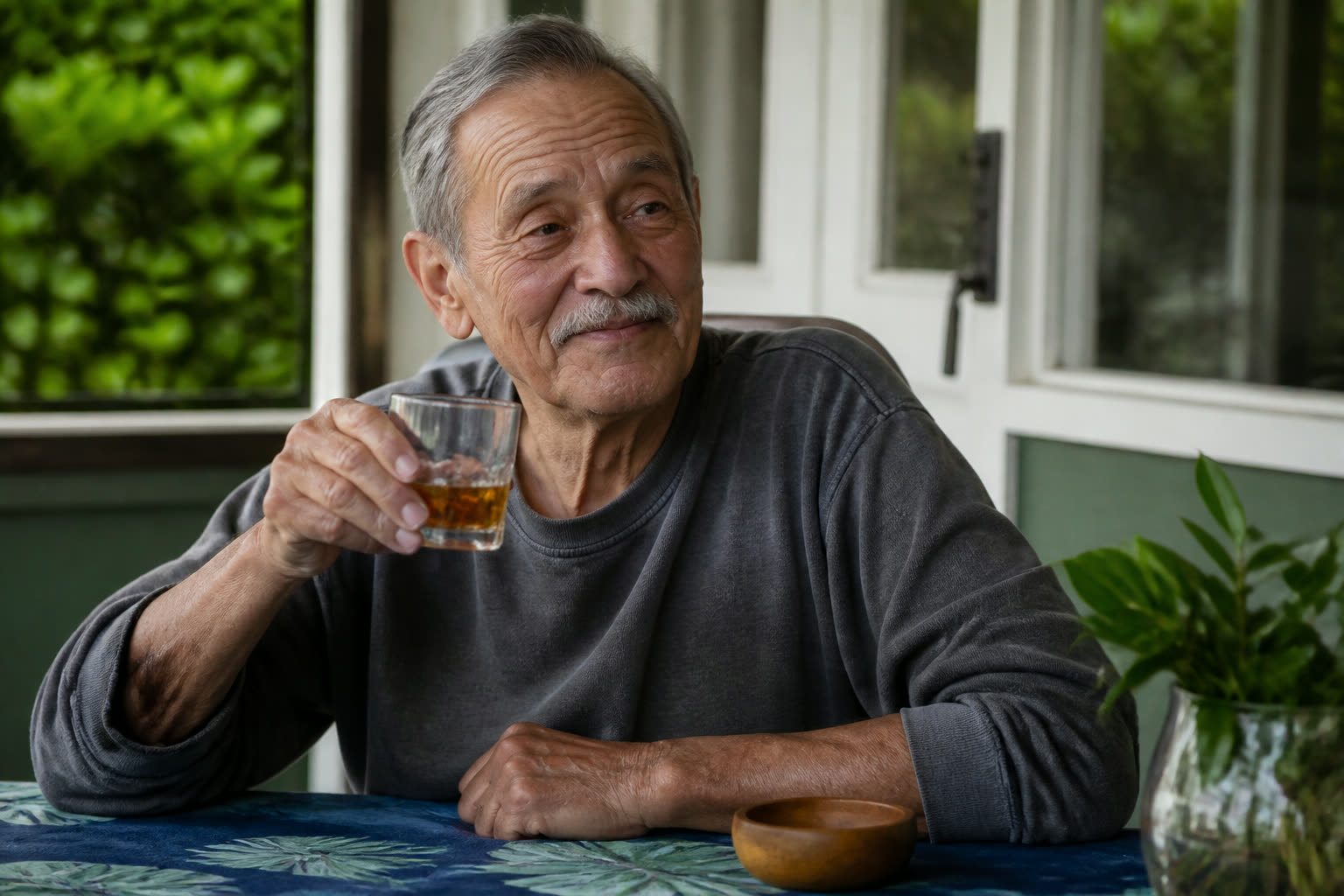
Alcohol Health Risks for Seniors: Doug Jones Fitness Tips
By Doug Jones
Q: What are the primary alcohol health risks for seniors?
A: Understanding alcohol health risks for seniors helps older individuals protect liver function, maintain optimal fat burning capacity, and enjoy greater energy levels daily at home.
What's In This Article
- Doug's original column: DOUG, WHY ARE YOU: A Total Teetotaler???
- Understanding the Effects of Alcohol on Senior Metabolism
- Remarkable Benefits of Quitting Alcohol Older Adults Can Experience
- Simple Healthy Lifestyle Choices for Seniors to Build Vitality
- FAQ: the questions I get asked most
Aloha! Understanding the alcohol health risks for seniors is one of the most vital steps you can take to protect your physical independence, steady balance, and clear thinking as the years add up.
Over here on Kaua'i, folks frequently ask me why I have chosen to live as a complete teetotaler my entire life. While I never preach, scold, or judge anyone's personal journey, looking at the raw physiological impacts makes a very clear case for staying dry as we age.
Below, you will find my original column sharing my perspective on alcohol, fat metabolism, and brain health. Take a moment to read it through, and let's explore how avoiding alcohol can keep your energy high, your joints safe, and your mind sharp every single day.
Start free at Super7System.com, or take the free fitness sampler and see the full program details.
Original Column: DOUG, WHY ARE YOU: A Total Teetotaler???
The question in the headline? This must be serious!
A “teetotaler” is someone who refuses to imbibe any alcohol-containing liquids, whatsoever. Yes, this describes me to a T, as I have never had any alcohol, and never will.
I’ve often been asked about my enthusiastic abstinence… but have never penned my perspective. Although 38% of American adults identify as teetotalers, I always feel like an oddity or, at least, a rarity.
Going against the flow, literally, has been my position forever, even back in my college days. I’ve avoided parties and bars, not wanting to be around an atmosphere fueled by something associated with poor decisions, damaged relationships, and diminished health. Observing the masses and doing the opposite has often been my mantra.
Please realize that I’m sharing… not scolding. I’m positing… not preaching. As much as I DO want to challenge you to avoid alcohol completely, I need to first challenge myself to consider why I’ve never had a single drop… and never will.
While there are myriad mental, social, familial, vocational, cultural, spiritual, financial, emotional, and relational ramifications associated with the consumption of alcohol, I’m certainly no psychological professional. Instead, let me focus on the physiological.
1. Blocks Fat Burning...
Let’s cut straight to the skinny: Alcohol halts fat oxidation. Your liver prioritizes metabolizing alcohol before anything else. Studies show that even one drink can reduce fat metabolism by over 70% for several hours. That’s a significant blow to your metabolism. When you ingest that “healthy” glass of wine before bed, your body changes gears. Your brain may not feel intoxication, but your body responds with hibernation.
2. Good for Nothing...
Alcohol creates a dietary black hole, delivering over 7 dense calories per gram, similar to fat, with zero redeeming nutritional value. Unlike healthy whole foods, alcohol offers nothing beneficial (fiber, vitamins, minerals), just 100% empty calories. A little bit of a bad thing doesn’t make it a good thing…. and that’s a very bad thing!
3. Depletes Essential Nutrients...
In addition to no nutrients, alcohol results in fewer nutrients, depleting your body of thiamine, folate, B6, B12, magnesium, zinc, and potassium… resulting in fatigue and weakness, depression and anxiety, compromised immunity and poor mood regulation, impaired cognitive function, and issues with the skin, hair, heart, and bones, for starters. Drinking alcohol is costly, on all accounts, liquidating your reserves, draining your assets, and taxing and potentially bankrupting your health.
4. Refutations for Justifications...
People crave a last call, but there are even more reasons to make every minute a happier hour. “A night cap helps me sleep.” Nope! Alcohol disrupts REM cycles, fragments your slumber, and leaves you mourning the morning. “Drinking helps me relax.” Nope! Alcohol is a depressant, compounding cortisol and amplifying anxiety. “Red wine has antioxidants.” Not really! You'd have to have drunk liters (pun intended) to get the polyphenols in a handful of berries or a cup of green “tee-totaler” tea.
5. Brain Damage...
Chronic alcohol consumption impairs cognitive function, causes brain shrinkage, and reduces gray matter… critical for memory, decision-making, and reasoning. Even moderate drinking can kill over 10,000 brain cells per drink and decrease brain volume over time. Alcohol consumption also increases the risk of both Alzheimer’s and dementia. Why do anything that could make you regrettably lose your inhibitions tonight or your identity tomorrow… not to mention your fondest memories from today.
6. What’s Your Poison?
Alcohol is a major toxin. As your liver works overtime to detoxify alcohol, your organs are less able to metabolize nutrients, break down fat, and process contaminants. So, why does society normalize drinking? Relaxation? Socialization? Celebration? Taste? These are not valid reasons, my friend. They are excuses. Ask yourself this: would avoiding alcohol entirely make you a better friend, partner, or parent… because your brain and body won’t be impaired in the short term, or over the long haul?
7. Water Into Wine...
In closing, this is a point to ponder. Did you know that the Greek word “oinos” means both wine and grape juice, and that there are many compelling reasons to believe that the miracle served at the Cana wedding was unfermented grape juice drink. To launch a ministry, serving only the best wholesome and healthy beverage seems most apropos, rather than a drink which could have very well caused a brother to stumble, quite literally. I’m no expert, but I’ve listened to many, and they certainly make a strong case for drinking the “oinos” of the non-alcoholic variety.
Thinking beats drinking!
Ready to put your healthy habits to work? Try SUPER 7 FREE for a Smart-Simple-Speedy-Safe daily starting point: no gym, no equipment, no downloads - just open and go.
In Health & With Hope,
Doug :-)
Understanding the Effects of Alcohol on Senior Metabolism
As we cross into our sixties, seventies, and beyond, our metabolic rate naturally slows down a bit. When you toss alcohol into that mix, your liver immediately stops what it is doing to break down the booze first. This shift completely halts fat oxidation and can drop fat metabolism by over seventy percent for hours at a time.
The effects of alcohol on senior metabolism go far beyond simple weight management. Because your liver prioritizes clearing toxins, essential nutrients like magnesium, potassium, and vital B vitamins get flushed out instead of absorbed. This leaves your muscles under-fueled and your body feeling exhausted the next morning.
To keep your metabolic engine running smoothly this week, try swapping out evening drinks for a glass of ice-cold sparkling water infused with fresh lemon or lime. If you ever feel lightheaded when making lifestyle shifts, always perform your morning movements while holding onto a sturdy kitchen countertop or heavy chair back for safety. Always check in with your doctor if you take daily medications, as alcohol can alter how your body processes your prescriptions.
Remarkable Benefits of Quitting Alcohol Older Adults Can Experience
Choosing to eliminate booze opens the door to incredible physical rewards, no matter your age. The primary benefits of quitting alcohol older adults notice almost immediately include deeper, uninterrupted sleep and significantly improved physical balance. When you cut out alcohol, your body stays in restorative REM sleep much longer, allowing your muscles to repair and your brain to clear out metabolic waste overnight.
Within just a few weeks of avoiding alcohol, many seniors report clearer thinking, brighter moods, and steady daytime stamina. Your nervous system functions with greater precision, which means better coordination when walking, climbing stairs, or standing up from a seated position.
Here is a safe challenge for this week: step away from all alcoholic beverages for seven full days. Pay close attention to how your body feels when your feet hit the floor each morning. Remember to maintain safe movement habits—never rush when standing up, keep your walking path clear of tripping hazards, and reach out to a trusted healthcare provider if you have any questions about adjusting long-standing habits.
Simple Healthy Lifestyle Choices for Seniors to Build Vitality
Replacing alcohol with nourishing habits is one of the most empowering decisions you can make for your longevity. Embracing healthy lifestyle choices for seniors begins with simple, daily actions that support your heart, brain, and joint stability without causing stress or unnecessary fatigue.
Instead of reaching for a glass of wine to unwind in the evening, build a relaxing ritual around wholesome alternatives:
- Brew a warm mug of green or chamomile tea loaded with natural antioxidants.
- Enjoy a handful of fresh blueberries or dark grapes for natural sweetness and cell-protecting polyphenols.
- Perform gentle, counter-supported leg stretches to ease muscle tension before bed.
- Drink a full glass of plain water upon waking to hydrate your organs instantly.
Always prioritize safety when trying new routines. Exercise near a solid support structure like a heavy kitchen table or sturdy wall, move with smooth control, and never force a movement that creates sharp pain. Small, consistent steps will keep you moving strong for years to come.
For general background, see NIA Facts About Aging and Alcohol.
FAQ: Questions I Get Asked Most
What are the main alcohol health risks for seniors?
The major alcohol health risks for seniors include accelerated brain cell loss, severe nutrient depletion, broken sleep, and impaired physical balance. As we age, our bodies process alcohol much slower, which drastically increases the risk of dangerous falls, memory loss, and negative interactions with daily prescription medications.
How does drinking affect balance and fall risk in older adults?
Alcohol alters inner ear fluid and slows down nerve communication between your brain and legs. In older adults, this significantly delays reaction times and compromises stability. Steering clear of booze keeps your nervous system sharp, making simple daily movements—like standing up or walking down steps—much safer and far less risky.
Can cutting out alcohol improve sleep quality after age 60?
Yes, dramatically. While alcohol might cause initial drowsiness, it severely disrupts deep REM sleep and causes frequent middle-of-the-night awakenings. Quitting alcohol allows your brain to experience full, uninterrupted rest cycles, leaving you feeling genuinely restored, mentally sharp, and energized when you wake up each morning.
What are healthy non-alcoholic alternatives to help relax in the evening?
Herbal teas such as chamomile, peppermint, or green tea are wonderful options that deliver soothing warmth and healthy antioxidants. You can also enjoy chilled sparkling water with a squeeze of fresh lemon, lime, or crushed berries to create a refreshing evening ritual that nourishes your body without any toxic side effects.

About the Author: Douglas Jones, BS, MA, CSCS
Douglas Jones earned his Master's Degree in Exercise Physiology from the University of Maryland and is a Certified Strength and Conditioning Specialist. As an Exercise Physiologist and Concierge Fitness Professional based in Kaua'i, he has helped thousands of clients in person and millions online build simple, science-based habits for strength, stamina, stretching, and sustenance.
Doug is the founder of the Super 7 System — a complete training system you can do at home in as little as 7 minutes a day.
Watch his free intro and start free at Super7System.com.
Medical disclaimer: This article is educational only and is not medical advice, diagnosis, or treatment. Stop any movement that causes pain, and check with your healthcare provider before starting new exercise or changing your diet.
Seven honest minutes at your own counter. Try Super 7 Free →