
Benefits of Quitting Smoking After 60: Senior Health Guide
By Doug Jones
Q: Is it still beneficial to quit smoking after age 60?
A: Yes, quitting smoking at any age immediately improves circulation, increases lung function, lowers heart disease risks, and enhances stamina for everyday activities.
What's In This Article
- Doug's original column: SMOKING SUCKS
- Practical Strategies for Smoking Cessation for Seniors
- Understanding Lung Health Recovery After 60
- Protecting Cardiovascular Health in Older Adults
- FAQ: the questions I get asked most
Discovering the benefits of quitting smoking after 60 is one of the most powerful choices you can make for your health and daily independence. Out here on Kaua'i, riding my bike along the coastal path in Kapa'a, I love seeing folks enjoying the clean ocean air, and it reminds me how precious every single breath really is.
You might wonder if putting down the cigarettes, cigars, or vapes after decades actually makes a difference at this stage of life. As an exercise physiologist, I can tell you the answer is a resounding yes. Your body possesses a remarkable ability to heal and adapt, no matter how many years have passed.
Below is my original column on why keeping your lungs clean matters so much for your heart, your stamina, and your quality of life. Read through, take a deep breath, and let's look at practical steps you can take today.
Start free at Super7System.com, or take the free fitness sampler and see the full program details.
Original Column: SMOKING SUCKS
SMOKING SUCKS
Your #1 Health Hack — Quit While You're Ahead!
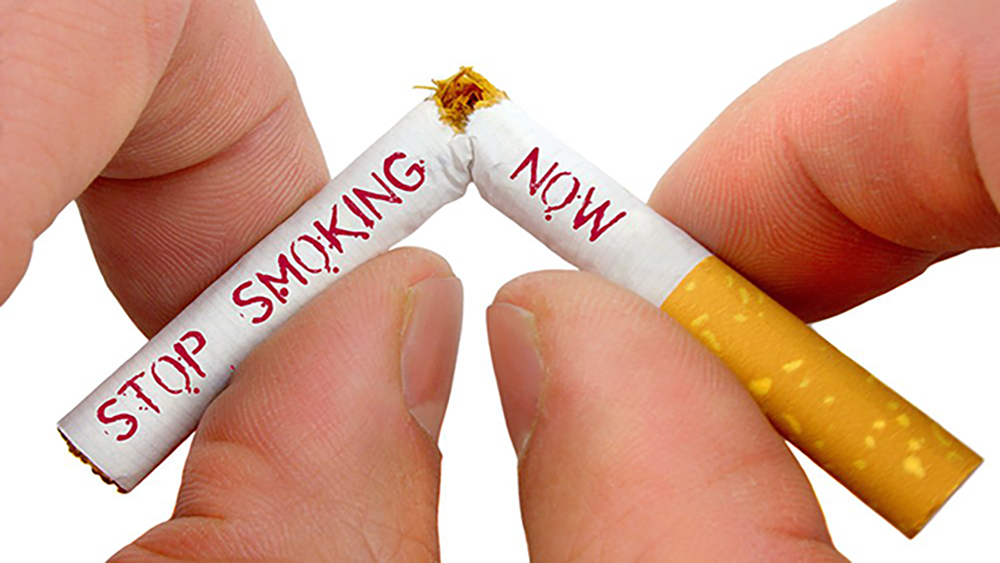
I asked myself a question this week, as I was working my heart out biking the oceanfront path in Kapa`a. Every time that I passed an onlooker huffing and puffing billows of smoke clouds into my path, it made me ask myself why I have yet to write about this single most important topic. The #1 choice that you can make to improve your level of health and fitness, both immediately and forever, is to never, ever smoke… anything!
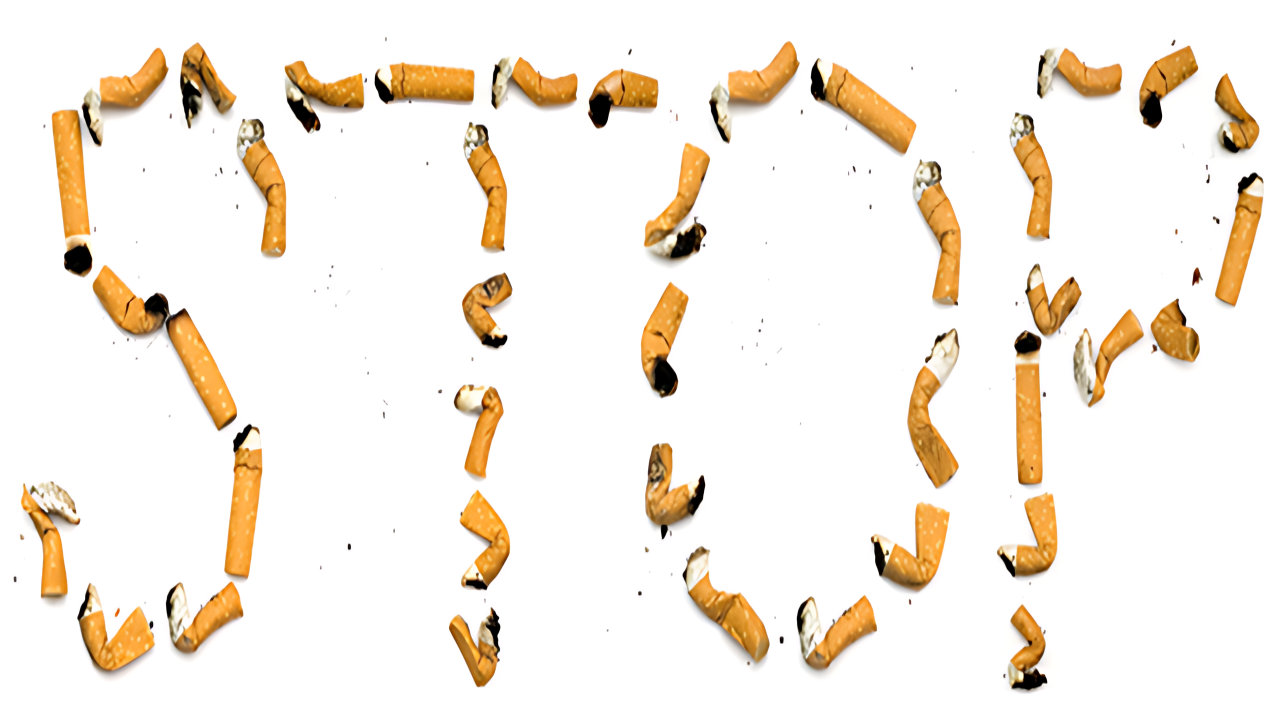
A Breath of Fresh Air: Smoking and vaping are not cool; they’re deadly. These habits are linked to life-threatening health issues, turning any illusion of coolness into a distant memory. Envision a life where you don’t reach for that cigarette or device. Picture a world where your lungs inhale fresh, clean air, allowing your body to thrive without the constant onslaught of poisonous chemicals. After all, a little bit of a bad thing isn’t a good thing.
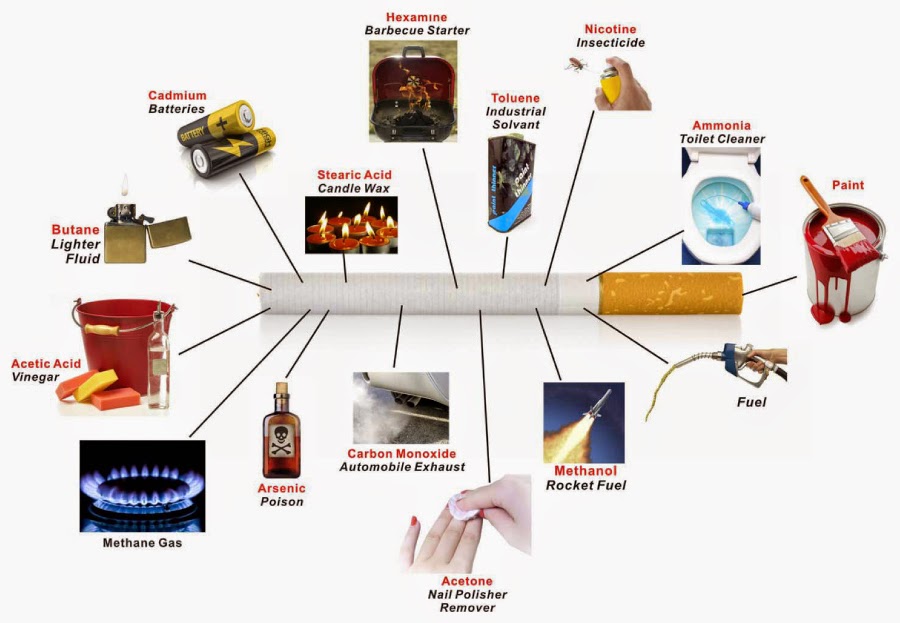
Reaping the Grim Reality: Smoking and vaping expose you to toxic chemical cocktails, including formaldehyde, arsenic, lead, and more. These substances are your constant companions, increasing risk of diseases like lung cancer, heart disease, and respiratory issues. Smoking marijuana, often seen as a safer alternative, is not without its own set of health hazards. Inhaling any combusted plant material, even for medicinal purposes, releases harmful compounds into your lungs, including tar and carcinogens.
Nicotine Nightmare: Found in both smoking and vaping, nicotine is intensely addictive, manipulating your brain’s reward system, making quitting an uphill battle. This addictive substance increases heart rate, constricts blood vessels, and releases adrenaline, leading to higher blood pressure. The result? Increased stress on your heart and an elevated risk of heart disease. So, while it might seem like a temporary stress-reliever, it’s anything but that.
Circulo-Respiratory Stress: Smoking and vaping can put you in the front row, setting the stage for lung cancer and heart disease. Inhaling hot debris and chemicals, whether from tobacco or marijuana, wreaks havoc on your respiratory and cardiovascular systems, potentially leading to lung irritation, cancer, and chronic obstructive pulmonary disease (COPD).
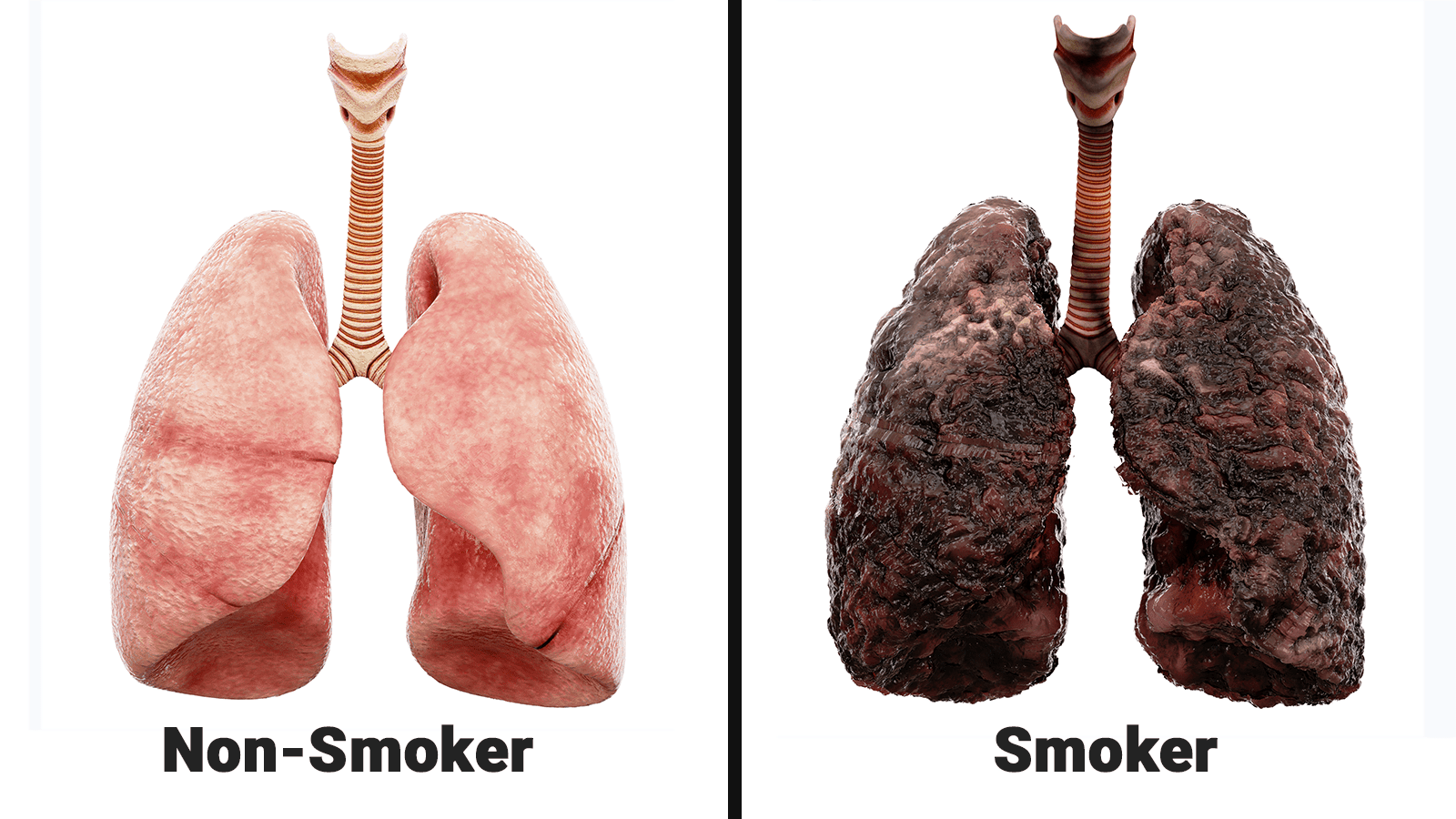
Silent, but Deadly: Even a small amount of secondhand smoke is dangerous, especially for children and non-smokers. Additionally, thirdhand smoke embeds pollutants in furniture and clothing long after the smoke “clears” the room. Notably, the American College of Sports Medicine categorizes exercisers as smokers even if they are “only” exposed to secondhand smoke or have quit smoking within the previous six months. What you can’t see can hurt you.
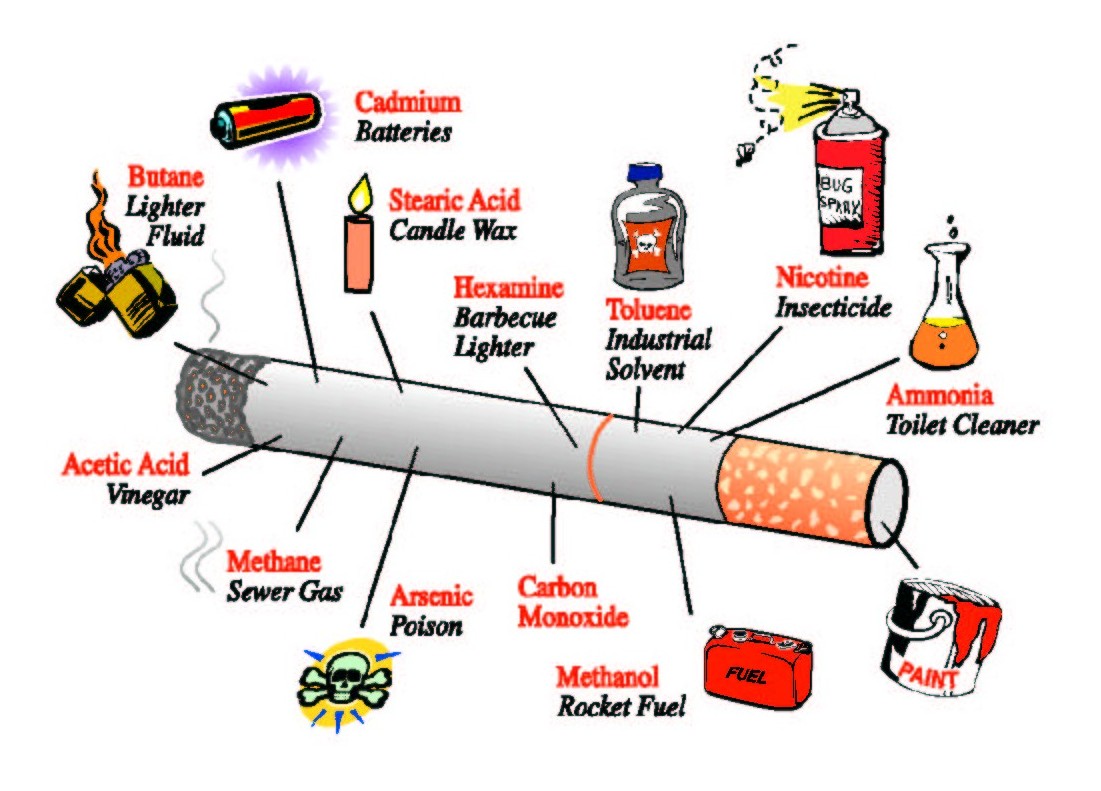
Young Lungs: Smoking and vaping set a dangerous example for young people. By quitting, you save them from the horrors of addiction and the deadly consequences of these habits. Adolescents are impressionable, and they will follow your lead of a healthier, happier, smoke-free life. Over a lifespan, our lungs are exposed to hundreds of millions of liters of non-sterile air while maintaining their function and integrity. Don’t blow it; don’t inhale!
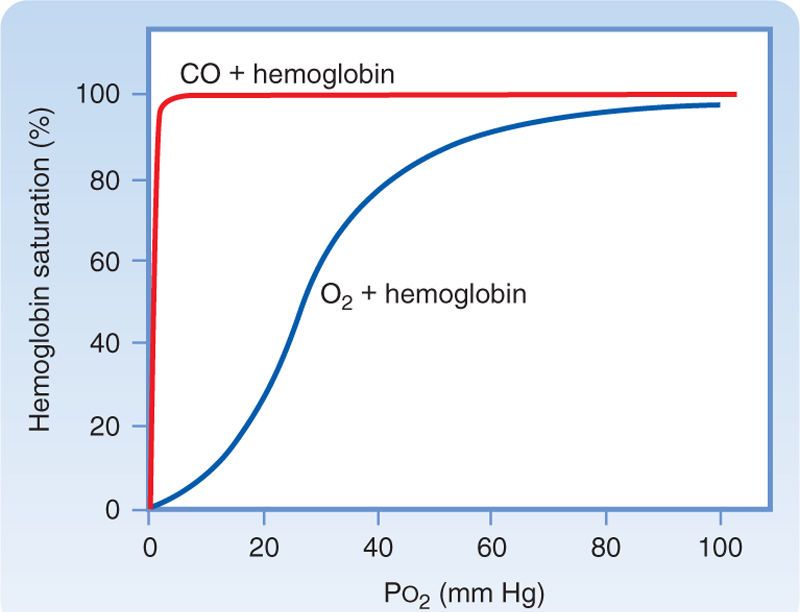
The Battle for Blood: Carbon monoxide, found in smoke, binds to the hemoglobin in your blood with an affinity 240 times stronger than that of oxygen. This deprives all of your body’s tissues of oxygen, impairing performance and stifling life. Smoking before, after, and definitely during intense exercise is a heart attack waiting to happen. Keep your machine clean!
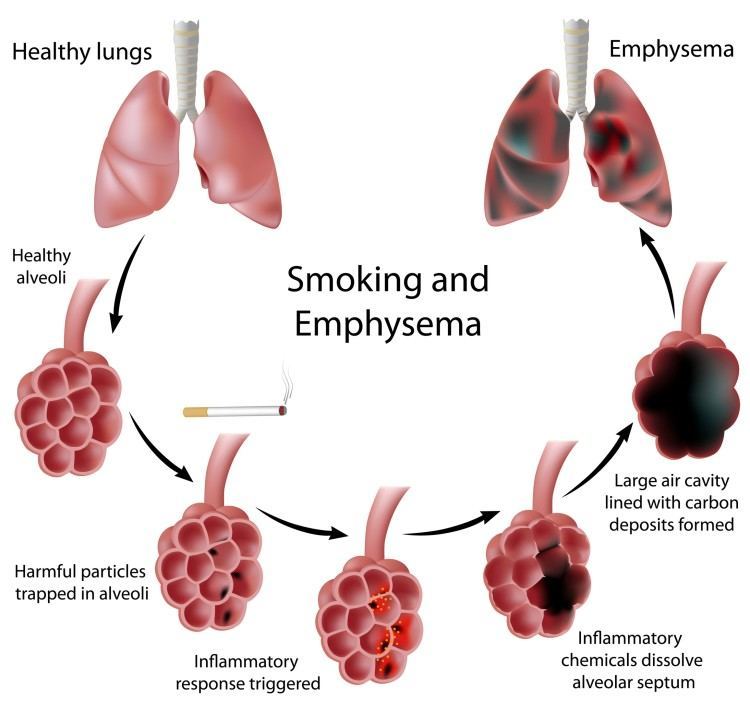
Precious and Priceless: We each have two eyes and, while they are invaluable, we can live without them, if necessary. However, our two lungs are irreplaceable and priceless. These vital organs contain a half-billion delicate alveolar air sacs responsible for exchanging gases between the air and our blood. Would you trade a half-billion dollars for a final breath? Don’t bet your life on it. Instead, step outside and breathe in the nurturing nature of The Garden Island.
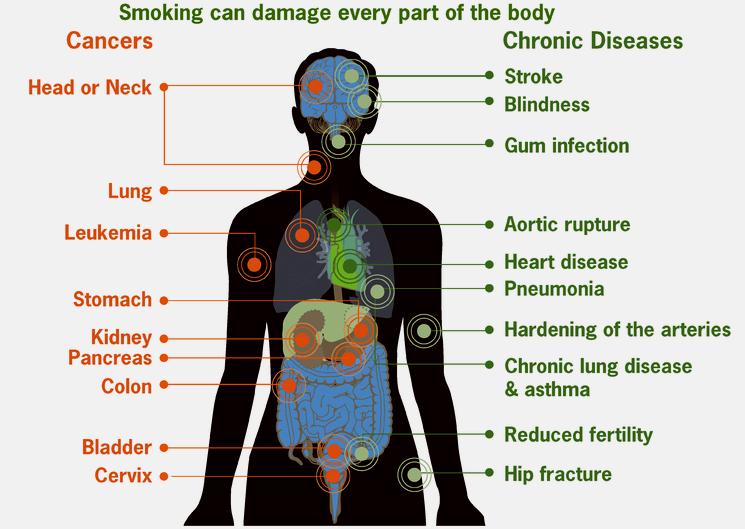
Hope for Health and Healing: If you inhale anything, it’s time to confront the facts. The chilling reality is that even once-a-month smoking is enough to label you a smoker. The true power of a smoke-free life lies in the ability to live fully, breathe deeply, and savor every moment of vibrant health while relishing the fresh Kauaian air and the freedom to enjoy life to the fullest. Quitting today offers immediate improvements in circulation, oxygen saturation, and heart health. In the short and long term, it also substantially reduces the risk of heart attack, stroke, and various cancers.
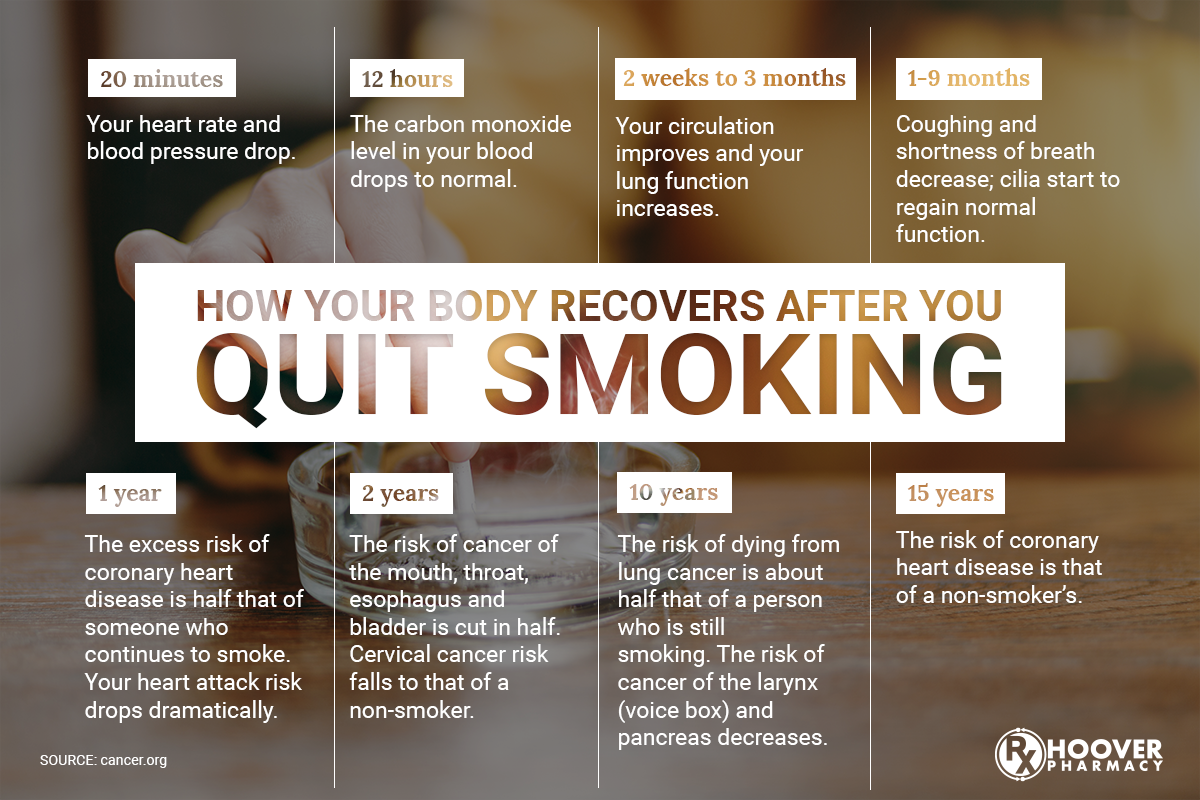
Your body is fearfully and wonderfully made… and it’s miraculously resilient. Be good to it!
Ready to put your lung health to work? Try SUPER 7 FREE for a Smart-Simple-Speedy-Safe daily starting point: no gym, no equipment, no downloads - just open and go.
In Health & With Hope,
Doug :-)
Practical Strategies for Smoking Cessation for Seniors
Setting aside a habit you may have carried for decades takes a clear, compassionate plan rather than sheer willpower alone. When approaching smoking cessation for seniors, the key is replacing the physical ritual with positive movement, hydration, and deep breathing. Whenever an urge strikes, try stepping outside or standing near a sturdy kitchen counter for balance while taking five deep, slow breaths.
Here are three safe, practical steps to help manage cravings this week:
- Consult your doctor or health provider about safe nicotine replacement therapy or non-nicotine medications tailored for mature adults.
- Identify your personal trigger times—such as right after meals—and substitute a short, easy walk or gentle counter-supported calf stretches.
- Keep your hands and mind busy with a tall glass of fresh water, a soft squeeze ball, or a hot cup of herbal tea.
Always keep safety top of mind. If you ever feel lightheaded during deep breathing exercises, sit down immediately in a comfortable, supportive chair until you feel completely steady. Celebrate every smoke-free day as a win for your long-term vitality.
Understanding Lung Health Recovery After 60
A common myth is that lung damage is completely fixed in place once you reach your sixties or seventies. The truth is that lung health recovery after 60 begins surprisingly fast as soon as you stop inhaling toxic smoke or vapor. Within weeks, the microscopic cilia in your airways begin clearing out trapped debris, easing chronic coughing and shortness of breath.
To support your respiratory system naturally as your body heals, try incorporating these gentle daily practices:
- Practice belly breathing: Sit upright, place one hand on your stomach, inhale slowly through your nose while letting your belly expand, and exhale softly through pursed lips.
- Engage in light daily movement, such as walking on level ground with a partner or keeping near a railing for support.
- Drink plenty of water throughout the day to help thin airway secretions, making breathing feel smoother and lighter.
Be patient with your body during this recovery window. If you experience chest pain, severe shortness of breath, or persistent dizziness, pause your activity and check in with your physician right away.
Protecting Cardiovascular Health in Older Adults
Your heart and blood vessels respond with gratitude the moment carbon monoxide and nicotine leave your system. Supporting cardiovascular health in older adults begins by eliminating compounds that constrict blood vessels and force the heart to pump harder. Within 24 hours of quitting, your risk for an acute cardiac event already begins to drop.
As oxygen saturation in your blood improves, you will likely notice more steady stamina for your daily routine. Here is how to build that stamina safely:
- Start with brief 5 to 10-minute walks on flat, stable surfaces twice a day, taking rest breaks whenever necessary.
- Perform gentle heel raises while holding onto a sink or sturdy counter to encourage healthy blood flow back to your heart.
- Listen to your body's feedback and maintain a comfortable pace where you can easily speak a full sentence without gasping.
Never try to push through joint pain or excessive tightness in your chest. Rebuilding your cardiovascular foundation is a gradual, rewarding journey that benefits from slow, consistent effort every day.
For general background, see Smokefree.gov quit resources.
FAQ: Questions I Get Asked Most
Is it really worth quitting smoking if I am over 60?
Yes, absolutely. The benefits of quitting smoking after 60 begin almost immediately, including improved blood oxygen levels, lower blood pressure, and reduced heart attack risk within days. Quitting at any age restores stamina, helps prevent stroke, and protects your independence so you can stay active.
How quickly do lungs heal after quitting smoking in older age?
Your airways begin clearing out buildup within a few weeks of your last cigarette. Cilia inside the lungs reactivate to sweep out debris, reducing coughing and shortness of breath. Over months, your oxygen uptake improves, making daily walking and physical activities feel noticeably easier.
Can quitting smoking lower blood pressure for seniors?
Yes. Nicotine tightens blood vessels and causes your heart to beat faster, elevating your blood pressure. Within 20 to 30 minutes of stopping, your heart rate and blood pressure begin settling down toward normal levels, greatly reducing daily stress on your arteries and cardiovascular system.
What gentle exercise can I do right after quitting?
Start with short, level walks while maintaining good upright posture. You can also practice seated deep breathing or simple counter-supported heel raises. Always listen to your body, avoid straining, and speak with your physician before beginning a new exercise plan after quitting.

About the Author: Douglas Jones, BS, MA, CSCS
Douglas Jones earned his Master's Degree in Exercise Physiology from the University of Maryland and is a Certified Strength and Conditioning Specialist. As an Exercise Physiologist and Concierge Fitness Professional based in Kaua'i, he has helped thousands of clients in person and millions online build simple, science-based habits for strength, stamina, stretching, and sustenance.
Doug is the founder of the Super 7 System — a complete training system you can do at home in as little as 7 minutes a day.
Watch his free intro and start free at Super7System.com.
Medical disclaimer: This article is educational only and is not medical advice, diagnosis, or treatment. Stop any movement that causes pain, and check with your healthcare provider before starting new exercise or changing your diet.
Seven honest minutes at your own counter. Try Super 7 Free →