Chair Cardio Exercises for Seniors at Home
By Doug Jones
Chair Cardio Exercises for Seniors at Home
What Are Chair Cardio Exercises for Seniors at Home?
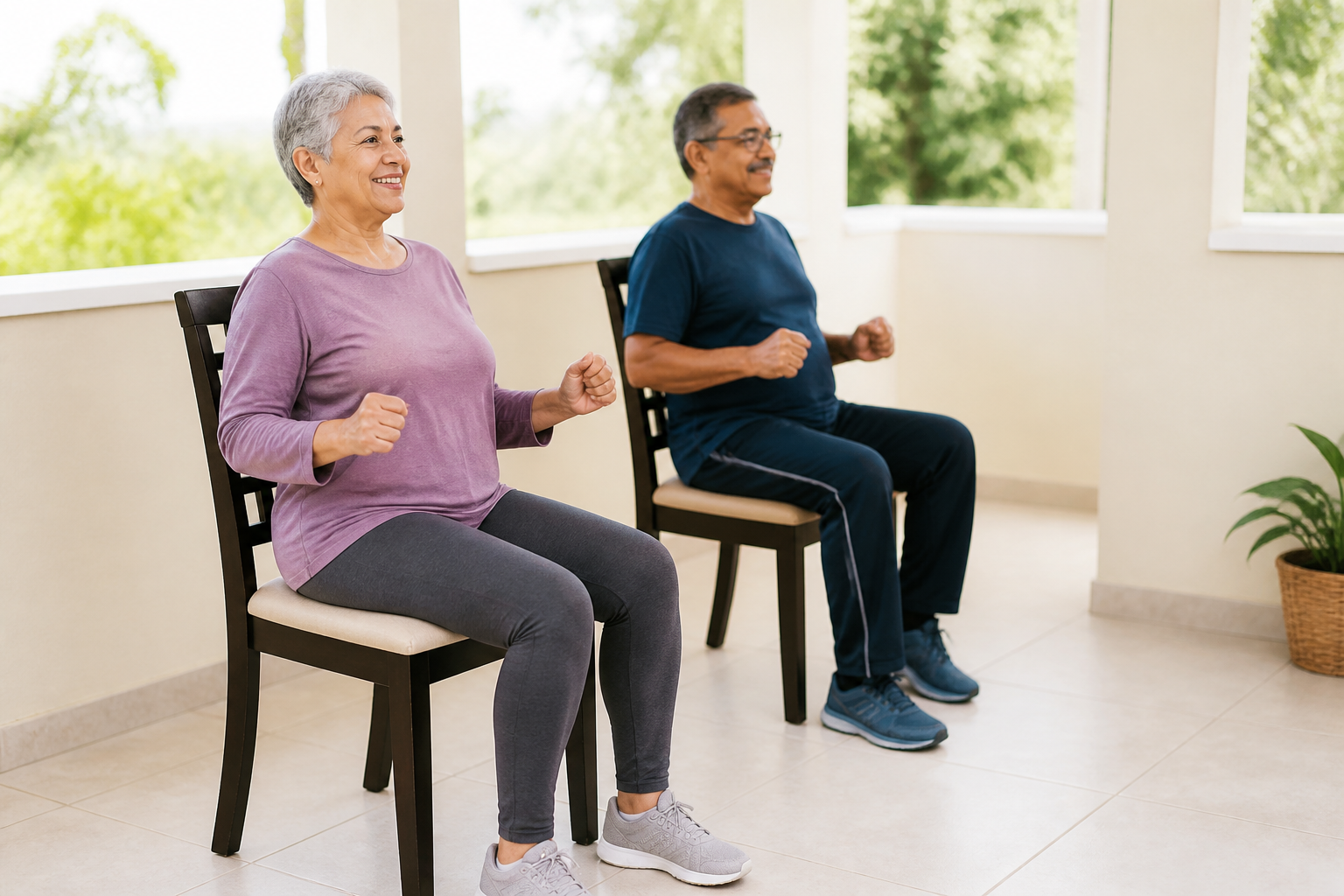
Chair cardio exercises for seniors at home are continuous, rhythmic arm and leg movements you do while seated in a sturdy chair, so your heart and lungs work hard while your knees, hips, and back stay protected. They are made for out-of-shape adults 55 and up, anyone unsteady on their feet, and folks coming back from a layoff — and just ten minutes a day builds real stamina, burns calories, and gets oxygen moving without a gym, equipment, or a single risky step.
What's In This Article
- Benefits of Chair Cardio for Seniors
- How to Setup Safe Chair Exercises at Home
- 4 Low Impact Chair Cardio Movements for Beginners
- 10-Minute Indoor Chair Cardio Routine
- What To Do On Low Energy Days
- Chair Cardio Questions I Get Asked Most
Aloha from Kaua'i! If you have been looking for chair cardio exercises for seniors at home, you are not alone. Many folks in our community—from Kapa`a down to Po`ipu—reach out asking if you can actually get a real, heart-pumping aerobic workout without pounding your joints on a treadmill or taking risky strides outdoors. The short answer is an enthusiastic yes!
To kick things off, let's look at a fantastic letter I received recently from a local reader that hits this exact topic right on the head.
Aloha Doug:
In your column from a few weeks ago, you mentioned the different types of activities which actually qualify as “true and on-purpose” exercise. What you said made a lot of sense to me, and I wanted to get your opinion about a book that I read years ago, called “The Cardio-Free Diet” by Jim Karas. The author says that doing cardio is NOT necessary for weight loss or even for health. I’ve always wondered about this. It doesn’t seem right to me, but I never knew whom to ask. I’d love to hear more of your thoughts about cardio, in general, and this book, in particular.
— Jennifer, Kapa`a

So, Jennifer, I certainly hope that you aren’t hoping that I also support you choosing a ChairMaster over a StairMaster? Not exercising is, without a doubt, not the best way to exercise.
Yes… I do remember that book hitting the marketplace a few years ago, and elevating quite a few heart rates at the time, including mine. The controversial title, “The Cardio-Free Diet,” said it all. I didn’t buy it… the book or the concept. These following excerpts alone give plenty of cause to pause.
FROM THE BOOK (not from me):
“Are you interested in losing weight, keeping it off and completely changing your body shape to the astonishment of all your friends? What if I told you this goal is best accomplished without ever stepping on a treadmill or elliptical machine?”
“My goal is two to three years from now we laugh at the fact we used to do all that cardio.”
“After 20 years of experience, I am convinced that cardio kills. It kills your weight loss plan, your joints, your internal organs and immune system, your body composition, your time and, most of all, your motivation to stay committed to losing weight.”

Benefits of Chair Cardio for Seniors
Yikes, huh? Now it’s my turn. This is me, Doug, talking now, “In Health & With Hope.” And, as I often tend to do, let’s take the more scenic route. Follow along:
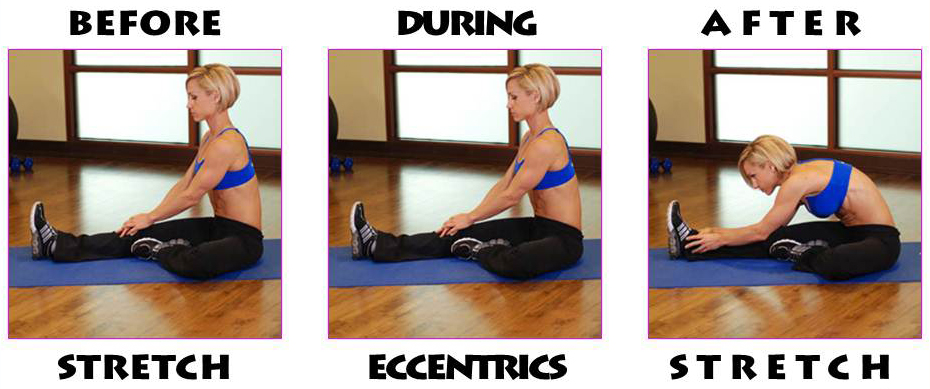
Stretching is one of the least important components of fitness. Stretching does NOT burn body fat, reduce soreness, prevent injuries, increase strength, reduce cholesterol, improve aerobic fitness, or even necessarily develop flexibility. It does not make muscles “long and lean.” Additionally, stretching does not have major impact on the attenuation of major disease, such as cancer, heart disease, stroke, osteoporosis, obesity, and/or diabetes.
But does this mean that you should not stretch? Of course not. Although flexibility is over-emphasized, stretching should still always be incorporated into each and every workout. If nothing more than to increase your range of motion… thereby allowing you to train for strength throughout this greater range of motion… thereby resulting in stronger muscles and tendons throughout that greater range of motion… thereby indirectly decreasing your risk of injury throughout your newly developed range of motion, becoming more flexible still gives us remarkable reasons to stretch.
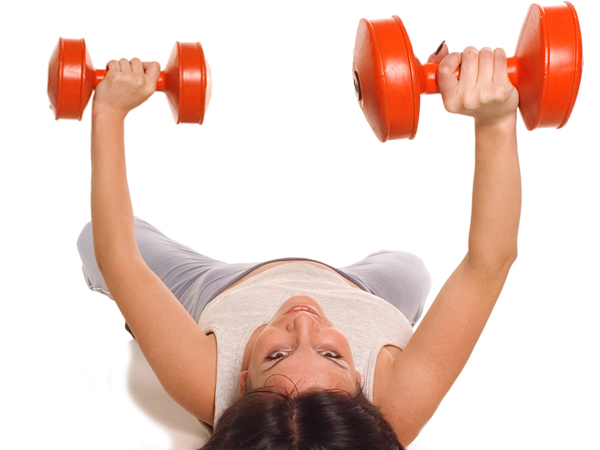
And what about strength training? Should we not lift weights because it could potentially increase blood pressure during the workout? Or, should we lift weights carefully and correctly because we will have lower blood pressure during every other moment throughout the day? Yes! Should we avoid dumbbells and barbells because the exercises often completely oppose the function of your muscles’ natural strength curves? Or, should we perform exercises with free weights because they mimic real life movements and should definitely be a part of everyone’s program? Yes... but be smart and stay safe. Dumbbells using free weights isn't always a wise idea.
How about machines… which don’t fit all body shapes and sizes, and can cause a lot of problems when they are used incorrectly? It is practically impossible to correctly isolate each muscle group without them. In my mind, and in my facilities, machines are most often mandatory.
So...
...in getting back to YOUR question, and the aforementioned author’s “killer-cardio” perspective? To be blunt, I have to completely disagree with him. Stamina, aka “cardio,” is not stupid and definitely has bountiful benefits which justify the means of the myriad modes. Stamina is super smart!

What Chair Cardio Does for Your Heart, Blood, and Oxygen
Nothing has a more positive impact on the functional capacities of the heart, blood, blood vessels, and relevant endurance musculature. The level of efficiency at which these various systems transport and utilize oxygen improves tremendously with stamina training. It just can’t be done with strength alone. It’s a completely different mechanism.
Improving aerobic fitness enhances your workload capacities (every level from rest to maximum), increases fat-burning capabilities at every single intensity level, and provides more energy for daily activities through a variety of different physiological mechanisms. And let’s not forget about the super stamina side effects, such as thwarting hypertension, hypercholesterolemia, coronary artery disease, anxiety/depression, and diabetes mellitus? Yes… training aerobically is associated with a multitude of tremendous benefits.

Even if training for strength IS a better way to lose weight (and it is, via increased chronically-elevated muscle metabolism), when you consider all of the other benefits that stamina offers, who cares about the scale? Whether we like it or not, cardio routines help deter cardiac rehab. You are either going to be selecting stamina today… or essentially electing surgery tomorrow, at least eventually.
Training the heart, lungs, and blood vessels with endurance-oriented activities is a vital piece of the fitness puzzle. In your heart of hearts, I’m sure that you already know that. I may love it. You may hate it. Either way, we both need it.

Here’s one last point: “The Cardio-Free Diet” also states that you receive a cardio benefit during strength training because your heart rate is elevated. However, the author is forgetting the crucial detail that heart rate only measures heart speed. It does NOT measure blood flow or, even more importantly, oxygen consumption. True “Stamina” exercise (running, biking, swimming, etc.) is actually “aerobic,” which means “with air,” or “with oxygen.” Your heart pumps a lot of blood and your body consumes a lot of oxygen. This is a good thing… a great thing!!
In contrast, during weight training, though your heart is racing at full speed, your body is only as “aerobic” as it would be during a moderate walk. Your heart is beating quickly, but primarily due to decreased venous return to the heart. Simply speaking, all of your blood is in your muscles, so your heart has to beat out (quickly) what little blood it does have coming back into it. You only have so much blood in your body and it can’t be in two places at once, right? And, for the fitness nerds among us, heart rate during strength training is disproportionately elevated due to the autonomic nervous system’s pressor response phenomenon, occurring reflexively from systemic skeletal muscle concentric contractions and eccentrically-elongating actions… so says the dumbbell!
Trust me… as much as strength and stretching are the best ways to exercise, so is stamina. Your heart is the most important muscle in your body, and oxygen is life as we know it. Together, they are the perfect fit!
How to Setup Safe Chair Exercises at Home
Now that we have cleared up why stamina is non-negotiable, let's look at getting an effective cardio workout safely at home without pounding your joints. Setup is simple: choose a sturdy chair without wheels, sit near the front edge with feet flat, and sit tall. Follow my favorite guideline: Smart-Simple-Speedy-Safe.
Maintaining upright posture keeps your chest open, allowing your lungs to expand fully as your heart rate rises during continuous exercise.
4 Low Impact Chair Cardio Movements for Beginners
Continuous rhythmic movement with both upper and lower body drives your oxygen consumption up gently. Here are four foundational exercises to try.
1. Seated March with Arm Swings
Seated March with Arm Swings: Sit tall and lift knees two to four inches while swinging opposite arms. Continue for thirty to sixty seconds. If energy is low, lift heels while toes stay grounded. Remember, the difference between doing nothing and next to nothing... is EVERYTHING!
2. Seated Jumping Jacks
Seated Jumping Jacks: Step your left foot out while reaching your right arm out, return to center, and repeat on the opposite side. For a greater challenge, move both legs and arms outward together while remaining securely seated.
3. Seated Speed Bag
Seated Speed Bag: Roll fists rapidly over one another at eye level for thirty seconds, then extend alternating straight punches. Continuous upper body motion keeps blood pumping to shoulders and chest.
4. Seated Heel Taps
Seated Heel Taps: Extend alternating legs forward, tapping heels to the floor while pressing hands straight out in front to engage legs and chest together.
10-Minute Indoor Chair Cardio Routine
Combine these movements into thirty-second work intervals followed by thirty seconds of easy breathing. Repeat for two rounds to complete a ten-minute routine.
Monitor effort using the "Talk Test": you should feel warm and breathe deeper, yet stay able to speak a sentence. Check out these simple seated exercise programs to structure your home workouts.
What To Do On Low Energy Days
On low-energy days, keep movements small. Heel lifts and gentle arm sweeps preserve your routine and keep blood circulating without tiring you out.

By pairing safe seated cardio with a gentle at home senior fitness program, you protect your heart health and keep moving strong every single day.
Chair Cardio Questions I Get Asked Most
Is chair cardio effective for seniors?
Yes, and I have watched it work for thousands of folks. When you keep your arms and legs moving continuously, your heart rate climbs and your body consumes more oxygen — and that is the whole point of stamina training, whether you are standing on a bike path or sitting in your kitchen chair. Effective does not mean exhausting. It means repeatable. A seated ten minutes you actually do beats a thirty-minute treadmill plan you dread and skip.
How long should chair cardio be for seniors?
Start with ten minutes a day, most days of the week, and build from there. If ten feels like too much this week, do three. Truly — the difference between doing nothing and next to nothing... is EVERYTHING! Once ten minutes feels easy, add a second round rather than making the movements wilder. Smart-Simple-Speedy-Safe wins every time.
Can you lose weight doing chair cardio?
It helps, and it helps most when you pair it with strength work and sensible sustenance. Chair cardio burns calories while you do it and improves your fat-burning capability at every intensity level, but the kitchen and your muscle metabolism do the heavy lifting on the scale. Do not judge chair cardio by your bathroom scale — judge it by your breathing, your energy, and how you feel climbing your own porch steps.
Is chair cardio safe for heart patients?
Chair cardio is one of the gentlest ways to move, which is exactly why cardiac rehab programs lean on seated work — but I am not your physician, and your doctor knows your chart. Get cleared first, then use the Talk Test as your governor: warm, breathing deeper, still able to speak a full sentence. If you feel chest pressure, dizziness, or unusual shortness of breath, stop and call your doctor. Safe beats sorry, always.
Ready to put this to work today? Try SUPER 7 FREE for a Smart-Simple-Speedy-Safe daily starting point: no gym, no equipment, no downloads - just open and go.
In Health & With Hope,
Doug :-)

About the Author: Douglas Jones, BS, MA, CSCS
Douglas Jones earned his Master's Degree in Exercise Physiology from the University of Maryland and is a Certified Strength and Conditioning Specialist. As an Exercise Physiologist and Concierge Fitness Professional based in Kaua'i, he has helped thousands of clients in person and millions online build simple, science-based habits for strength, stamina, stretching, and sustenance.
Doug is the founder of the Super 7 System — a complete training system you can do at home in as little as 7 minutes a day.
Watch his free intro and start free at Super7System.com.