Daily Walking Routine for Seniors: March Forth to Health
By Doug Jones
Q: How far should seniors walk every day?
A: Seniors should aim for 15 to 30 minutes of brisk walking daily, adapting speed and distance to their current fitness level and personal comfort.
What's In This Article
- Doug's original column: March Forth on 3/4
- Building a Safe and Effective Senior Walking Program
- Discovering the Unexpected Daily Walking Benefits for Seniors
- How to Safely Start Walking Over 60
- FAQ: the questions I get asked most
Establishing a daily walking routine for seniors is one of the simplest and most joyful ways to stay vibrant, clear-headed, and connected to your community. Aloha, friends in fitness! March is here, and it is the absolute perfect time to march forth with your health and movement goals.
Over the years here on Kaua'i, I have walked alongside folks ranging from 7 years young to 91 years young. Every single step along Ke Ala Hele Makalae teaches us that moving our feet nourishes both our physical bodies and our spirit. Strolling and sharing conversation keeps us feeling sharp, happy, and grounded.
Below is my original column on wiser walking. Read through my seven favorite steps to get the absolute most out of every stride, avoid common joint pitfalls, and keep your daily movement journey fresh and fun.
Start free at Super7System.com, or take the free fitness sampler and see the full program details.
Original Column: March Forth on 3/4
Starting March Third... — MARCH FORTH!!!
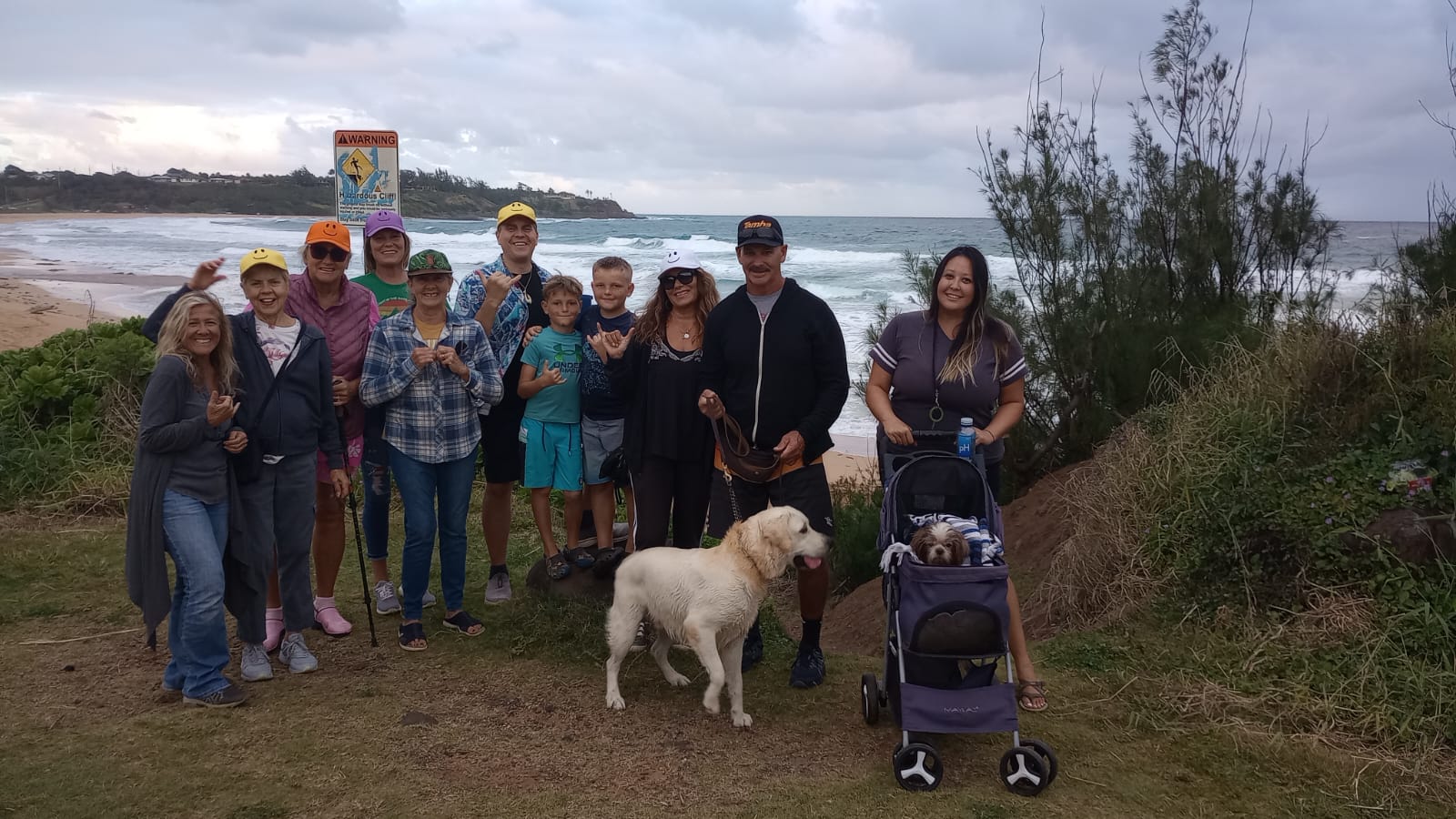
Aloha, Friends in Fitness!
I can hardly believe that it’s been a year since our first Super Sunday Sunset Stroll. Time marches on, huh? Mahalo to all who have enjoyed the scenic coastline with us during our monthly “commute & communicate” community congregation… aka “Walk & Talk.”

So far, our participants have ranged from 7 years old to 91 years young, and have included individuals very speedy with their walkers, some quasi-professional speed talkers, and everybody in between. We warmly welcome all of those looking to connect in celebration of fitness and friendship.

Rose the “Walker”...
w/ Doug the “Talker”!!!
Tomorrow, March 3rd, is a perfect day to march forth! Special guest, Kaua`i resident Dr. Judy Brunstad, Ph.D. (holistic nutritionist), will be providing her expert advice to any and all walkers and talkers. In addition to being Dr. Mom (yes, she’s my mother), and consulting with hundreds of my fitness transformation clients over the years, she has also logged literally millions of steps on Ke Ala Hele Makalae: The Path that Goes by the Coast.
We’re meeting tomorrow,
3/3, at 5:30 PM sharp, at the
Kapaa Public Pool, Kou Street.

The Man in the Yellow Hat... and his mom, Dr. Judy!
Strolling and speaking engage our bodies and minds, strengthening muscles, boosting cardiovascular health, and nurturing mental clarity and emotional well-being. The following 7 steps to wiser walking will help you to keep moving in the right direction.
...VARIETY IS KEY...
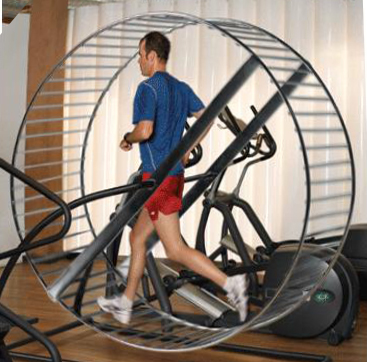
Walking is certainly foundational but, to truly maximize your level of fitness, you must incorporate variety into your routine. If you walked yesterday, challenge yourself to do something different today…. to help prevent plateaus, keep your body guessing, avoid boredom, and target different muscle groups. If you walk today, consider rotating your cardio mode tomorrow to keep your journey fresh and engaging.
...MAXIMIZE YOUR WALK...
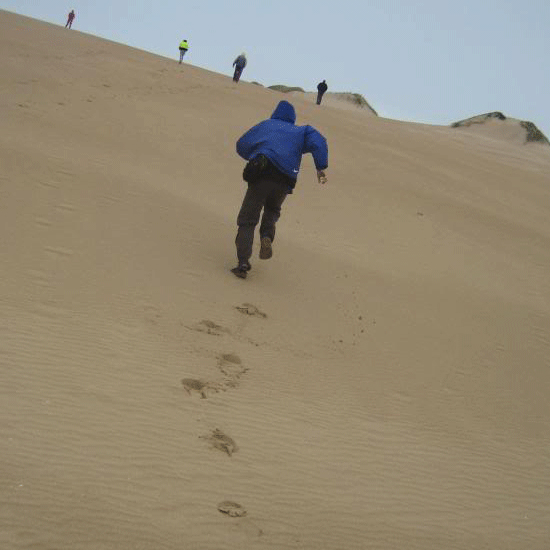
Capitalize on each and every step. Vary your pace, incorporating fast and slow intervals to burn more calories. Seek out inclines, stimulating cardiovascular adaptation. Alternate stride length, taking short, quick steps followed by longer, deliberate strides to engage a multitude of muscles. Mix up terrain, transitioning between pavement, sand, grass, and rocky soil to enhance stabilization and proprioception.
...BURN COPIOUS CALORIES...
Though walking expends approximately 100 calories per mile, this can vary based on factors such as weight, pace, and terrain. Slower speeds are not necessarily preferential for burning more body fat, a topic that I’ll fully expound upon in columns to come. Increasing your pace, even if periodically, significantly impacts your caloric expenditure both during your workout and long after your session is completed.
...WEIGHT-BEARING WOES...
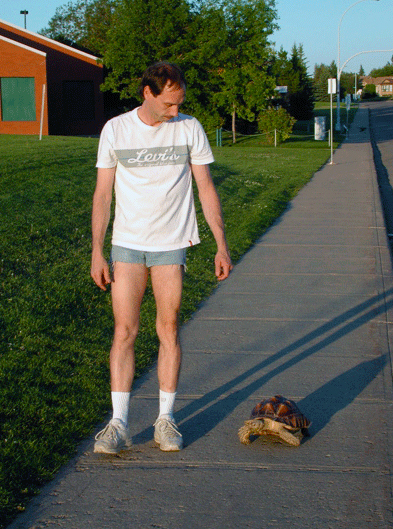
Studies indicate that relying solely on WALKING may lead to a reduction in lean muscle tissue. Surprisingly, walking (or jogging or running) alone can actually lead to a decrease in both fat weight and muscle mass. Regardless of the type of tissue, your body doesn’t want to carry extra poundage around the block. Therefore, weight lifting exercises for strength must always be performed in addition to weight-bearing exercise for stamina.
P.S. SPRINTING is different, and preferentially utilizes a faster-twitch muscle fiber type... which responds with hypertrophy (with strength, size, and power). This is more analogous to strength exercises and their concomitant training effects. I’ll write a full column on fiber type training in the near future. :-)

...PICK DIFFERENT TARGETS...
For perpetual progress, consider using a variety of goals… such as total time spent walking, a specific number of steps per outing, fastest walking time over a given distance, farthest distance over a certain time, or objectives related to terrains, stride lengths, or even the number of people you pass. Make it fun! By changing goals regularly, your routine will remain dynamic, ensuring continued progress and enjoyment.
...STAMINA BEFORE STRENGTH...
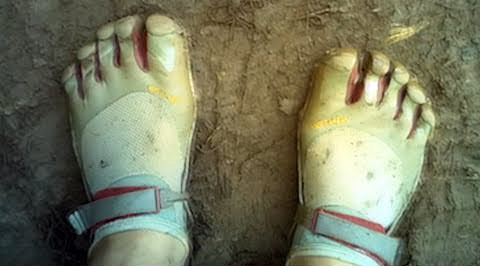
Warming up before working out is vitally important, and even brisk walking should be preceded by a walking warm-up. And, for those of you who want to perform a few strength movements during your outings (such as push-ups or squats or chin-ups), it is best to do this at the finish, after your muscles are primed and prepped. Also, please don’t walk with dumbbells, in hand, or arm-in-arm. More on that later! More on that later!

...STRETCHING AFTER STAMINA...
Warm up to stretch; don’t stretch to warm up. Full-body flexibility exercises should be performed at the very end of each walk to help counteract the myriad muscular contractions occurring with every step. Stretching all of the major muscle groups is important, and this includes the upper body. As important as it is to stretch after exercise, it is even more important to not stretch before exercise.

Walking with wisdom can enhance our mental well-being as much as our physical, enhancing our lifelong journey down the road to good health. Let’s all march forth, starting tomorrow, March 3rd. We’ll be looking for you at 5:30pm sharp, meeting at the Kapa`a Public Pool on Kou Street, right behind Chicken in a Barrel. Don’t forget to bring your smiley hat; the first one is free!!
Ready to put your walking stamina to work? Try SUPER 7 FREE for a Smart-Simple-Speedy-Safe daily starting point: no gym, no equipment, no downloads - just open and go.
In Health & With Hope,
Doug :-)
Building a Safe and Effective Senior Walking Program
A thoughtful senior walking program does not mean pacing the neighborhood until you are completely exhausted. True progress comes from consistency and small, smart adjustments that keep your body guessing without causing wear and tear on your joints. Start with a comfortable baseline, even if it is just ten minutes down the street and back. Once that feels steady, introduce subtle variations into your weekly routine.
You can vary your pace by walking at a relaxed tempo for two minutes, then stepping up your cadence slightly for thirty seconds. Look for gentle surface changes, shifting from smooth pavement to firm grass or packed dirt when you feel confident. These subtle variations challenge your balance system and engage different muscles in your lower legs and feet.
Always keep safety top of mind. Wear sturdy, comfortable shoes with good tread. If your balance feels a bit unsure on new surfaces, hold onto a sturdy fence or park bench while you get your footing, or walk with a friend. If you ever feel sharp joint pain or dizziness, stop and rest immediately. Listen to what your body tells you each morning, and adjust your route to match your energy levels for that day.
Discovering the Unexpected Daily Walking Benefits for Seniors
The physical and emotional rewards of moving every day go far beyond simple calorie burning. Exploring the daily walking benefits for seniors reveals marked improvements in cardiovascular health, mood, and mental clarity. Getting outside into the fresh air stimulates your circulation, delivering fresh oxygen to your brain and helping clear away daily stress.
However, walking alone is only one piece of the healthy aging puzzle. While taking daily steps boosts your stamina and keeps your heart strong, it does not build or maintain lean muscle mass on its own. As we age, maintaining muscle is critical for protecting our joints, keeping our balance sharp, and supporting our bones. That is why pairing your walk with simple strength movements is so vital.
Try these safe ideas after your walk, once your muscles are warm:
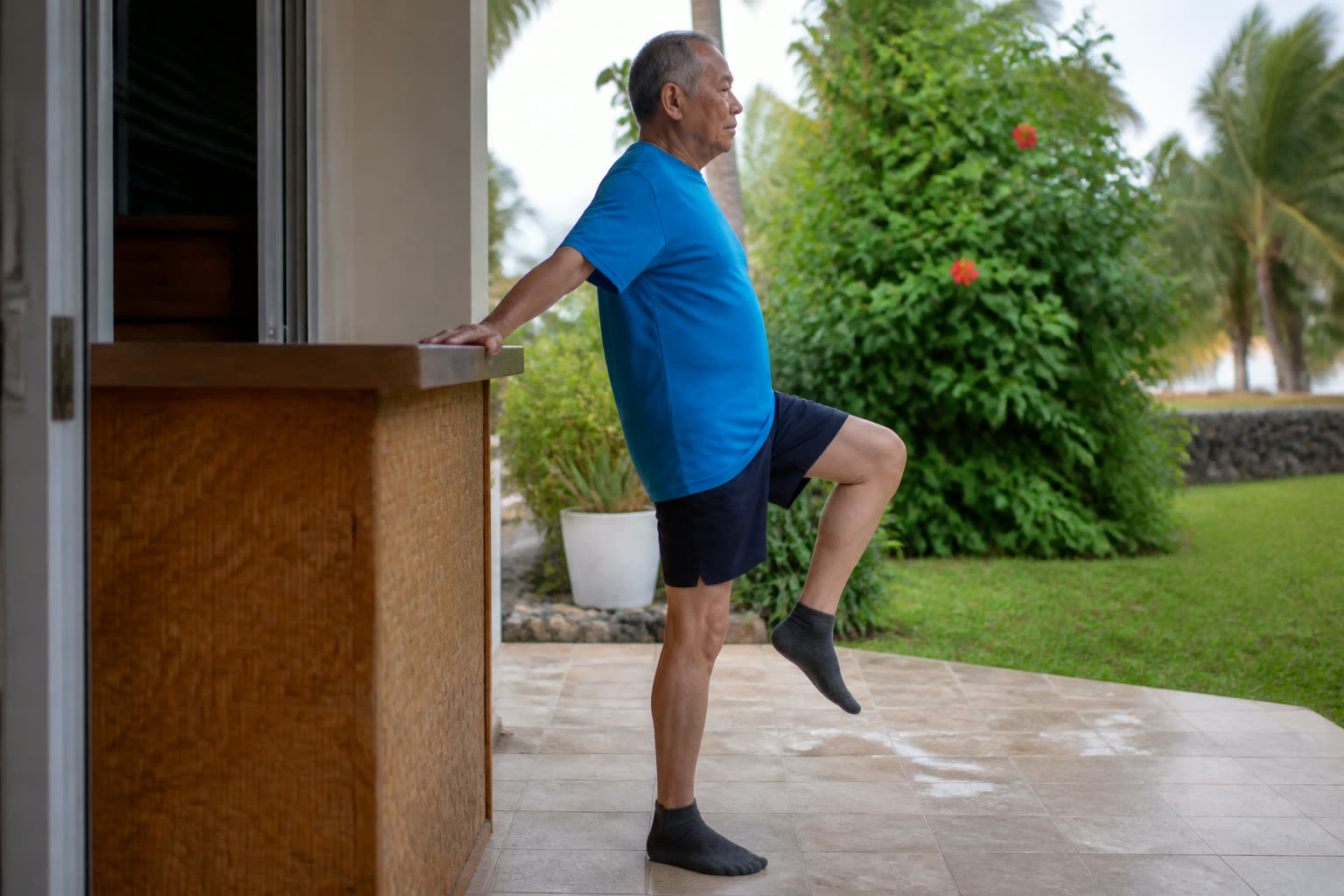
- Stand near a kitchen counter or solid railing for balance support while resting.
- Perform slow, controlled heel raises to strengthen your calves and ankles.
- Do a few shallow, counter-supported squats to keep your hips and knees strong.
- Finish with gentle calf and hamstring stretches while holding onto a stable surface.
Combining daily steps with targeted strength work ensures your entire body stays strong, balanced, and resilient.
How to Safely Start Walking Over 60
If you are ready to start walking over 60, taking a thoughtful approach protects your knees, hips, and lower back from unnecessary strain. Many folks assume they should jump right in with long distances or hold hand weights while strolling. Carrying dumbbells or swinging heavy arms actually throws off your natural gait and puts unnecessary stress on your shoulders and spine.
Instead, focus on upright posture and clean stride quality. Keep your chest open, eyes looking forward rather than down at your feet, and let your arms swing naturally at your sides. Begin every outing with a gentle five-minute warm-up pace before picking up your speed. If you are returning to exercise after a long break, check in with your healthcare provider first, especially if you have existing heart or joint concerns.
Keep these ground rules in mind for safe progression this week:
- Warm up by walking slowly first; save stretching for after your workout when muscles are warm.
- Keep your strides comfortable and deliberate—avoid overstriding to protect your knees.
- Walk on well-lit, level paths free of tripping hazards.
- Carry water and bring a phone if you are heading out alone.
Focusing on good mechanics ensures every step moves you toward better health safely.
For general background, see CDC recommendations state that older adults gain significant health benefits from 150 minutes of moderate physical activity like brisk walking each week..
FAQ: Questions I Get Asked Most
How often should I walk each week?
For a successful daily walking routine for seniors, aim for short walks most days of the week. Starting with 15 to 20 minutes five days a week builds consistency without overtaxing your joints. You can gradually increase your time as your stamina improves, always listening to your body.
Should I carry hand weights while walking to burn more calories?
No, carrying hand weights while walking is not recommended. Extra weight in your hands alters your natural arm swing, strains your shoulders, and increases stress on your lower back. It is much safer to focus on clean walking mechanics during your stroll, saving your strength training exercises for a dedicated session afterward.
Is walking enough exercise on its own as I get older?
While walking is fantastic for cardiovascular health, stamina, and mental clarity, it is not enough on its own. Walking does not build lean muscle mass. To preserve bone density, joint stability, and overall strength, you should combine your walking routine with simple strength and resistance exercises twice a week.
When is the best time to stretch during my walking routine?
Always stretch after your walk, never before. Cold muscles are less pliable and more prone to strain. Walking slowly at the start acts as a warm-up by increasing blood flow. Once your session is complete and your muscles are warm, perform gentle, static stretches for your calves, hamstrings, and upper body.

About the Author: Douglas Jones, BS, MA, CSCS
Douglas Jones earned his Master's Degree in Exercise Physiology from the University of Maryland and is a Certified Strength and Conditioning Specialist. As an Exercise Physiologist and Concierge Fitness Professional based in Kaua'i, he has helped thousands of clients in person and millions online build simple, science-based habits for strength, stamina, stretching, and sustenance.
Doug is the founder of the Super 7 System — a complete training system you can do at home in as little as 7 minutes a day.
Watch his free intro and start free at Super7System.com.
Medical disclaimer: This article is educational only and is not medical advice, diagnosis, or treatment. Stop any movement that causes pain, and check with your healthcare provider before starting new exercise or changing your diet.
Seven honest minutes at your own counter. Try Super 7 Free →