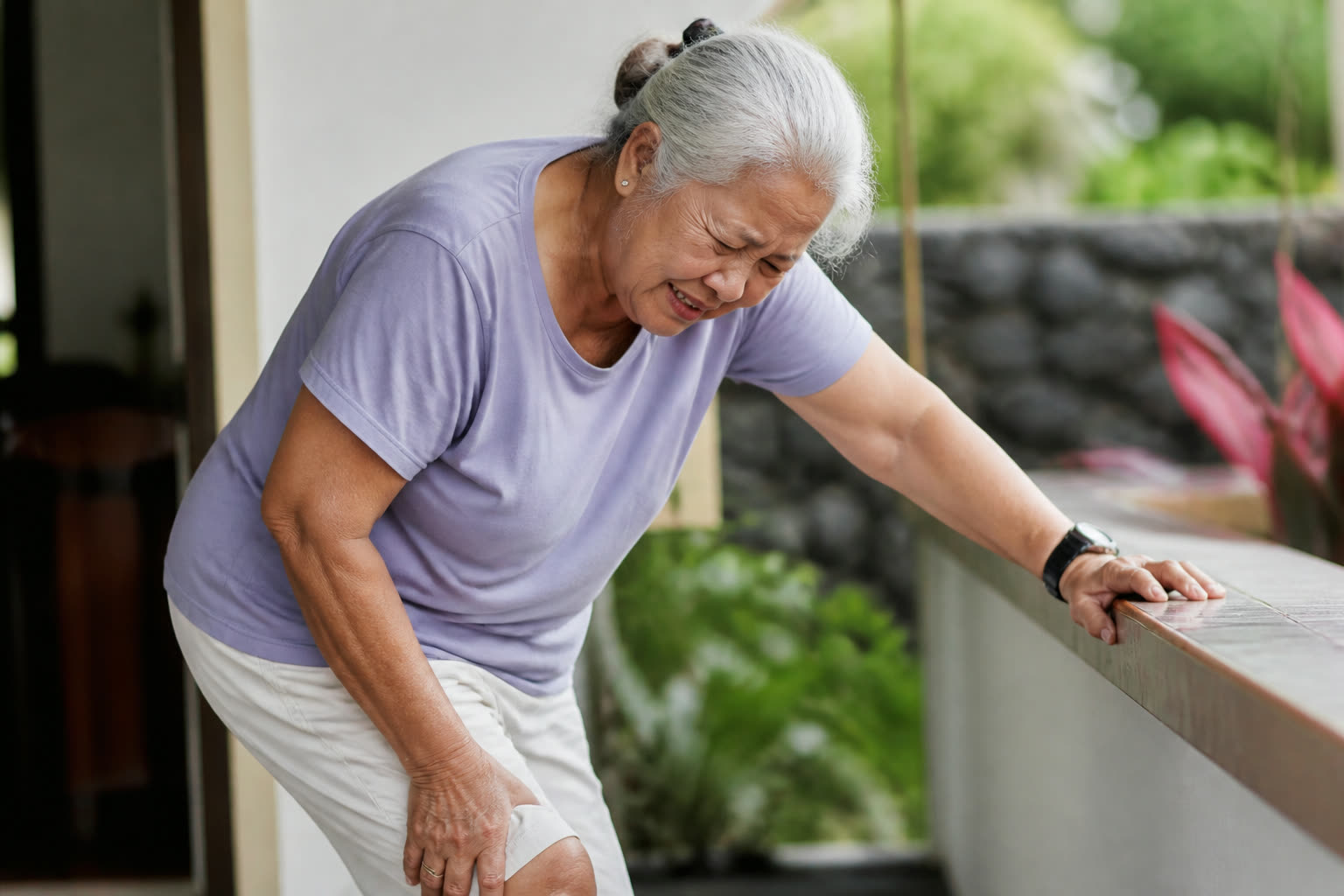
Delayed Onset Muscle Soreness in Seniors: At-Home Relief
By Doug Jones
Q: How can seniors distinguish normal muscle soreness from actual injury?
A: Normal delayed onset muscle soreness develops 24 to 48 hours after exercise as a dull ache, whereas injury causes immediate, sharp, or localized pain.
What's In This Article
- Doug's original column: DISCERN THE BURN: ...MUSCLE GAIN WITHOUT PAIN...
- DOMS Relief for Seniors
- Post Workout Muscle Care
- Safe Senior Strength Training
- FAQ: the questions I get asked most
Aloha! If you have ever felt tender or stiff a day or two after working in the garden or lifting weights, you have experienced **delayed onset muscle soreness in seniors**.
As I mentioned to Penny from Po`ipū in the column below, many folks mistakenly blame lactic acid for that next-day ache. In reality, lactic acid clears out of your body within minutes after you finish your routine! That deep, delayed tenderness comes from the gentle, necessary micro-remodeling of your muscle fibers—especially when slowly lowering a weight.
Understanding the difference between the inline burn of exertion and next-day muscle rebuilding gives you complete peace of mind. Read my original response below to clear up the confusion, and let us talk about keeping your body strong, comfortable, and moving freely.
Start free at Super7System.com, or take the free fitness sampler and see the full program details.
Original Column: DISCERN THE BURN: ...MUSCLE GAIN WITHOUT PAIN...


DISCERN THE BURN:\n...MUSCLE GAIN WITHOUT PAIN...
Dear Doug,
Mahalo for answering my question last month about muscle soreness. I loved your point about how lowering weight is both the cause and the cure. I had always thought that lactic acid was the primary culprit. I guess not, huh? Does lactic acid have anything at all to do with soreness the day after I work out?
Penny from Po`ipū (again) -

Aloha again, Penny.
I’m happy to elaborate for you. There is definitely a lot of misinformation out there, and the topic of muscular soreness unquestionably deserves a two-part answer.
To ensure clarity, let me nitpick your question a bit, semantically, for lack of a better word. Persnicketiness is paramount!
Your question about soreness specially referred to DOMS, Delayed Onset Muscle Soreness, which typically presents itself 1-5 days after a workout. Eccentrics is both the cause and the cure, as eccentric muscle actions (lengthening muscle under tension by slowly lowering weight) simultaneously create and prevent muscular soreness. The paradoxical magic of muscle is truly miraculous when you “Exercise Your Eccentric Genius,” which is coincidentally the title of my book series.
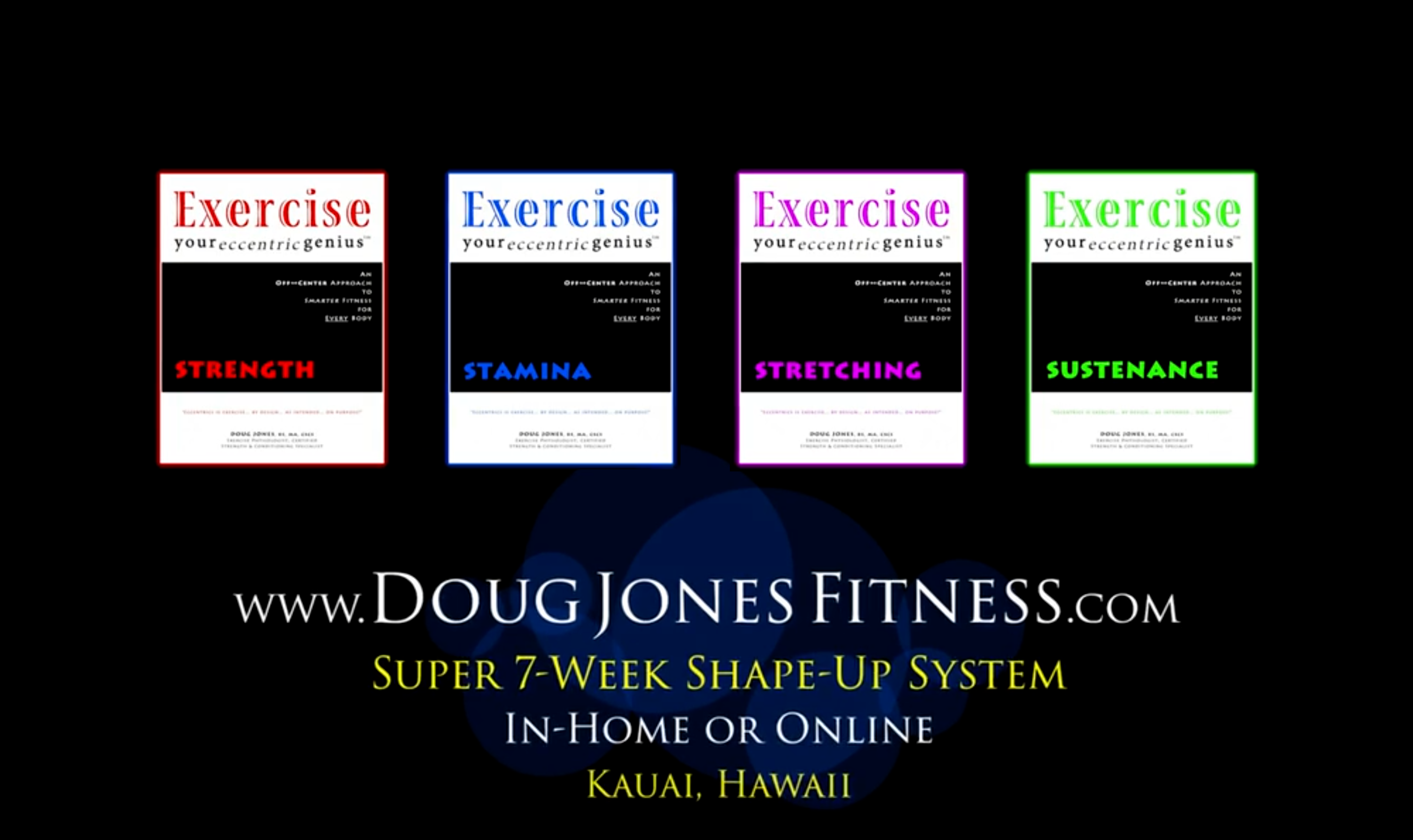
For more information about soreness after exercise, please visit my website below. For more information about soreness during exercise, let’s take a look at your forementioned friend and foe, lactic acid.
High levels of exertion require high levels of energy. At extreme intensities of exercise, your body progressively shifts gears to provide more and more fuel via anaerobic metabolism (without air or, more specifically, without oxygen). This is a good thing… a great thing. It gives you energy whether or not you ‘have’ it, if that makes any sense. In the weight room, most of your exercises would fall into this category. Harder workouts, such as resistance training with weights, are typically considered to be more anaerobic in nature.
Now for the bad… the “No Pain − No Gain” of fitness. When your body gradually uses more energy (from carbohydrates vs fats) at higher intensities, more lactic acid and acidic hydrogen ions are produced. At one time or another, you have probably felt (or have perhaps tried harder to avoid feeling) this acidic burn associated with intense exercise. The accumulation of lactic acid happens with strong Stamina as well as with sustained Strength, and climbing up the steepest slope of Kapa`a’s Sleeping Giant comes to mind. As with delayed soreness, some people enjoy this burning sensation during intense exercise; most don’t.

So, how does this acidic burn relate to Eccentrics? Weight lifting produces up to 70% MORE lactate (along with lactic acid, hydrogen ions, and acidity) than weight lowering. By my math, that’s over two-thirds more pain, if not nearly three-quarters! This equates to Eccentrics (lengthening muscle under tension by slowly lowering weight) producing significantly fewer burning by-products than are typically produced by conventional weight lifting. Again, lowering weights is a much better solution.
Less lactic acid - less acidity − less pain − more gain. Your muscles are working just as hard; in fact, they’re working even harder (read my other columns). However, it just doesn’t feel like they are. Eccentrics is very productive with very little discomfort. What an ingenious invention!
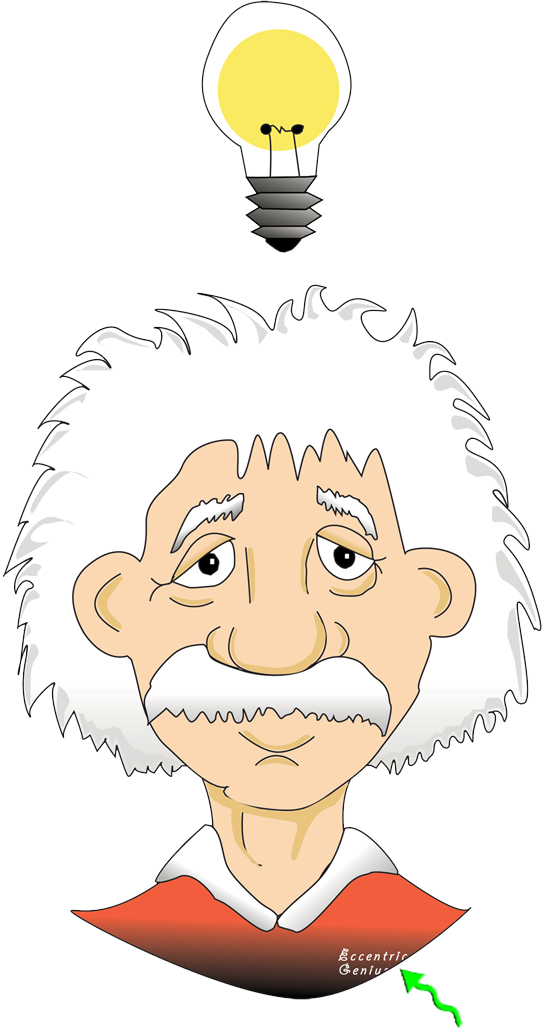
During your weight-lowering Eccentrics workout, you might even say, “Wow… this is really easy!” But, don’t forget, the next day (or two or few) you might say, “Wow… that was hardly easy!”
Eccentrics creates less acid, which causes less burn, and results in less pain. Eccentrics creates more force, which alters more muscle, and results in more gain. These two phenomena are mutually exclusive, but both are extremely significant.
The fact that Eccentrics doesn’t burn, per se, means that you are much more likely to exercise. The fact that Eccentrics does transform muscle in a positive way means that exercise is always very productive, even if you don’t feel the burn. Again, it’s the best of both worlds. Eccentrics is easier and superior.
While we’re all here, I do need to mention that fitness enthusiasts seem to have been pervasively persuaded to believe that lactic acid causes next-day muscle soreness. It does not. One does not cause the other. Lactic acid created during exercise is utilized and converted by the body (muscles, liver, heart, brain, kidneys) and thereby essentially completely cleared from the body within minutes. Consequently, lactic acid only causes “soreness” during exercise; it does not cause the perception of Delayed Onset Muscle Soreness that occurs after exercise. Please help to spread the word about this often-misconstrued acidic perfusion confusion. Mahalo!

Ready to put your recovery to work? Try SUPER 7 FREE for a Smart-Simple-Speedy-Safe daily starting point: no gym, no equipment, no downloads - just open and go.
In Health & With Hope,
Doug :-)
DOMS Relief for Seniors
When you wake up two days after a good strength session feeling tight in your thighs or arms, do not panic. Finding practical DOMS relief for seniors starts with understanding that your body is simply rebuilding stronger tissue. The best response is gentle, active recovery rather than staying completely still.
Here are a few safe ways to ease that tender, post-exercise feeling this week:
- Light walking: Take an easy ten-minute stroll around your living room or neighborhood to encourage natural blood flow and warm up the tissue.
- Gentle warmth: A warm shower or a heating pad on a low setting relaxes tight muscles and speeds circulatory delivery.
- Hydration and nutrition: Drink plenty of fresh water throughout the day and eat clean protein to support muscle repair.
- Light mobility work: Slowly move your joints through a comfortable, pain-free range of motion without forcing deep stretches.
Remember, true muscle soreness feels like a dull, diffuse ache throughout the muscle belly. If you experience sharp, sudden, or localized pain near a joint, rest immediately and check in with your healthcare provider. Never try to push through sharp discomfort.
Post Workout Muscle Care
Taking care of your body immediately after you exercise makes a tremendous difference in how you feel tomorrow. Thoughtful post workout muscle care helps your nervous system settle down and aids your circulatory system in clearing metabolic by-products quickly.
Try incorporating these simple, safe habits right after your strength session:
- Counter-supported cool-down: Stand near a sturdy kitchen counter or table for balance, taking deep, steady belly breaths while lightly shifting your weight from side to side.
- Hydrate steadily: Sip fresh water right after exercising rather than gulping a large amount all at once.
- Easy elevation: Rest your legs on an ottoman or footstool for ten minutes while relaxing to help fluid return to your heart.
Giving your muscles five minutes to transition from effort back to rest keeps your blood pressure stable and reduces post-exercise muscle tightness. Always listen closely to your body’s signals—rest and recovery are where your real strength is built.
Safe Senior Strength Training
Building lasting physical independence in your sixties, seventies, eighties, and beyond does not require heavy weights or breathless strain. Effective, safe senior strength training centers on control—specifically, taking three to four full seconds to lower a light weight or your own body weight.
Focusing on the lowering phase (the eccentric movement) gives you maximum muscle benefit while producing far less acidic burn during the exercise. Here is how to keep your routine safe and productive:
- Use solid support: Keep a sturdy counter, high-backed chair, or wall within arm’s reach for balance whenever you practice standing movements.
- Move slowly: Count three full seconds down on every movement. Never drop weights or rush through reps.
- Keep it comfortable: Exercise should feel like steady, moderate work, never joint strain or sharp discomfort.
Always consult your primary care doctor before starting a new exercise routine, especially if you manage joint replacement, osteopenia, or blood pressure concerns. Training safely ensures you stay strong and vibrant every day.
For general background, see NIH research on muscle recovery mechanisms and post-exercise soreness management in older adults..
FAQ: Questions I Get Asked Most
Why do my muscles hurt two days after exercise?
Understanding delayed onset muscle soreness in seniors helps ease worry. This tenderness usually peaks 24 to 48 hours after activity. It is caused by microscopic remodeling in muscle fibers—especially after slowly lowering weights or walking downhill—not lactic acid build-up. It is a normal sign your body is rebuilding strength.
Does lactic acid cause muscle soreness the next day?
No, lactic acid does not cause next-day muscle soreness. Lactic acid creates that temporary burning sensation during intense exercise, but your body completely clears it within minutes after you stop moving. Next-day soreness is caused by microscopic structural adjustments in the muscle tissue as it repairs.
Should I exercise if I am still sore from my last workout?
If you have mild, diffuse muscle tenderness, light activity like an easy stroll or gentle mobility movements can increase circulation and speed recovery. However, avoid heavy resistance on those same sore muscle groups until the tenderness fades. If you feel sharp pain, stop and rest entirely.
How can older adults build muscle without constant pain?
Older adults can build strong muscles comfortably by focusing on slow, controlled eccentric movements—taking three to four seconds to lower resistance. Lowering weights produces minimal acidic burn during the exercise while stimulating maximum strength gain and bone density. Always maintain balance support and work pain-free.

About the Author: Douglas Jones, BS, MA, CSCS
Douglas Jones earned his Master's Degree in Exercise Physiology from the University of Maryland and is a Certified Strength and Conditioning Specialist. As an Exercise Physiologist and Concierge Fitness Professional based in Kaua'i, he has helped thousands of clients in person and millions online build simple, science-based habits for strength, stamina, stretching, and sustenance.
Doug is the founder of the Super 7 System — a complete training system you can do at home in as little as 7 minutes a day.
Watch his free intro and start free at Super7System.com.
Medical disclaimer: This article is educational only and is not medical advice, diagnosis, or treatment. Stop any movement that causes pain, and check with your healthcare provider before starting new exercise or changing your diet.
Seven honest minutes at your own counter. Try Super 7 Free →