Dietary Fiber for Older Adults: Digestion & Health Guide
By Doug Jones
Q: Why is dietary fiber important for older adults?
A: Dietary fiber aids digestion, helps prevent constipation, regulates blood sugar levels, and supports cardiovascular health in aging individuals.
What's In This Article
- Doug's original column: God's Garden: To You It Shall Be for Meat
- Finding the Right Pace for Senior Fiber Intake
- Simple Habits for Digestive Health in Older Adults
- Unlocking the Daily Plant Fiber Benefits
- FAQ: the questions I get asked most
Getting enough dietary fiber for older adults is one of the most powerful steps you can take to boost your daily energy and support long-term vitality.
Here on Kaua'i, I often hear folks say that raw vegetables are just too tough on the stomach to enjoy. But as we look at how whole plants nourish our bodies, that very toughness turns out to be their greatest strength.
In this week's column below, we break down why indigestible plant material is actually your gut's best friend and how skipping the middleman helps keep your bones strong and your body moving smoothly.
Start free at Super7System.com, or take the free fitness sampler and see the full program details.
Original Column: God's Garden: To You It Shall Be for Meat
VEGANISM: PART DUH!!!
...Digestion, Calcium & the Case for Plants...
Do you remember last month's column? I boldly broached the topic of a plant-based diet, at least from a protein perspective… and the first major objection to the various virtues of veganism.
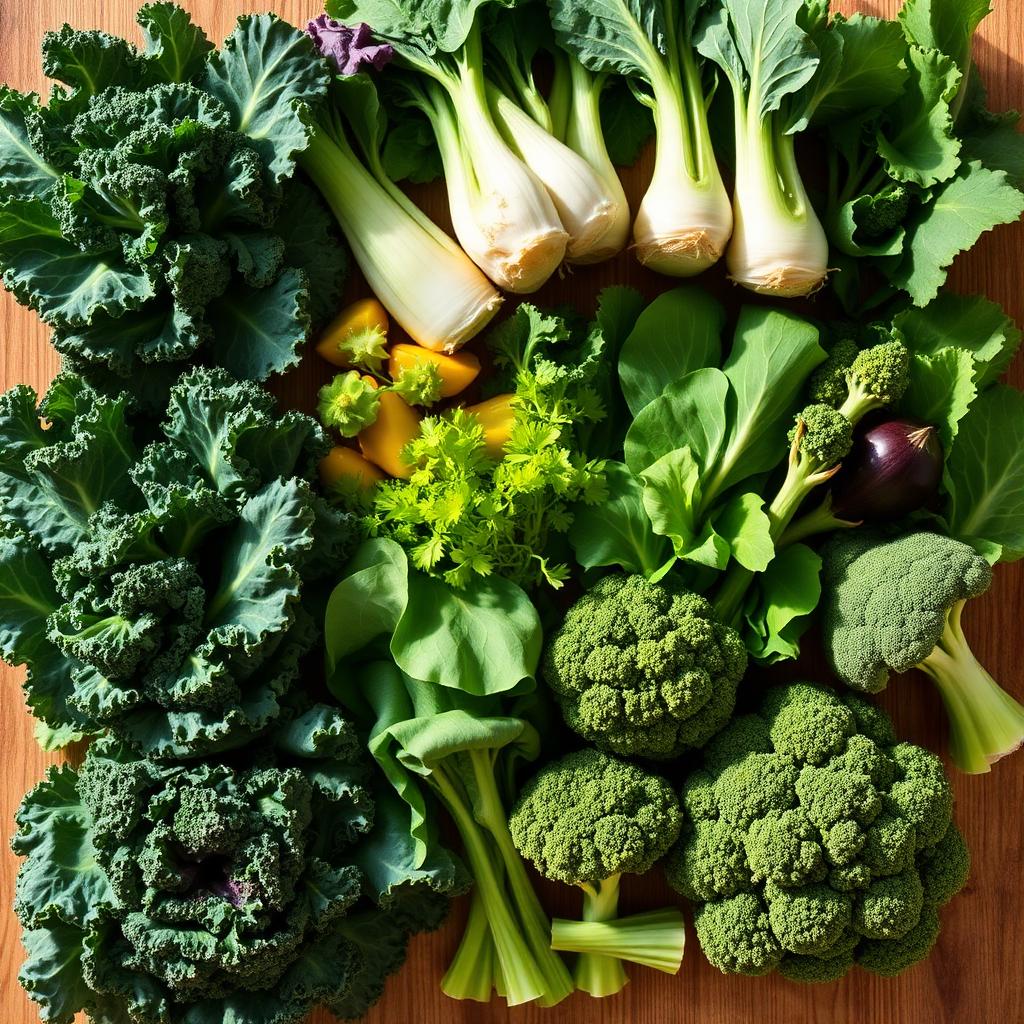
Hopefully, we progressed favorably this month, from ravenous carnivores to cruciferous connoisseurs. Our collective goal, even from a purely nutritive standpoint, should be to eat more of the stuff being grown… and less of the stuff being grown by being stuffed.
The number one objection to not eating meat is the notion that plants don't pack a powerful protein punch. I squashed this last time! Visit my website. Read my column. Watch my video.
But people have many excuses for not eating healthily. How about this one? "Veggies are too hard to digest!"
...Fiber: The Unsung Hero...
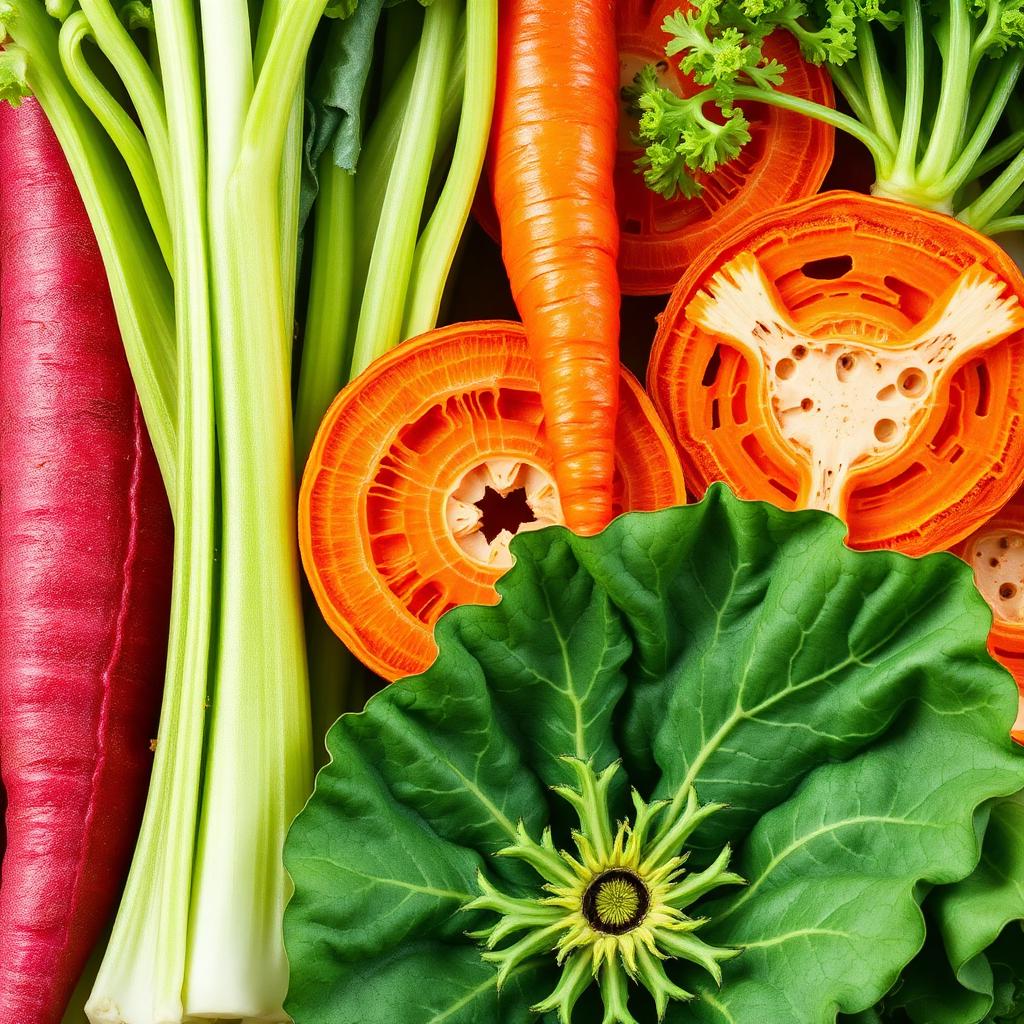
Bingo! You're absolutely right. Plants are very tough to digest. In fact, some parts of a plant are so difficult to digest that they are considered absolutely non-digestible. It's called fiber, and that's exactly why plants are so good for you.
Indigestible fiber is the unsung hero of digestion, and is only found in the plant world: stems, stalks, cell walls, lignin, seed coats, and cutin, a fibrous layer prevalent in some leafy veggies, like kale.
Meat, eggs, and dairy? Zero fiber. Zilch. Nada. This is why diets heavy in these foods are notorious for sluggish gut motility and a digestive system that feels like you ate a cow, literally.
Being resistant to digestion is precisely why plant fiber is essential to digestion. In addition to moving things along, this "hard to digest" fiber adds bulk to your meals, fills your belly without concentrated calories, stabilizes blood sugar, optimizes cholesterol, decreases risk of heart disease, and supports healthy blood pressure.
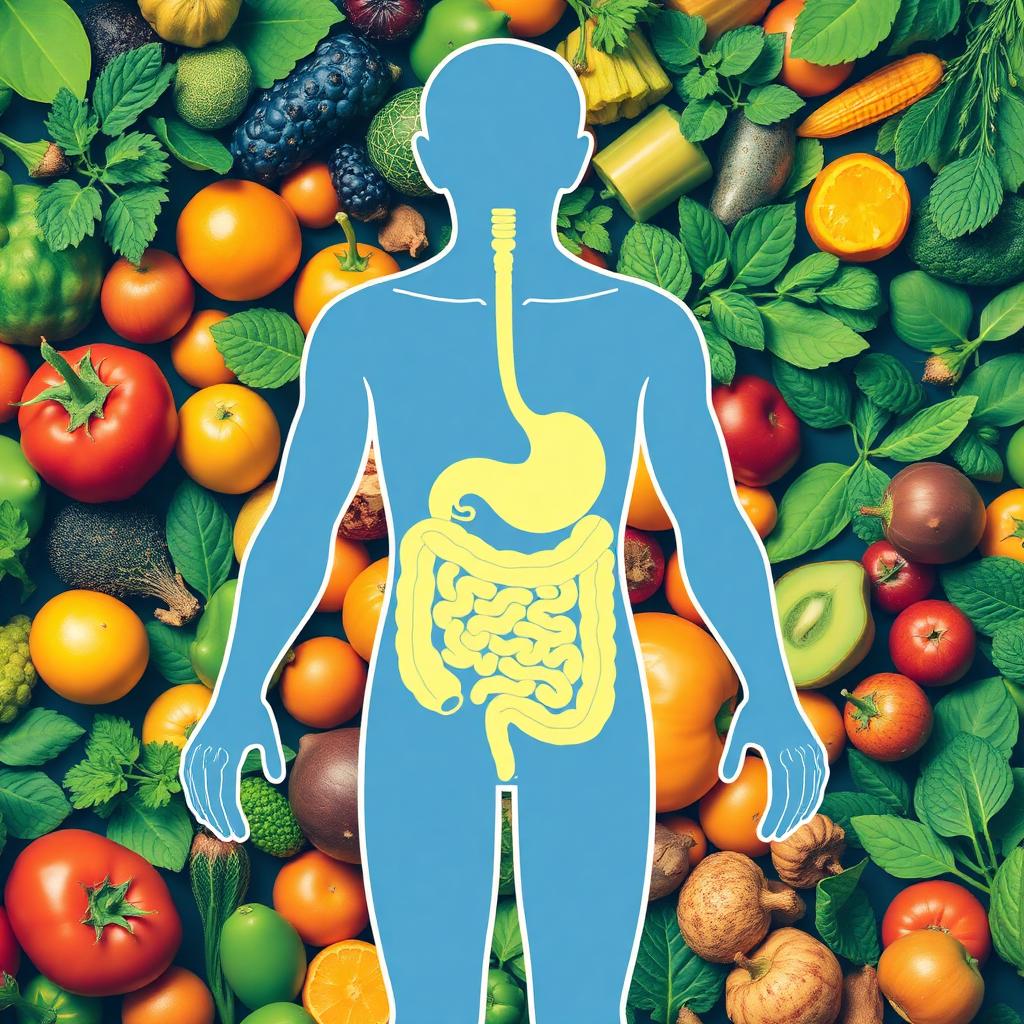
Plant fiber is also like a free buffet for your microbiome, and a happy gut means better digestion, reducing inflammation and improving mental health.
Short and sweet: difficult-to-digest veggies lead to better digestion, resulting in you feeling better physically and mentally.
Longer term, a plant-fiber-rich diet is linked to a lower risk of obesity, heart disease, diabetes, and even cancer. So, the next time someone says, "veggies are too hard to digest," just smile and say… "Exactly. That's the point! Next question?"
...The Calcium Conundrum...
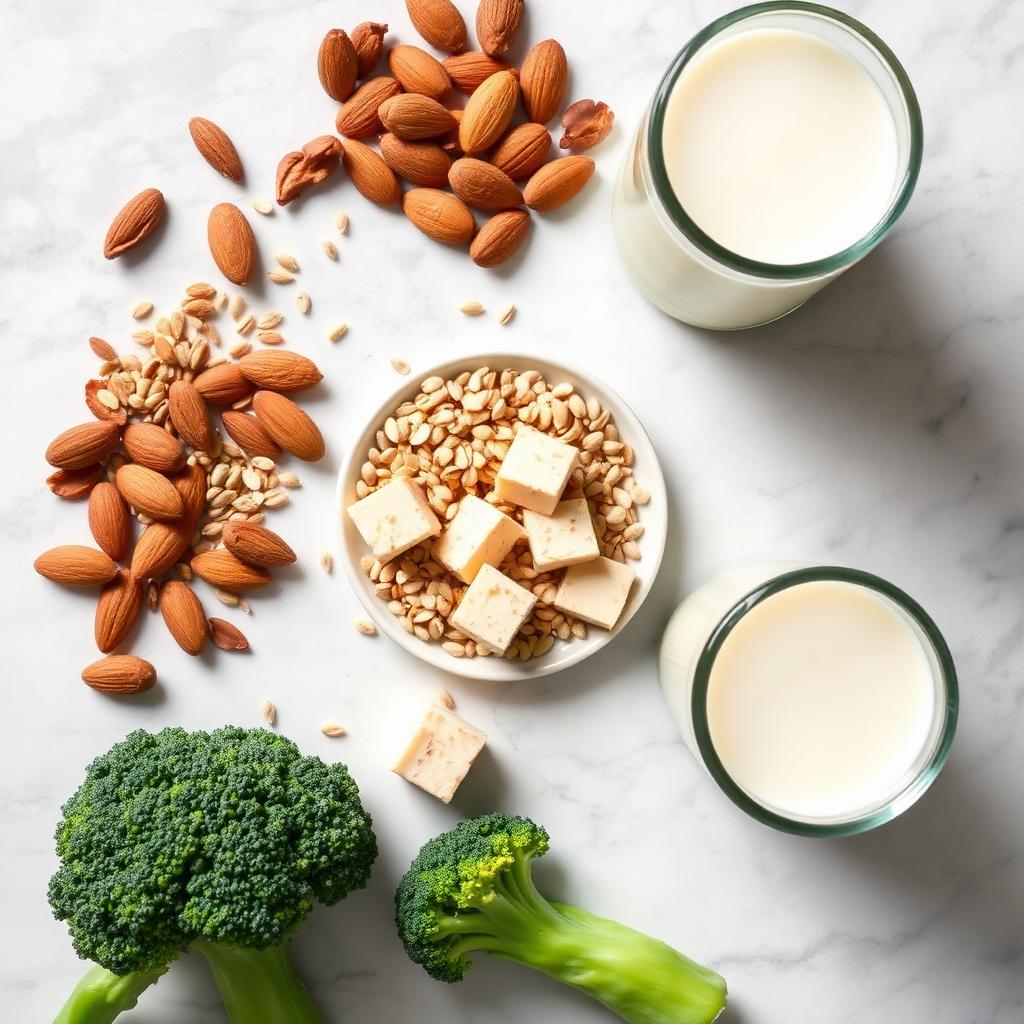
How about the calcium conundrum? This one is huge! Milk builds strong bones, right? Cheese is essential for calcium, right? Well, not necessarily.
Cows don't drink milk, so where do they get their calcium? Plants! Cows are vegan! At least the calcium in dairy originally comes from purely vegan sources… grasses, leaves, alfalfa, hay, clover, etc. Perhaps we should skip the middleman and go straight to the source, too.

Yes, I do realize that calves drink milk, as intended, but gaining two pounds a day is also on their agenda. For humans, the plant world offers abundant options for calcium: leafy greens, alfalfa, almonds, legumes, sesame seeds, tofu, broccoli, or fortified plant milks.
Here's another thought. If dairy is so great for bones, why do countries with high dairy consumption often have higher rates of osteoporosis? While correlation doesn't always equal causation, this should at least make us question whether our belief in milk's bone-bolstering benefits is perhaps only mega-doses of marketing magic.
The real issue isn't just calcium intake, but calcium balance, and how much your body actually retains and utilizes. Excessive animal protein consumption has been linked to increased calcium excretion, and some studies suggest that this could contribute to bone loss over time. Strong bones aren't just about loading up on calcium; they require a balance of proper nutrition, gut health, and physical activity.
And, the acidity problem doesn't stop with calcium loss. Diets high in animal products can contribute to chronic inflammation, increasing the risk of arthritis, kidney stones, and even certain cancers. Meanwhile, balanced plant-based diets, which tend to be more alkaline, are associated with better bone health and reduced disease risk.
In a nutshell, you don't need dairy to build strong bones. Eat plants, and milk them for all they're worth, especially collard greens, rhubarb, kale, mustard greens, and bok choy… oh boy!
...Whole Foods, Not Pills...
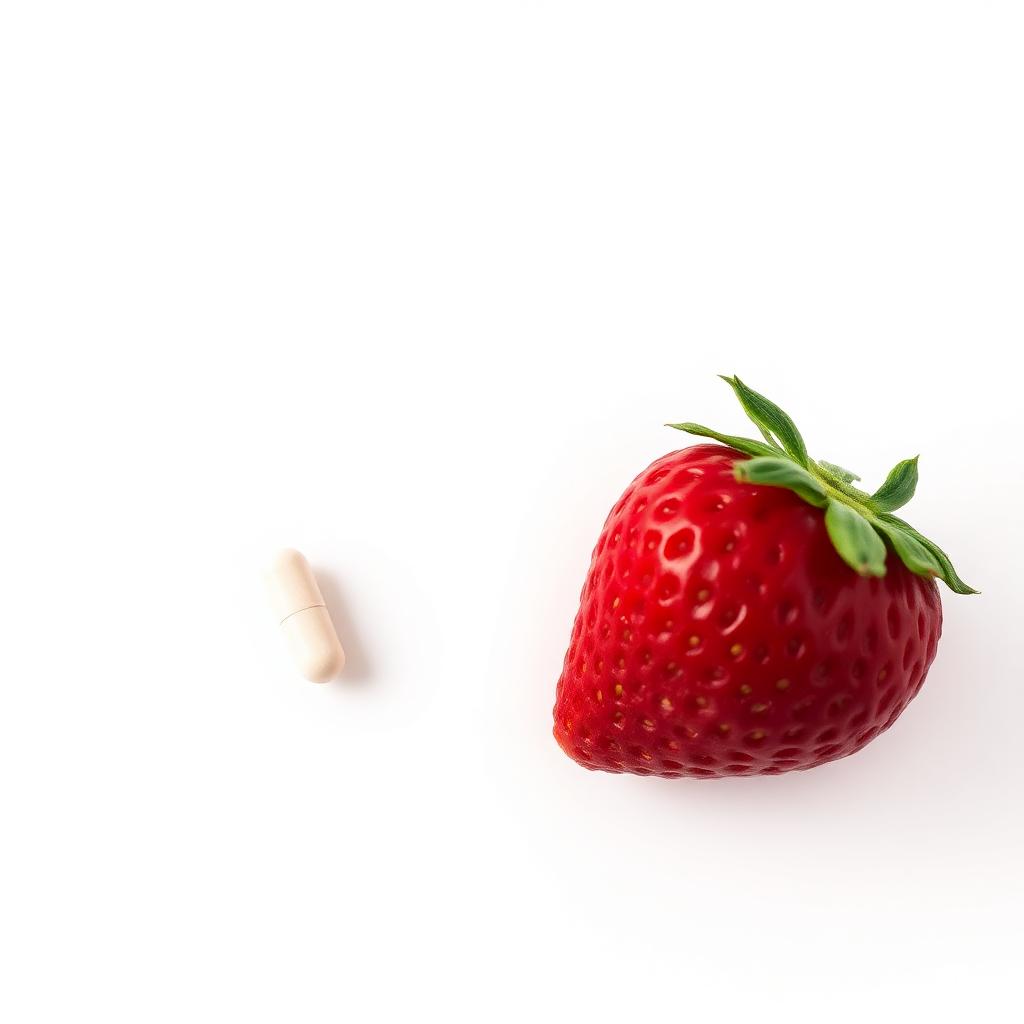
I'm not telling you to go full vegan. I'm saying that the objections against plant-based eating don't hold up to science.
Sunday: Your Raw-Food Reset
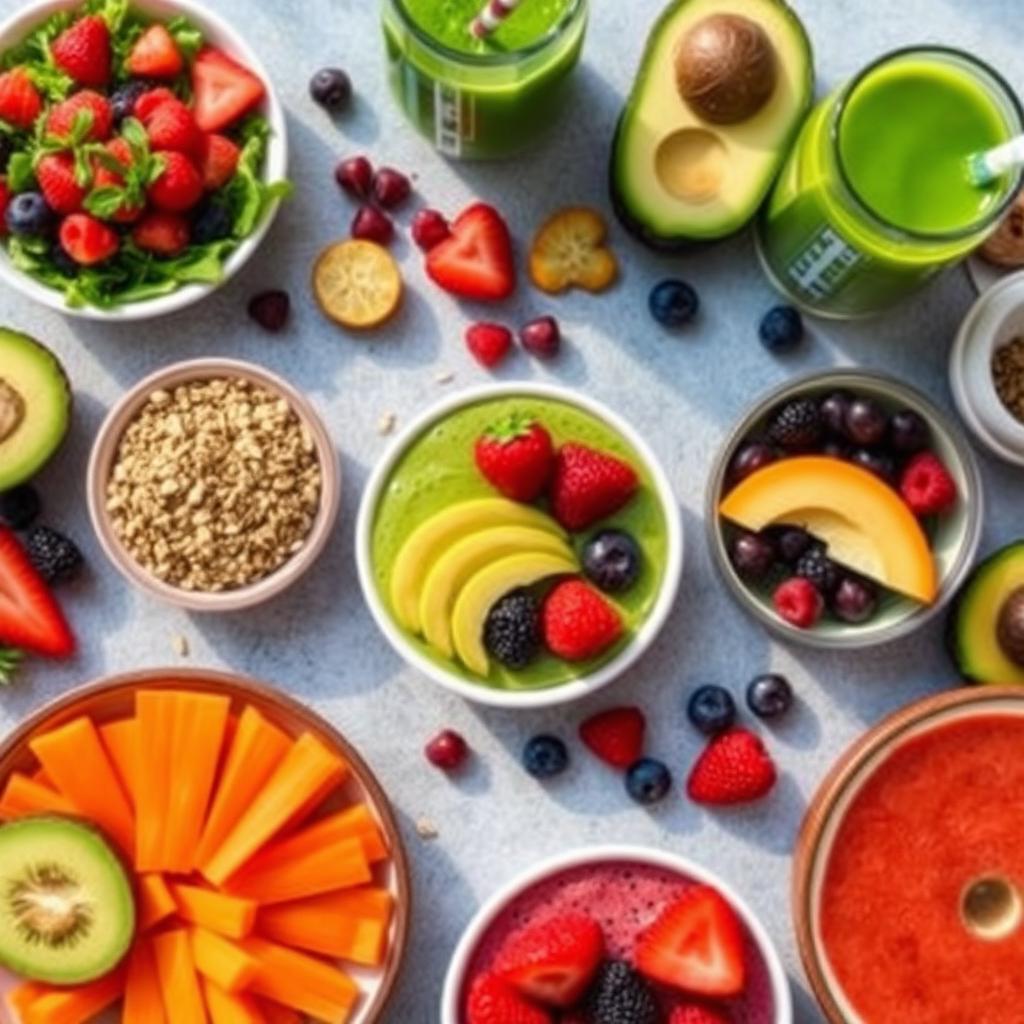
I've always recommended taking Sunday as a 100% raw food day on my Super 7-Week Shape-Up System, eating unlimited fruits, veggies, salads, smoothies, sprouts, and peppers. Give your digestive system a day off, and it will thank you with more energy, better digestion, and a lighter feeling — physically and mentally.
The next time someone asks about your protein, your calcium, or your digestion… smile, take another bite of that leafy green goodness, and say: "Duh."
Ready to put your digestion to work? Try SUPER 7 FREE for a Smart-Simple-Speedy-Safe daily starting point: no gym, no equipment, no downloads - just open and go.
In Health & With Hope,
Doug :-)
Finding the Right Pace for Senior Fiber Intake
When you decide to increase your senior fiber intake, the golden rule is to go slow and stay hydrated. Jumping from a low-fiber routine to a plate stacked high with raw brassicas overnight can cause gas or abdominal discomfort. Your digestive system needs time to adapt to extra plant roughage.
Start by adding one extra serving of whole plant foods to your day. That could be a small bowl of berries in the morning, a side of steamed broccoli at dinner, or adding lentils to a warm vegetable soup. As you add fiber, be sure to drink plenty of fresh water throughout the day. Water helps fiber do its job of keeping your digestive tract moving comfortably.
- Gradually increase high-fiber foods over two to three weeks to prevent bloating.
- Pair high-fiber meals with a full glass of water or herbal tea.
- Light movement, like a gentle ten-minute walk after meals, aids natural digestion.
If you have specific gastrointestinal concerns, check with your healthcare provider before making sudden changes to your daily meal plan. Listen to your body and give yourself time to adapt.
Simple Habits for Digestive Health in Older Adults
Maintaining good digestive health for older adults involves more than just what you put on your plate; it is also about how you move your body. Gentle physical activity naturally massages your internal organs and helps keep the muscles of your digestive tract working efficiently.
You do not need intense workouts to keep things moving. Simple, safe habits performed right in your living room or kitchen can make a world of difference. Try standing near a sturdy kitchen counter or heavy chair for balance and performing gentle knee lifts or easy torso twists. These controlled movements help stimulate circulation throughout your midsection.
- Hold onto a sturdy countertop while doing slow, controlled standing marches.
- Chew your food thoroughly to give your stomach an easy head start.
- Maintain a consistent daily schedule for meals and gentle morning movement.
Always listen to your body and prioritize safety. Sharp pain is never something to work through, so rest whenever needed and keep your medical team informed about persistent issues.
Unlocking the Daily Plant Fiber Benefits
The wide range of plant fiber benefits extends far past basic bowel regularity. Soluble fiber, found in foods like oats, beans, and apples, forms a soothing gel in your digestive system that helps manage blood sugar levels and maintain healthy cholesterol. Insoluble fiber, abundant in leafy greens and root vegetables, acts like a natural brush that keeps your system clear.
When you nourish your gut microbiome with diverse plant fibers, you also support your body’s ability to absorb essential minerals like calcium and magnesium. This synergistic effect promotes bone density without relying heavily on dairy foods that can sometimes cause sluggishness or gut inflammation.
- Enjoy dark leafy greens like collards, kale, and bok choy for fiber and plant calcium.
- Include a small portion of beans or legumes in your lunch or dinner soup.
- Choose whole fruits with skin rather than processed fruit juices.
This week, try introducing one new colorful vegetable to your grocery basket. Small, consistent choices build lasting health and vitality for years to come.
For general background, see NIDDK - Eating, Diet, & Nutrition for Constipation.
FAQ: Questions I Get Asked Most
How much fiber should seniors aim for each day?
Aiming for proper dietary fiber for older adults generally means targeting 21 to 30 grams per day, depending on your age and sex. However, if your current intake is low, build up slowly over several weeks. Increasing plant foods step-by-step while drinking extra water ensures your digestive system stays comfortable without gas or bloating.
Can eating too much plant fiber cause stomach trouble?
Yes, jumping into a high-fiber plant diet too quickly can cause temporary gas, bloating, or abdominal fullness. The key is gradual progress. Slowly increase your intake of leafy greens, vegetables, and legumes over a few weeks while drinking plenty of water to give your gut microbiome time to adjust comfortably.
How do I get enough calcium without consuming dairy?
You can easily get calcium directly from plant sources like dark leafy greens, almonds, tofu, sesame seeds, and fortified plant milks. Vegetables like bok choy, collard greens, and kale offer absorbable calcium along with rich fiber and antioxidants, supporting strong bones and healthy digestion without needing dairy.
What are easy high-fiber foods if raw vegetables are hard to chew?
If raw vegetables are tough to chew, try steaming, light baking, or slow cooking them until tender. Steamed carrots, cooked lentils, oatmeal, baked sweet potatoes, and fruit smoothies are gentle on teeth and easy to digest while still delivering essential plant fiber to keep your gut healthy.

About the Author: Douglas Jones, BS, MA, CSCS
Douglas Jones earned his Master's Degree in Exercise Physiology from the University of Maryland and is a Certified Strength and Conditioning Specialist. As an Exercise Physiologist and Concierge Fitness Professional based in Kaua'i, he has helped thousands of clients in person and millions online build simple, science-based habits for strength, stamina, stretching, and sustenance.
Doug is the founder of the Super 7 System — a complete training system you can do at home in as little as 7 minutes a day.
Watch his free intro and start free at Super7System.com.
Medical disclaimer: This article is educational only and is not medical advice, diagnosis, or treatment. Stop any movement that causes pain, and check with your healthcare provider before starting new exercise or changing your diet.
Seven honest minutes at your own counter. Try Super 7 Free →