Eating Colorful Fruits and Vegetables: Senior Health Tips
By Doug Jones
Q: What are the health benefits of eating a colorful diet for seniors?
A: Eating a variety of colorful fruits and vegetables ensures seniors receive a diverse range of phytonutrients and antioxidants that protect cell health.
What's In This Article
- Doug's original column: The Garden Island
- Why a rainbow diet for seniors builds lasting strength
- Harnessing phytonutrients for older adults to protect vitality
- Practical tips to increase your senior fruit vegetable intake
- FAQ: the questions I get asked most
Aloha! When it comes to staying strong and vibrant into your seventies, eighties, and beyond, eating colorful fruits and vegetables is one of the simplest habits you can build right in your own kitchen. Out here on Kaua'i, our local markets are bursting with natural color, but no matter where you live, your grocery aisle holds that exact same healing potential.
In the column below, I set up a simple seven-week challenge to get more natural color onto your plate every single day. Taking care of your body isn't just about movement; it's about giving your muscles and joints the real food fuel they need to keep you active.
Take a moment to read through these easy steps. Small, deliberate choices made today will pay off in how steady, strong, and energetic you feel tomorrow.
Start free at Super7System.com, or take the free fitness sampler and see the full program details.
Original Column: The Garden Island

KEIKI TO KUPUNA:
KAUAI'S KALEIDOSCOPE OF KAU KAU!

Aloha to all keiki and kupuna, from the not too old to the not so young, and to all the folks in between. I invited you all to tomorrow’s Super Sunday Sunset Stroll (9/3 at 6:00 pm), beginning near the Kapa`a Pool near Chicken in a Barrel on Kou Street. Bring some water… and some friends!!
Today, I challenge each member of our island’s 'ohana to adopt three simple sustenance goals for the next 7 weeks. Let’s all embrace the vibrant world of raw, colorful fruits and veggies, bursting with rainbows of life-sustaining nutrients, phytonutrients, and enzymes. It’s as easy as 1, 2, 3…
1. Start each day by eating a piece of raw, juicy fruit before anything… to jump start your body in the morning.
2. Start each meal or snack by eating raw veggies or salads before anything else… to digest the best before the rest.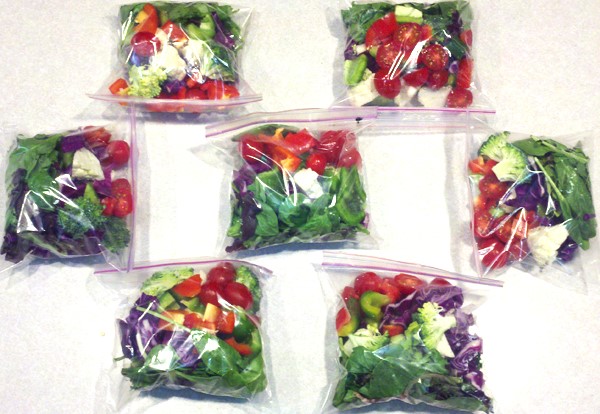

That's it! 7 colors of fruits! 7 colors of veggies! Make a chart. Keep it simple. Hang it on your fridge. This is the true game of life for your entire family to enjoy. The Garden Island offers a palette to your palate, with numerous farmers markets showcasing a kaleidoscope of kau kau (food).
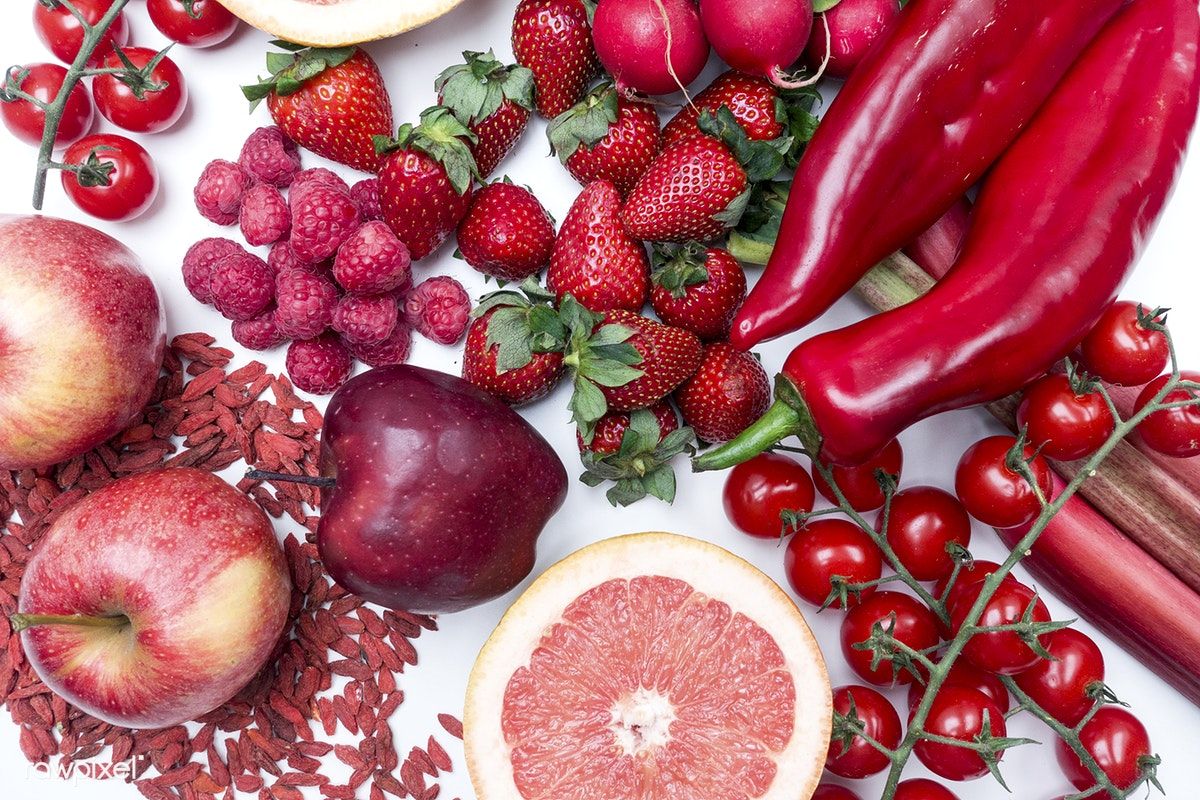
Radiant Reds: These ruby treasures are more than delicious; they're nutritional powerhouses. Packed with lycopene, your body is shielded with superhero strength. Your immune system gets doused with vitamin C, while dietary fiber keeps digestion in full swing. Plus, reds are rich in potassium for healthy blood pressure, antioxidants to protect your cells, vitamin A for sharp eyes, and folate for cell health.
- Fruits: Strawberries, Cherries, Raspberries, Pomegranates, Cranberries, Tomatoes!
- Vegetables: Red Peppers, Beets, Red Cabbage, Radishes, Red Onions, Chili Peppers!
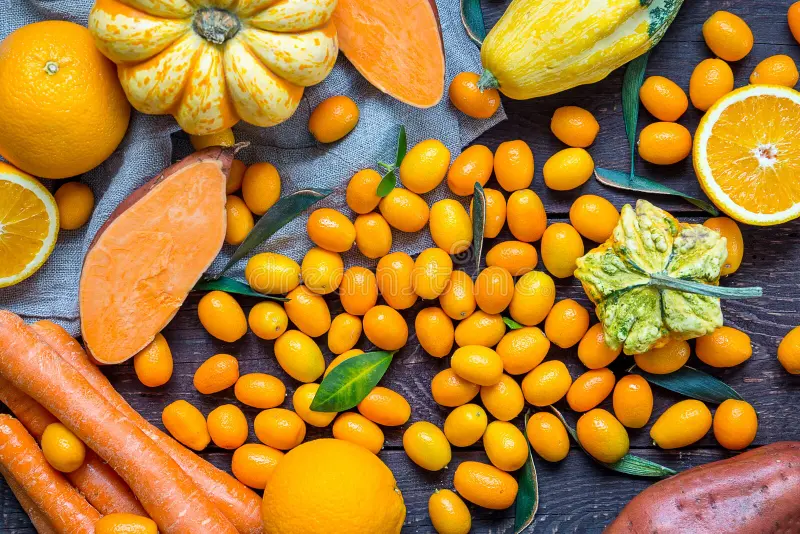
Outstanding Oranges: Imagine biting into bursts of sunshine and visionary shades, with cheerful and crunchy brightness unleashing spurts of immunity-boosting nutrients. These orangey treats are often loaded with beta carotene, a precursor to vitamin A and a guardian of your eyesight.
- Fruits: Oranges, Mangos, Papayas, Apricots, Peaches, Cantaloupes, Orange Tomatoes!
- Vegetables: Carrots, Baked Sweet Potatoes, Butternut Squash, Orange Peppers, Acorn Squash!
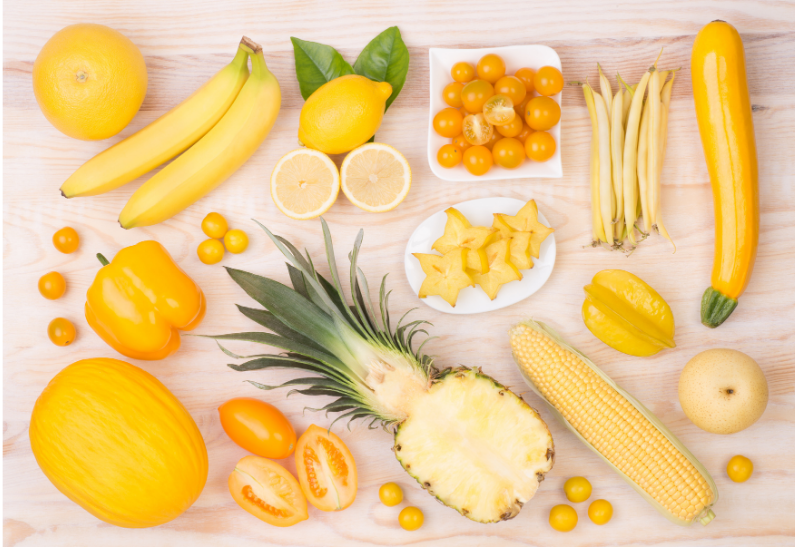
Yummy Yellows: Celebrate the radiance of Kauai while yearning the island's tropical goodness. Yellow’s nutriments include hearty doses of vitamin C to bolster your defenses, along with potassium, your ally for heart and muscle health. These sun-kissed delights also contain beneficial antioxidants, like beta carotene, known for promoting healthy skin and eyes.
- Fruits: Bananas, Lemons, Pineapples, Golden Apples, Yellow Plums, Starfruits, Yellow Kiwis!
- Vegetables: Corn, Yellow Peppers, Yellow Squash, Yellow Zucchini, Yellow Beets, Yellow Wax Beans!
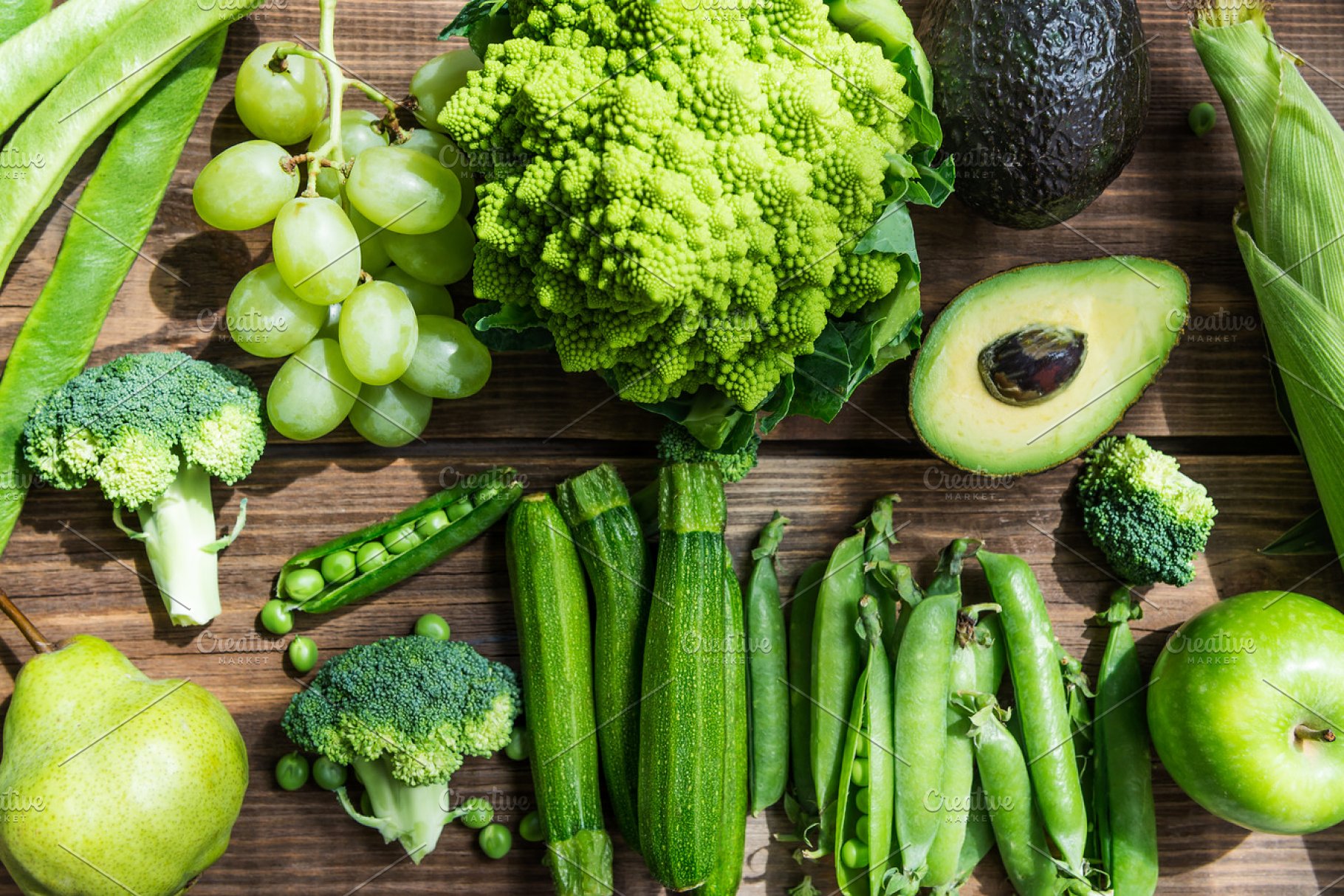
Glorious Greens: Verdant greens are your gateway to an enchanted forest of nutrition. As you indulge, you absorb chlorophyll, a potent antioxidant that acts as a guardian, shielding and detoxifying your body. With every bite, you embark on a journey toward vibrant health, propelled by dietary fiber that keeps you content from the inside, out.
- Fruits: Kiwis, Green Apples, Green Grapes, Limes, Avocados, Honeydew Melons, Green Pears!
- Vegetables: Broccoli, Spinach, Kale, Green Beans, Peas, Zucchini, Cucumbers!
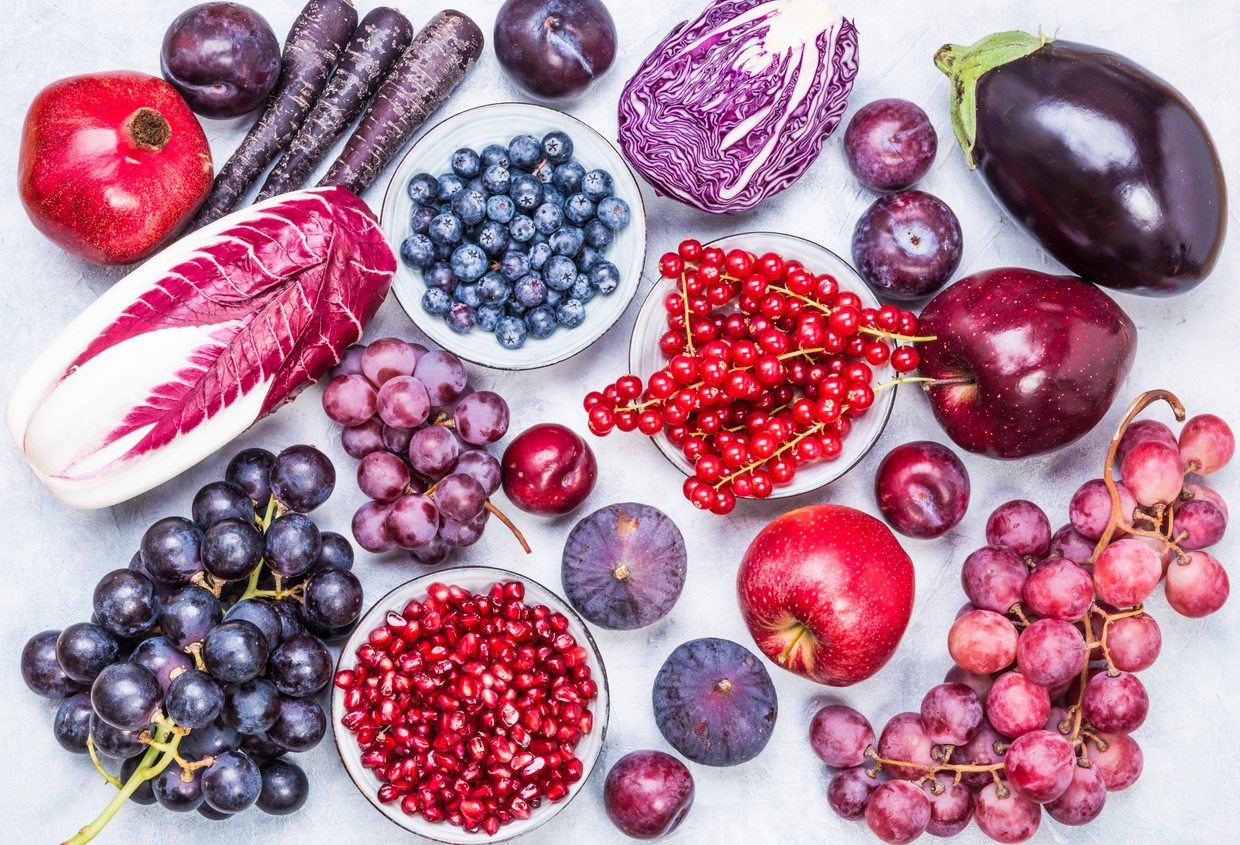
Bodacious Blurples: This paradisiacal pair reigns with majestic waves of blue and purple royalty. Loaded with anthocyanins, powerful antioxidants, they perform as neurological coaches for your brain, keeping it sharp and agile. Vitamin C acts as your lifeguard, ensuring that your immune system rides high, while dietary fiber keeps your belly balanced like a pro surfer.
- Fruits: Blueberries, Blackberries, Purple Grapes, Plums, Acai Berries, Black Currants!
- Vegetables: Purple Cabbage, Purple Cauliflower, Purple Asparagus, Purple Carrots, Purple Peppers, Okinawan Purple Sweet Potatoes! :-)
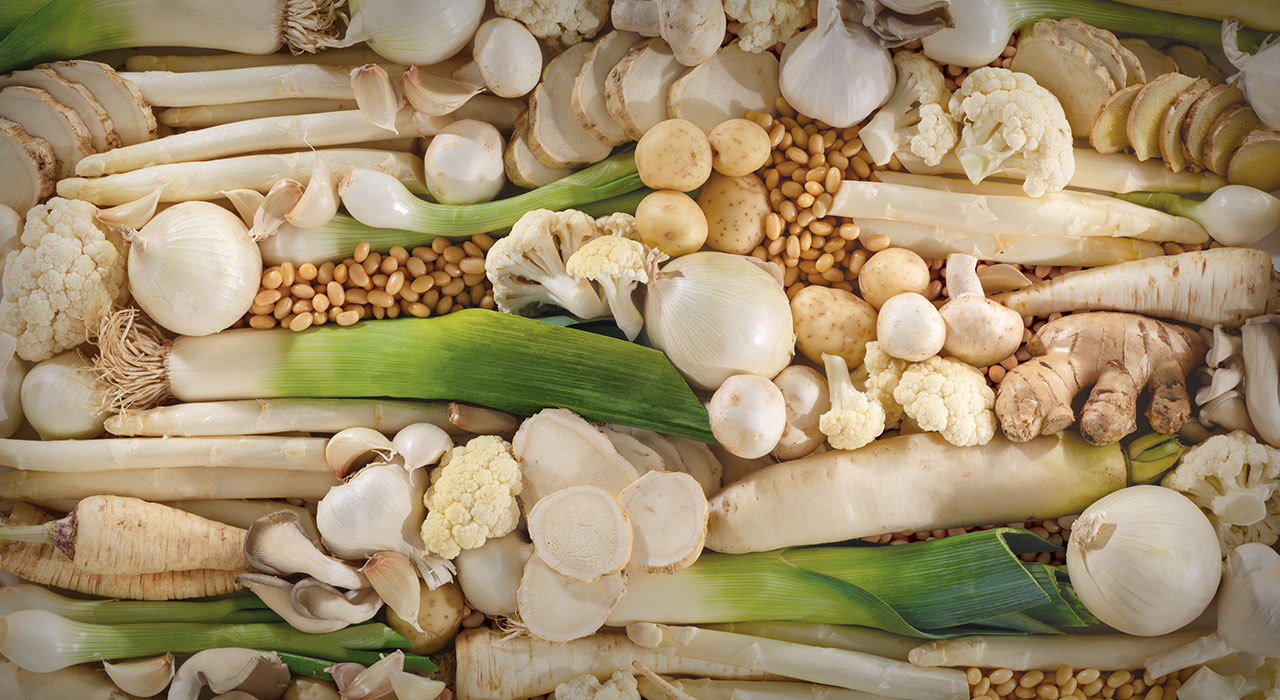
Pristine Pales: Though not flaunting the most vibrant of hues, these subdued canvases still pack a colorful punch. Most notably, garlic and onions bring allicin to the table, offering anti-inflammatory, antioxidant, antimicrobial, and antibacterial effects. They help manage cholesterol and regulate blood pressure, promoting heart health and overall well-being. Savor their flavors!
- Fruits: Coconuts, Asian Pears, Lychees, White Nectarines, White Raspberries, White Currants!
- Vegetables: Cauliflower, Garlic, Onions, Jicama, Baked Potatoes, White Radishes, Turnips!
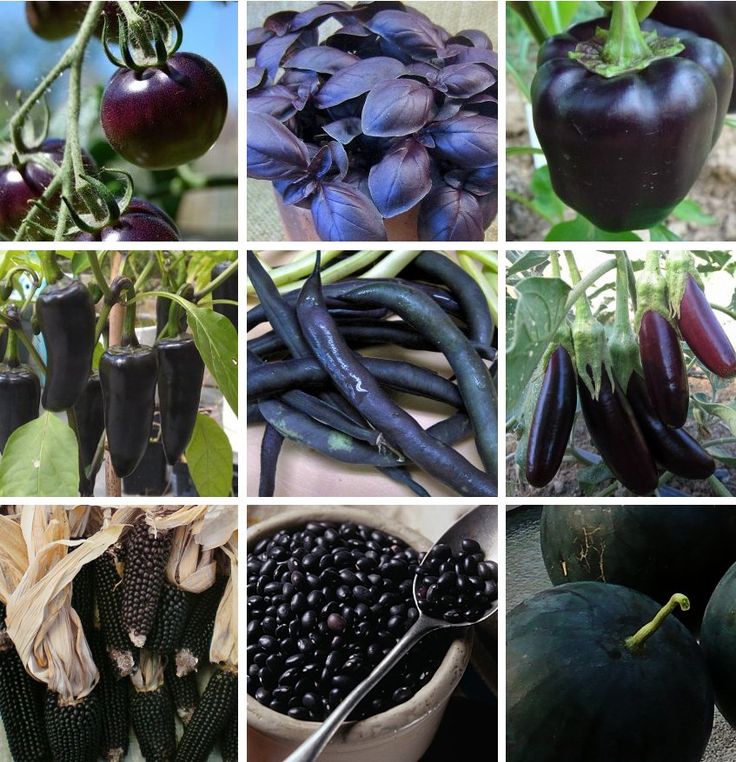
Delightful Darks: The deeper dusks of these dense dietary delectables are a treasure trove of antioxidants, vitamins, and minerals, enriching innumerable aspects of your well-being, from brain function to heart health. While dried fruits offer concentrated nutrients, they pack more calories into less space, so enjoy them in moderation.
- Fruits: Blackberries, Black Grapes, Dates, Prunes, Raisins, Figs, Black Currants, Dark Cherries!
- Vegetables: Black Eggplant, Portobello Mushrooms, Dark Potatoes, Black Radishes, Kale, Swiss Chard!
Now, that’s a mouthful!!

Enjoy!!
In Health & With Hope,
Doug :-)
CLICK HERE to DOWNLOAD

Ready to put your nutrition to work? Try SUPER 7 FREE for a Smart-Simple-Speedy-Safe daily starting point: no gym, no equipment, no downloads - just open and go.
In Health & With Hope,
Doug :-)
Why a rainbow diet for seniors builds lasting strength
When we talk about a rainbow diet for seniors, we are looking at a plain-spoken approach to daily nutrition that supports healthy aging from the inside out. Every distinct color in nature signals a different set of protective nutrients. Red foods support your circulation, blues and purples keep your mind sharp, and leafy greens give your bones and digestive system the daily support they rely on.
Eating a broad range of natural foods helps lower systemic inflammation, which is often the silent culprit behind stiff joints and morning aches. When your body experiences less internal stress, moving around, walking, and working on your daily balance becomes far more comfortable.
Here are a few gentle ways to bring more color into your routine safely:
- Keep stable support nearby, like a firm counter, when slicing firmer roots like sweet potatoes or squash.
- Choose fresh, soft options like ripe papaya, bananas, or steamed berries if chewing hard produce creates discomfort.
- Steam or lightly sauté tough cruciferous vegetables like broccoli or purple cabbage to make them easier on digestion.
Always listen to your body and check with your healthcare provider or dietitian if you have specific dietary restrictions or take medications that interact with leafy greens.
Harnessing phytonutrients for older adults to protect vitality
Phytonutrients for older adults act like a personal defense team, helping protect your cells against everyday wear and tear. These naturally occurring compounds found in plants—such as lycopene in red tomatoes, beta-carotene in orange carrots, and anthocyanins in dark berries—do far more than just look inviting on a plate. They help keep your blood vessels flexible, maintain vision, and bolster your immune response.
As we age, our bodies need higher concentrations of quality nutrients to maintain muscle quality and repair tissues after daily activity. By pairing daily movement with nutrient-dense meals, you give your body the exact raw materials it needs to recover comfortably.
Try these simple prep safety steps in your kitchen:
- Sit down at a sturdy table while prepping vegetables to prevent fatigue or loss of balance while chopping.
- Use non-slip mats under your cutting board so nothing shifts under your hands.
- Rinse produce thoroughly under cool water to keep your food clean and safe.
Focus on variety over perfection. Adding even one extra serving of deep purple or bright yellow produce each day adds vital antioxidants that keep you active, nimble, and ready for your daily walks.
Practical tips to increase your senior fruit vegetable intake
Boosting your senior fruit vegetable intake does not mean you have to overhaul your entire eating routine overnight. Small, steady adjustments are always safer and more sustainable than drastic changes. The goal is simply to ensure every meal includes a colorful plant food before you move on to heavier dishes.
Eating fresh produce early in the day gives your digestive system a clean jump-start. Fiber helps regulate blood sugar, supports heart health, and maintains smooth digestion, which directly affects how light and energetic you feel during your morning stretches or neighborhood walks.
Here is a practical checklist for this week:
- Start your morning with one piece of soft fruit, like a slice of melon or a ripe orange, before drinking coffee.
- Place a small side salad or fresh sliced cucumbers on your table before serving dinner.
- Keep a simple paper chart on your refrigerator to check off seven different plant colors each week.
- If standing for long periods makes you tired, prep your fruits and veggies while seated safely at the kitchen table.
Remember to move at your own pace and discuss any major dietary changes with your doctor, especially if you manage diabetes or digestive sensitivity.
For general background, see The Dietary Guidelines for Americans emphasizes consuming a colorful variety of vegetables and fruits daily to support healthy aging and disease prevention..
FAQ: Questions I Get Asked Most
How does eating colorful fruits and vegetables benefit older adults?
Eating colorful fruits and vegetables supplies essential vitamins, fiber, and phytonutrients that protect aging cells, support joint mobility, and boost heart health. Different natural colors provide specific antioxidants—like anthocyanins for brain health and beta-carotene for eyesight—helping seniors maintain high energy, steady balance, and resilient immunity as part of an active lifestyle.
How can seniors safely increase fiber from raw produce without stomach upset?
Increase your raw produce intake gradually over several weeks to give your digestive tract time to adjust. Drink plenty of fresh water throughout the day to help fiber move smoothly. If raw vegetables feel too harsh, lightly steam or blend them into smooth soups while keeping the vibrant plant colors intact.
What are the best colorful fruits and vegetables for heart health in your 70s and 80s?
Deep red and dark purple produce—such as tomatoes, beets, blueberries, and purple sweet potatoes—are excellent choices for heart health. They contain potassium and potent antioxidants that support healthy blood pressure and blood vessel elasticity. Garlic and onions also provide allicin, which helps maintain cholesterol levels naturally.
What precautions should older adults take when preparing fresh produce at home?
Work while seated at a dining table if standing at the counter causes fatigue or back strain. Secure cutting boards with damp towels or rubber grippers to prevent sliding. Use lightweight, sharp knives to avoid straining wrists, wash all produce thoroughly under running water, and consult your doctor regarding food-medication interactions.

About the Author: Douglas Jones, BS, MA, CSCS
Douglas Jones earned his Master's Degree in Exercise Physiology from the University of Maryland and is a Certified Strength and Conditioning Specialist. As an Exercise Physiologist and Concierge Fitness Professional based in Kaua'i, he has helped thousands of clients in person and millions online build simple, science-based habits for strength, stamina, stretching, and sustenance.
Doug is the founder of the Super 7 System — a complete training system you can do at home in as little as 7 minutes a day.
Watch his free intro and start free at Super7System.com.
Medical disclaimer: This article is educational only and is not medical advice, diagnosis, or treatment. Stop any movement that causes pain, and check with your healthcare provider before starting new exercise or changing your diet.
Seven honest minutes at your own counter. Try Super 7 Free →