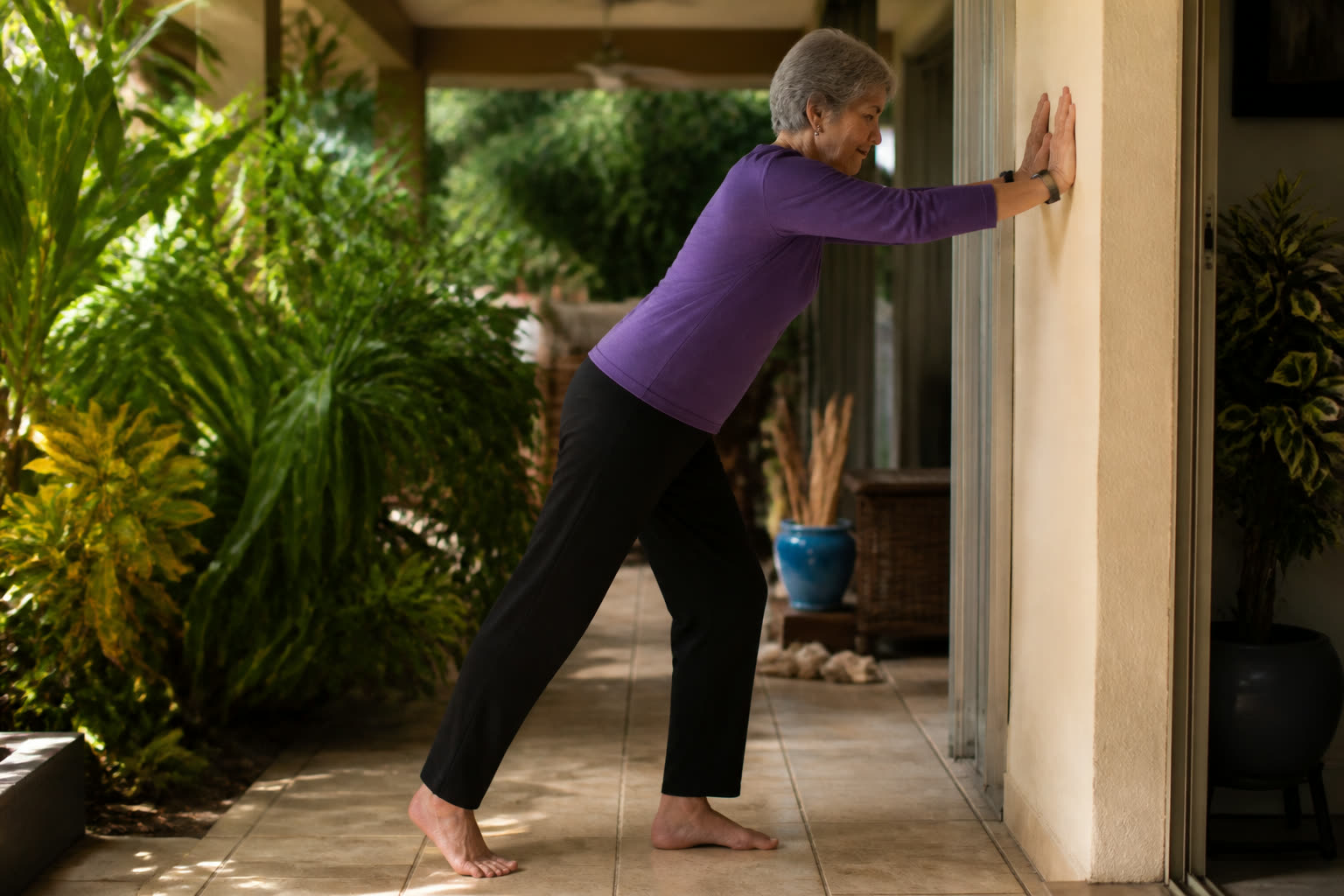
Eccentric Exercise for Seniors: Lower Weights for Strength
By Doug Jones
Q: What makes eccentric exercise effective for older adults?
A: Eccentric exercises emphasize the controlled lengthening of muscles, building functional strength with lower cardiorespiratory demand and less joint fatigue.
What's In This Article
- Doug's original column: MUSCLE SORENESS: THE FIRST SHALL BE LAST!
- Understanding Muscle Adaptation in Older Adults
- Practical Steps for Safe Eccentric Strength Training
- Smart Strategies for Reducing Exercise Soreness in Seniors
- FAQ: the questions I get asked most
Aloha! If you have ever wondered why your muscles felt tender after trying eccentric exercise for seniors, you are in good company. Many folks here on Kaua'i ask me if losing that post-workout soreness means their strength routine stopped working.
My friend Penny from Po`ipū wrote in with that exact question. She noticed that the day-after stiffness she felt when starting out had completely disappeared, even though she was staying consistent with her workouts.
Below is my original column written for Penny. We dive into why your body gets comfortable with lowering weights slowly, and why losing the ache is actually a wonderful sign of progress.
Start free at Super7System.com, or take the free fitness sampler and see the full program details.
Original Column: MUSCLE SORENESS: THE FIRST SHALL BE LAST!


MUSCLE SORENESS:\nTHE FIRST SHALL BE LAST!
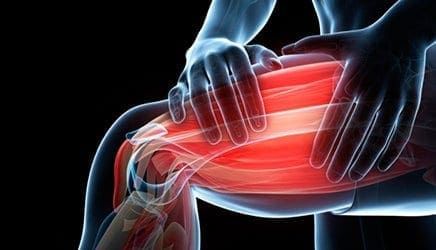
Dear Doug,
Mahalo for your continued Health & Hope coaching. Thanks to you, I’ve been working out regularly since January. Long story short, I used to get really sore the day after my workouts but I don’t anymore. Does this mean that I’m no longer getting the same results as I did when I started? I like being sore to know that I’ve done something.
Penny (for your thoughts) from Po`ipū -
Aloha Penny,
Congrats on your resolve for 2024! Without knowing any details, I’m going to intuitively assume that you’ve been following the smartest, simplest, speediest, and safest scientific solutions shared in my columns to date. Kudos.
As a result, you are aware that strength training is the secret to fitness, function, and fat loss. More importantly, you’ve learned that slowly lowering weight is the super duper secret to strength training. You know that lengthening muscle, under tension, by slowly lowering weight, moves the ends of a muscle away from its center. For myriad motives, incorporating this off-center “eccentric muscle action” should be the foundation of every fitness regimen, as it is truly the best way to exercise for everybody and every body.
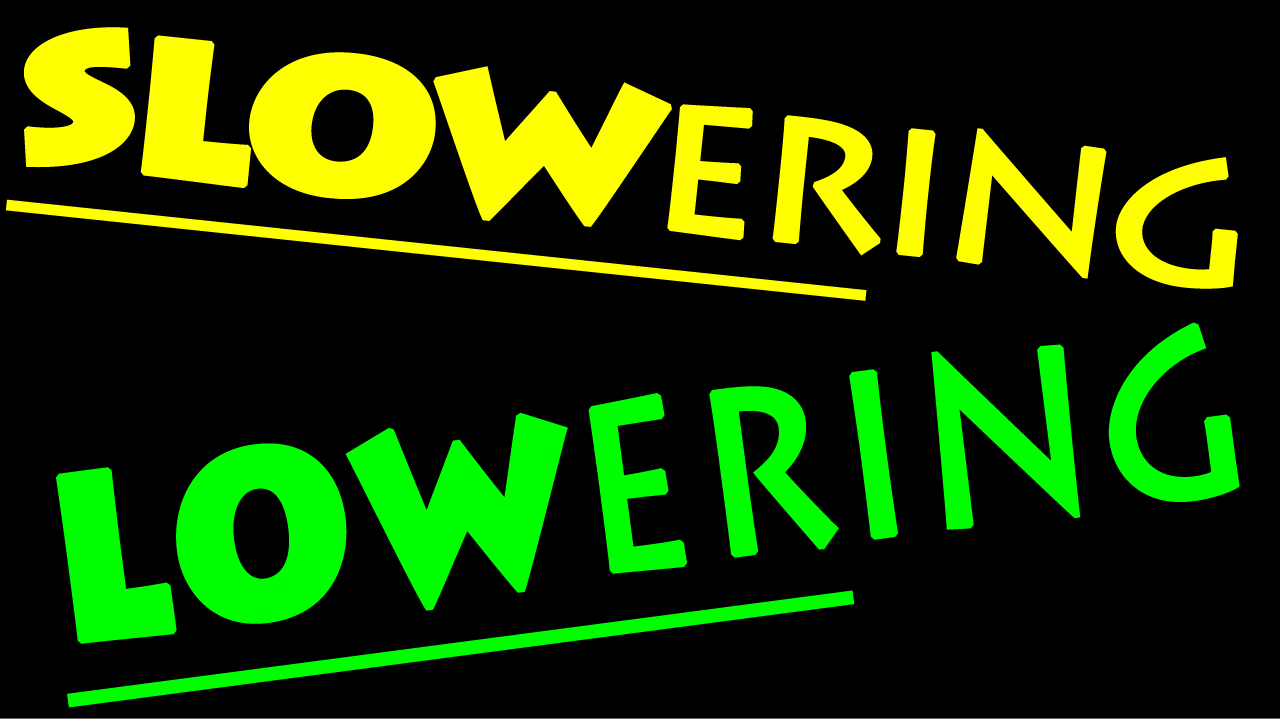
Now that we’re all on the same page, let me take this moment to plagiarize myself by sharing a section from one of my books, “Exercise Your Eccentric Genius… in Strength.” Please read each paragraph below a couple of times. Even the concept of ‘slowering lowering’ is eccentric in and of itself. Slow down! Slow down! Slow down!
So, right from the horse’s mouth,
enjoy Doug’s two cents
for a Poi`pū Penny:
Let me be the first to break the news: Eccentrics is able to make your muscles sore like no other form of exercise, with an intrinsic ability to transform muscles literally overnight. Thankfully, soreness is always temporary and not always mandatory.
Resisting a resistance as muscles lengthen (the foundation of Eccentrics in Strength) is the primary mechanism responsible for beneficial muscle “damage.” Short-term destruction is countered with long-term construction. In other words, Eccentrics provides the temporary stimulus for more permanent structure and strength.
Even though Eccentrics can feel deceptively easy, you may soon be reminded of just how hard it really is, and was. Lengthening muscle by lowering weight is the internal instrument that instigates soreness, specifically termed Delayed Onset Muscle Soreness (DOMS).
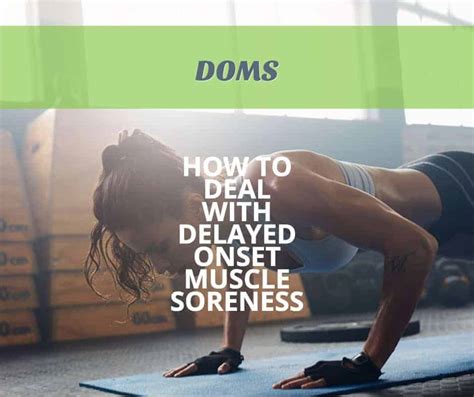
For a period of 1-5 days after your first hard Eccentrics workout, if you’re normal, you’re really going to feel it. Like you, some people enjoy this feeling. Most don’t. Regardless, if you choose to increase the intensity of your exercises too quickly, you will become sore. To help avoid this feeling, please progress very slowly.
Additionally, with DOMS, what you feel is what you get, as there is no conventional preventative or recuperative measure of merit. Warming up, cooling down, stretching before, stretching after, packing ice, padding heat, or even taking anti-inflammatory medications offer little relief. You might feel better, but you’ll still feel sore.

However, with Eccentrics, soreness is always temporary and transient. In addition to being the best type of exercise for inducing soreness, Eccentrics also has the privilege of being the only type of exercise for preventing soreness. Yes, the activity that gives the gift of DOMS in the present is the exact same activity that rewards, with reprieve of DOMS, in the future. Eccentrics both causes… and cures.
When you first exercise intense Eccentrics, you will no doubt become sore. When you again exercise Eccentrics, you will no longer become sore. Your tremendous results will continue, as you realize more gain with less pain.
For any given exercise, or exercise intensity, your first stretch of soreness should also be your last. Eccentrics actually inoculates muscles against DOMS for up to several weeks, perhaps by destroying the weakest fibers in the muscle, which are subsequently replaced by more resilient ones. These new muscle cells resist and reduce future muscle damage and soreness.
That said, if you don’t use them, you’ll lose them… so stay consistent. If, by choice or by chance, you ever take a few weeks off from your regular routine of Eccentrics, prepare to be sorely reminded of your hiatus.
When you “Exercise Your Eccentric Genius,” you simultaneously create and prevent muscular soreness, thereby training outside of your comfort zone once, and for all. Just as the good book says, the first… shall be last.


Ready to put your strength to work? Try SUPER 7 FREE for a Smart-Simple-Speedy-Safe daily starting point: no gym, no equipment, no downloads - just open and go.
In Health & With Hope,
Doug :-)
Understanding Muscle Adaptation in Older Adults
When you start lowering weights under control, your body undergoes a remarkable process known as muscle adaptation in older adults. On a microscopic level, those gentle, slow eccentric movements place a unique strain on your muscle fibers. Your body responds by rebuilding those fibers to be stronger, tougher, and far better prepared for the next time you move.
This protective response is why you stop feeling sore after your first few weeks of consistent practice. It does not mean your workout lost its potency. In fact, it means your muscles have adapted and become more resilient to everyday life.
Here is what you can do this week to keep building strength safely:
- Stay consistent with your routine so your muscles maintain this protective shield.
- Focus on smooth, four-second lowering phases rather than adding heavy weight.
- Keep a sturdy chair or counter nearby for balance whenever trying new movements.
Remember, if you take a few weeks off, that protective adaptation fades away. Consistency keeps your joints happy and your muscles strong without the ache.
Practical Steps for Safe Eccentric Strength Training
Lowering a weight slowly gives your body maximum benefit with minimal strain on your joints, but safety always comes first. Practicing safe eccentric strength training requires control, patience, and a stable setup.
When you lower yourself into a chair or ease a light weight back down, aim for a steady counting rhythm—one-one-thousand, two-one-thousand, three-one-thousand, four-one-thousand. Never drop down quickly or rush the return phase.
Keep these safety principles in mind during your home sessions:
- Position yourself next to a stable kitchen counter or solid table for support.
- Move strictly within a pain-free range of motion; discomfort in joints means it is time to back off.
- Breathe continuously throughout the movement—never hold your breath while resisting gravity.
If you ever feel a sharp jab or joint pain, stop immediately. Eccentric work should feel like a deep, controlled effort in the muscle belly, never a pinch in your knee, hip, or shoulder. If you have medical concerns, check in with your healthcare provider before trying new movements.
Smart Strategies for Reducing Exercise Soreness in Seniors
Many people believe that unless you wake up stiff and sore, your workout did not count. That is a myth we need to throw right out into the Pacific Ocean. Reducing exercise soreness in seniors is actually a sign of smart, effective training.
Delayed onset muscle soreness usually happens when you introduce a completely new movement or jump up in resistance too quickly. While mild tightness is normal when starting out, severe soreness can hamper your mobility and make daily tasks difficult.
To manage and minimize stiffness naturally, keep these practical habits in mind:
- Ease into new movements gently by starting with just your body weight.
- Space your exercise sessions out with rest days so your tissue has time to rebuild.
- Sip plenty of water throughout the day to keep muscle tissue well-hydrated.
You do not need to chase pain to build real, usable strength. By moving slowly and progressing step by step, your muscles adapt cleanly, allowing you to enjoy vibrant daily activity without paying a painful price tomorrow.
For general background, see NIH research demonstrates that eccentric resistance training enhances muscle mass and force production safely in aging populations..
FAQ: Questions I Get Asked Most
Why do I stop getting sore after doing eccentric exercise for seniors?
When you practice eccentric exercise for seniors, your muscles quickly adapt to the slow lowering motion. This process replaces fragile muscle fibers with stronger, more resilient ones. As your body builds this protective barrier, post-workout soreness disappears naturally. You are still gaining strength and building muscle tissue even when you no longer feel sore.
Does no soreness mean my strength training stopped working?
Not at all. A lack of soreness simply means your muscle fibers have adapted to the workload and built resilience. You continue to build muscle, protect your joints, and improve balance every time you lower resistance slowly under control. Muscle growth happens through steady tension, not through lingering pain.
How slow should I lower weights during my workouts?
Aim for a smooth three-to-four-second count as you lower the weight or lower yourself into a seat. Slowing down forces your muscle fibers to work against gravity across their entire length, giving you maximum strength benefits while keeping your joints safe and supported throughout the entire range of motion.
What should I do if I feel sharp pain during an exercise?
Stop the movement right away. Mild muscle effort is normal, but sharp pain in your joints or tendons is a warning signal to back off. Check your form, reduce the range of motion, or rest. Always consult your doctor or physical therapist if pain persists before resuming your exercise routine.

About the Author: Douglas Jones, BS, MA, CSCS
Douglas Jones earned his Master's Degree in Exercise Physiology from the University of Maryland and is a Certified Strength and Conditioning Specialist. As an Exercise Physiologist and Concierge Fitness Professional based in Kaua'i, he has helped thousands of clients in person and millions online build simple, science-based habits for strength, stamina, stretching, and sustenance.
Doug is the founder of the Super 7 System — a complete training system you can do at home in as little as 7 minutes a day.
Watch his free intro and start free at Super7System.com.
Medical disclaimer: This article is educational only and is not medical advice, diagnosis, or treatment. Stop any movement that causes pain, and check with your healthcare provider before starting new exercise or changing your diet.
Seven honest minutes at your own counter. Try Super 7 Free →