Exercise Guidelines for Kids: Safe Strength & Fitness Tips
By Doug Jones
Q: What are proper exercise guidelines for kids starting strength training?
A: Following clear exercise guidelines for kids ensures proper supervision, slow eccentric movements, and age-appropriate routines that safely build strength and boost confidence.
What's In This Article
- Doug's original column: Kids & Exercise
- Essential Youth Strength Training Rules
- Daily Physical Activity for Children Made Simple
- Building a Safe Workout Routine for Kids
- FAQ: the questions I get asked most
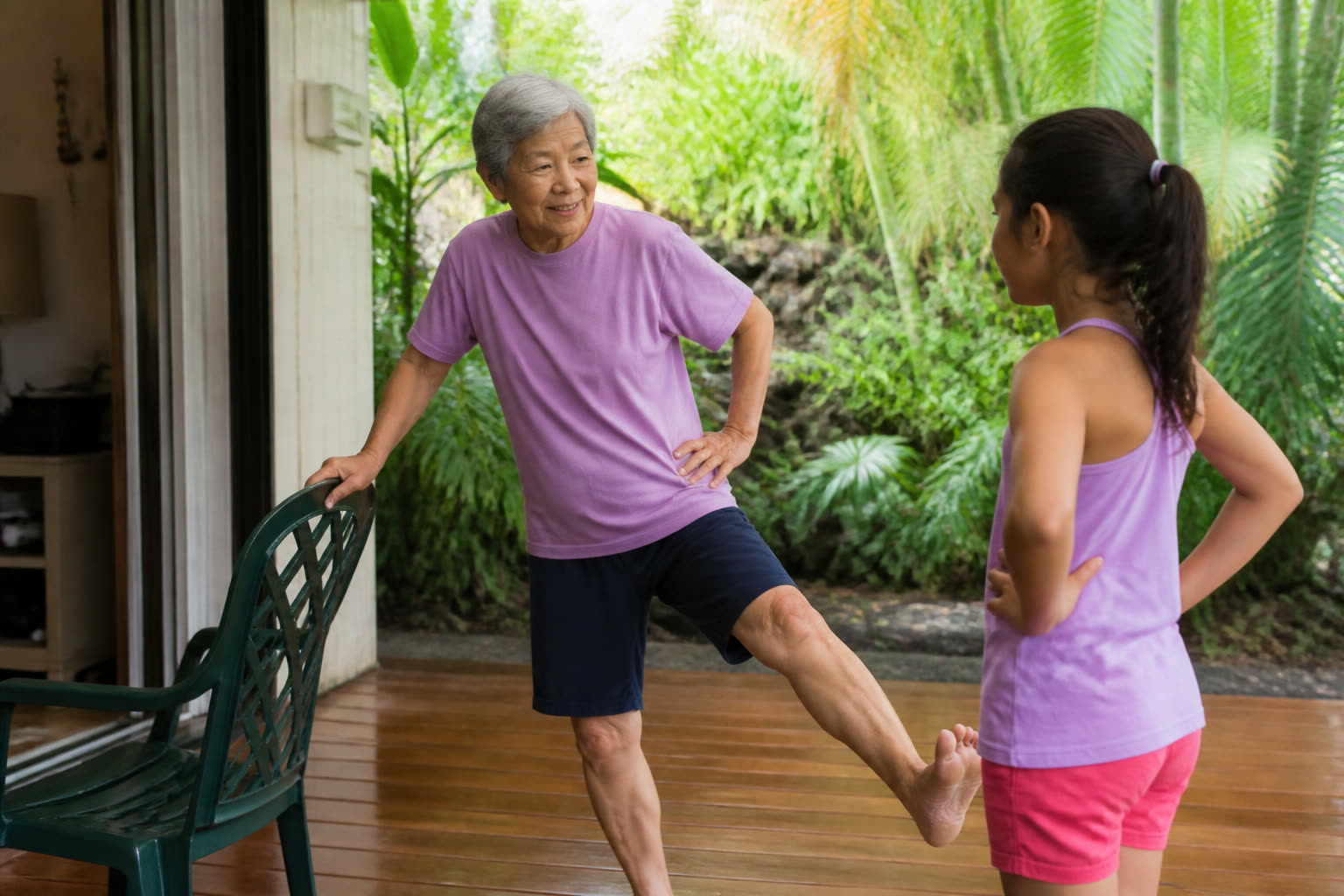
Following standard exercise guidelines for kids helps young people build strong bones, confident minds, and healthy habits that last a lifetime. When a child or grandchild asks to join your workout routine, it is a wonderful opportunity to bond and pass along the gift of physical well-being.
Up here on Kaua'i, I often see multi-generational families staying active together along the beaches and trails. But young, growing bodies are not simply mini-adults, and their training needs careful handling to stay safe and enjoyable.
Below is a column I wrote answering a parent about how to safely introduce youth to exercise without risking injury or burnout. Take a read, and let's keep our young ones moving safely.
Start free at Super7System.com, or take the free fitness sampler and see the full program details.
Original Column: Kids & Exercise
Aloha Doug,
I have a 12-year-old son who wants to start working out with me this summer. Are there any special guidelines for children his age to follow?
Mahalo... from Me & My Son!
Aloha... to You & Your Son,
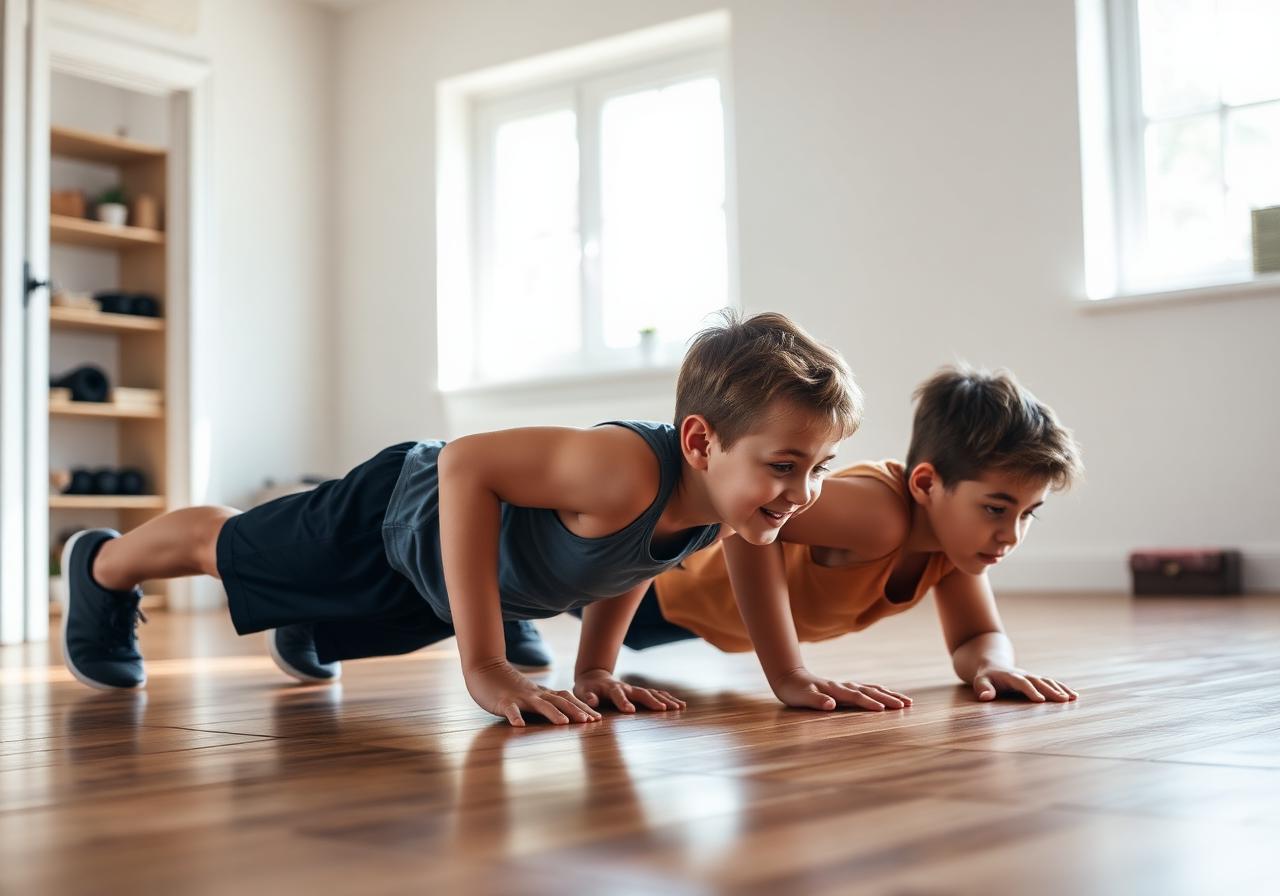
While most parents encourage their children to participate in extracurricular athletic activities, they are often unsure as to whether or not they should allow involvement in conventional "adult-type" exercise (weight training, intense cardio, etc.). Or, do children get more than enough exercise by just being active, playful kids?
Regardless of age, the benefits of a properly designed and supervised exercise routine outweigh any potential risks. Naturally, most children absolutely love to move. Physical activity is fun... until adults (or playing sedentary video games) make it something to dread. The benefits for children engaging in regular formal exercise are plentiful and definitely worth the time and effort:
- Improved body composition!
- Improved self-image & confidence!
- Reduced anxiety, tension, and depression!
- Improved circulo-respiratory power & endurance!
- Improved muscular strength, endurance, and flexibility!
- Improved motor skills & physical performance capacities!
- Reduced risk of injury during sports and recreational activities!
- Reduced likelihood of developing acute or chronic health conditions!
- Improved capacity to cope with the demands of daily physical activities!
The list goes on and on. A properly designed and supervised program can provide the foundation for safe, effective, and virtually risk-free exercise sessions for people of all ages, including children.
Research demonstrates that children respond to exercise in a similar manner as adults. Unfortunately, they also respond to inactivity much the same way, with high blood pressure, fatty arterial streaks, obesity, etc. We can all do our best to help children improve their health by teaching them positive attitudes toward activity, increasing awareness of all of the benefits of exercise and, most importantly, making fitness enjoyable and accessible for them.
When designing a training program specific to youth, a few additional guidelines should be considered:
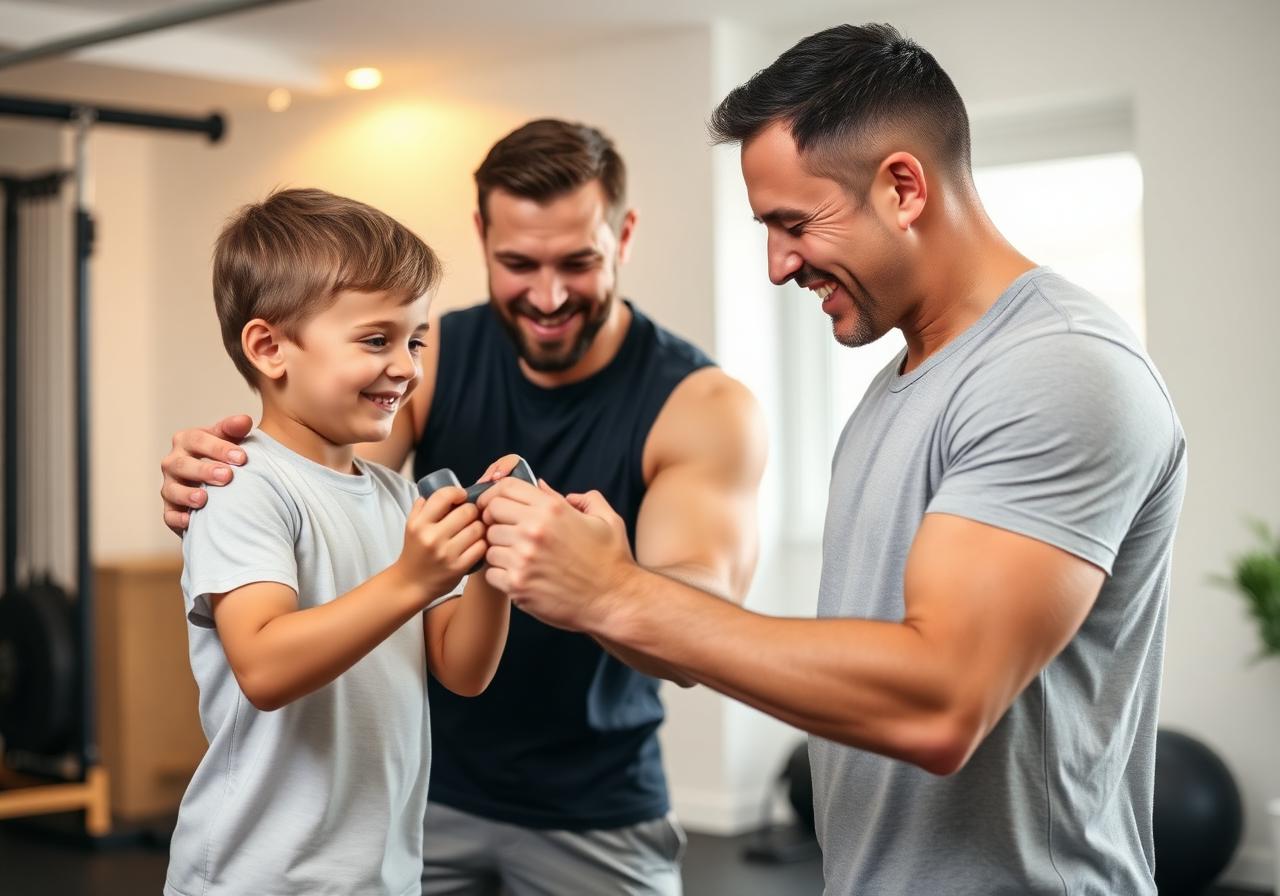
Supervision: Proper instruction and qualified adult supervision throughout the program is the most important factor necessary for safe and productive training.
Development: An effective training program must be matched to the child's age, maturity level, and interests. Common sense applies, for starters.
Intensity: Always keep the workloads moderate at first. Then, adjust the intensity according to age. Children should never perform sudden explosive exercises or maximal lifts. These types of exercises are too severe for the vulnerable epiphyseal growth plates at the ends of the long bones.
Thermoregulation: Children are at much greater risk of thermal injury since they have lower skin blood flow rates (limits heat dispersion), a higher threshold for sweating, and lower output of heat-activated sweat glands. Exercise sessions should be reduced in duration and intensity when the relative humidity exceeds 90% or when the air temperature exceeds 85 degrees.
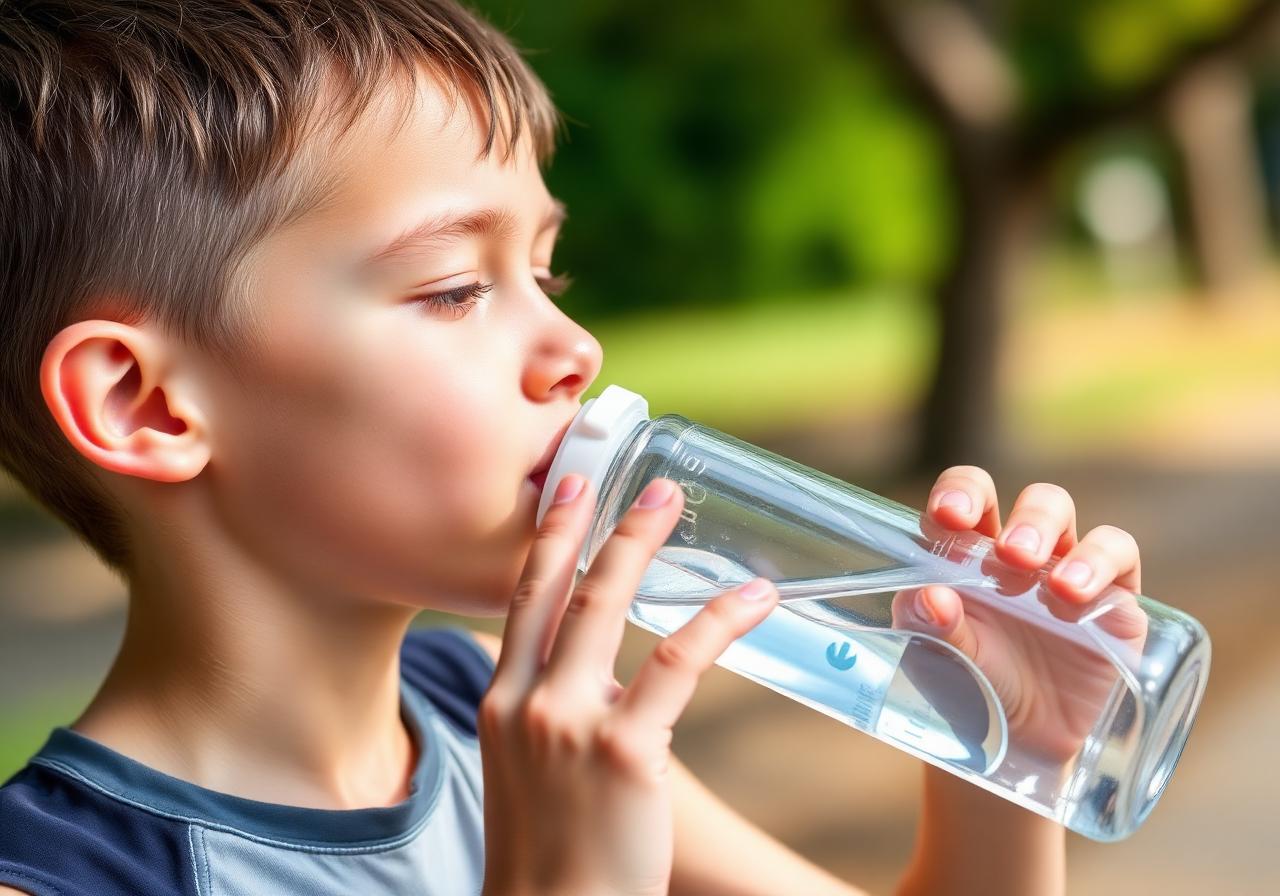
Hydration: Children may tend to unknowingly dehydrate themselves during exercise and should therefore be encouraged to drink water before, during, and after exercise (approximately 8 ounces every 20 minutes).
Circulo-respiratory Training: Children should be encouraged to participate in sustained activities that use large muscle groups (hiking, swimming, cycling, etc.) on a regular basis. The American College of Sports Medicine recommends that children accumulate a minimum of 60 minutes of moderate to vigorous physical activity each day.

Resistance Training: Typically, if a child can participate in other sports programs, they are also ready for a supervised resistance training program. Basic exercises can be implemented with little or no weight, gradually progressing to a resistance light enough to allow a minimum of 15-20 repetitions for each exercise. There is no reason for children to apply maximal exertion, ever.
Exercise is fun, safe, and appropriate for most children. Be sure to avoid imposing your “grown up” definition of hard work on your child, limit comparisons to other children, and allow your child to gain satisfaction at their personal rate of progress.
Your child's level of health and fitness, both now and as they approach adulthood, is most likely to mimic yours. This is a huge responsibility and my best advice for parents is to always be your child’s best example.
Since proper nutrition for kids is also extremely important, and beyond the scope of this column, and I am happy to provide you with a 100% free copy of my book, Nourish the Whole Child, which is actually (ironically) co-authored by my mother, Dr. Judy Brunstad (Ph.D. in Holistic Nutrition specializing in children). You can find it at Week 5: Day 2 (Section 7). Enjoy!
Ready to put your family fitness to work? Try SUPER 7 FREE for a Smart-Simple-Speedy-Safe daily starting point: no gym, no equipment, no downloads - just open and go.
In Health & With Hope,
Doug :-)
Essential Youth Strength Training Rules
When young people express interest in lifting weights, following fundamental youth strength training rules keeps their growing bodies protected. The most crucial rule is prioritizing control and technique over the amount of weight lifted. Young bones have delicate growth plates at the ends, which means heavy maximal lifts and explosive power moves are strictly off-limits.
Here are key guidelines to put into practice this week if you are guiding a young person:
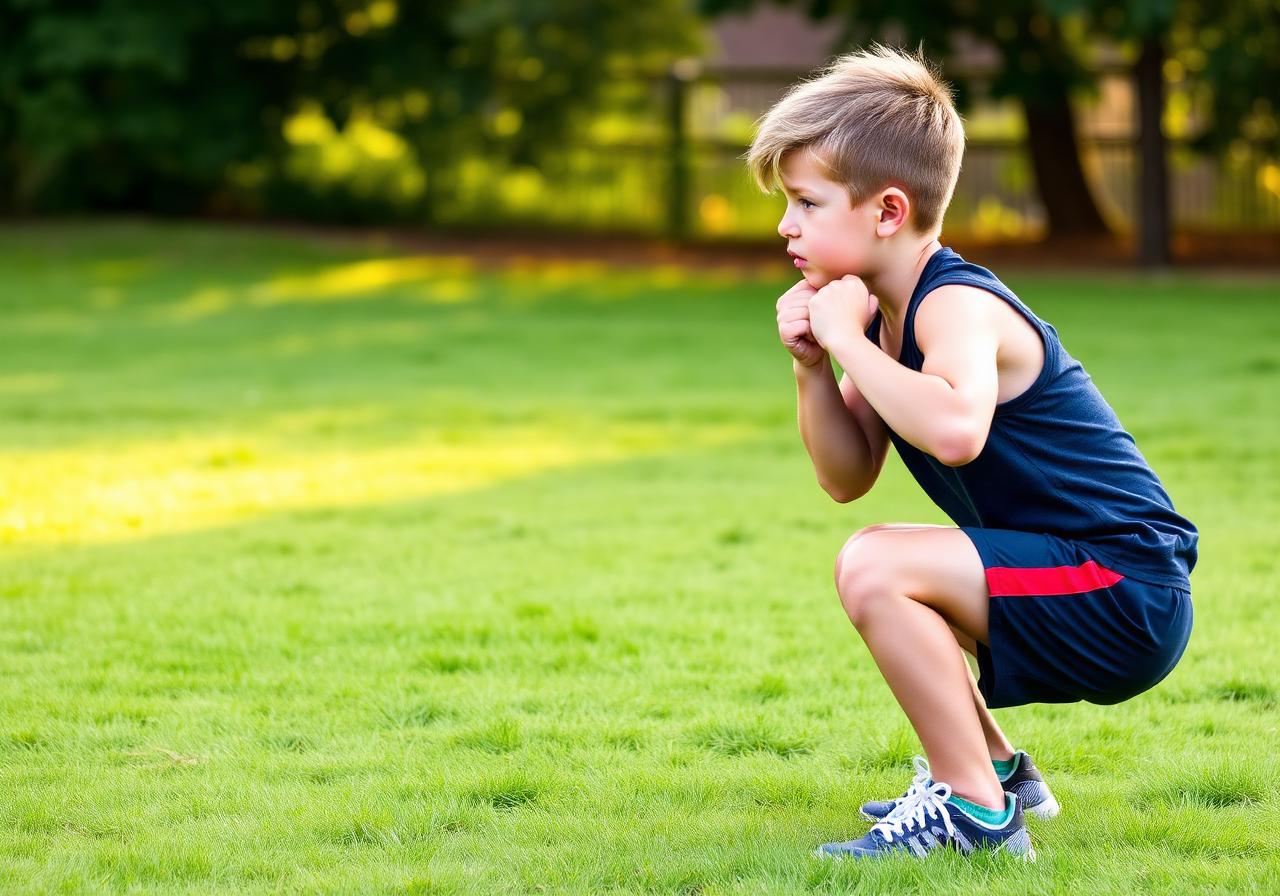
- Focus on bodyweight movements first, such as controlled squats, knee push-ups, and step-ups.
- When introducing light resistance, choose a weight that allows for 15 to 20 smooth, comfortable repetitions without straining.
- Provide continuous adult supervision to ensure safe movement patterns and proper breathing.
- Ensure full rest days between strength sessions so muscles and joints can adapt properly.
Remember, the goal is building motor skills and self-confidence, not maximal strength. Keep the environment supportive, check in on how their joints feel, and stop immediately if any pain occurs.
Daily Physical Activity for Children Made Simple
Encouraging regular physical activity for children is one of the best investments we can make in their long-term health. Leading health organizations recommend at least 60 minutes of moderate-to-vigorous movement daily. This does not mean sitting through an hour of rigid drills; exercise should feel like play, exploration, and discovery.
Young bodies naturally thrive on variety. Activities like brisk walking, swimming, riding bicycles, or playing lawn games help build heart power and strong lungs without feeling like hard work. However, because children cool down less efficiently than adults, paying attention to environmental conditions is essential.
To keep daily activities safe and pleasant, keep these practical tips in mind:
- Schedule active outdoor play during cooler morning or late afternoon hours.
- Enforce mandatory water breaks, aiming for about 8 ounces of plain water every 20 minutes.
- Mix continuous play with short rest periods in the shade to prevent overheating.
When adults lead by example and show joy in movement, kids naturally follow along without needing forced motivation.
Building a Safe Workout Routine for Kids
Creating a safe workout routine for kids requires a gentle approach that respects their physical maturity and attention span. A solid youth session should feel lighthearted, well-structured, and last no more than 30 to 45 minutes from start to finish.
To set up an effective routine at home or in the yard, structure your time thoughtfully:
- Start with a 5-minute dynamic warm-up, such as gentle arm circles, high knees, and easy marching.
- Select 4 to 5 basic exercises focusing on balance and core control, such as bird-dogs, bodyweight squats, and wall push-ups.
- Perform 1 to 2 sets per exercise, keeping reps high and exertion moderate.
- Finish with light stretching and deep breathing to signal to the body that work is complete.
Always encourage open communication. Ask how their body feels during each exercise, and never push through discomfort. If a child has underlying health conditions, consult their pediatrician before starting a new structured routine.
For general background, see Move Your Way activity guide.
FAQ: Questions I Get Asked Most
What are the basic exercise guidelines for kids starting a fitness program?
The primary exercise guidelines for kids emphasize adult supervision, light exertion, and fun. Children should aim for 60 minutes of daily activity. When starting structured workouts, focus on bodyweight exercises or very light resistance, high repetitions (15 to 20 reps), and avoid maximal lifts to protect developing joints.
Can 12-year-olds safely participate in strength training?
Yes, 12-year-olds can safely participate in strength training when properly supervised by an adult. The focus must remain on mastering technique, using light weights or body weight, and performing 15 to 20 smooth repetitions. Heavy lifting and sudden explosive exercises should be completely avoided.
How do warm temperatures affect children during exercise?
Children produce body heat during exercise but have lower sweat rates than adults, making them more vulnerable to heat stress. Exercise sessions should be shortened or lightened when temperatures exceed 85 degrees Fahrenheit or humidity exceeds 90 percent. Frequent water breaks every 20 minutes are essential.
How many days a week should children do strength exercises?
Children can safely engage in light strength training two to three non-consecutive days per week. Having rest days in between allows young muscles, tendons, and growth plates time to recover. Always prioritize safe form, light exertion, and enjoyment over frequency.

About the Author: Douglas Jones, BS, MA, CSCS
Douglas Jones earned his Master's Degree in Exercise Physiology from the University of Maryland and is a Certified Strength and Conditioning Specialist. As an Exercise Physiologist and Concierge Fitness Professional based in Kaua'i, he has helped thousands of clients in person and millions online build simple, science-based habits for strength, stamina, stretching, and sustenance.
Doug is the founder of the Super 7 System — a complete training system you can do at home in as little as 7 minutes a day.
Watch his free intro and start free at Super7System.com.
Medical disclaimer: This article is educational only and is not medical advice, diagnosis, or treatment. Stop any movement that causes pain, and check with your healthcare provider before starting new exercise or changing your diet.
Seven honest minutes at your own counter. Try Super 7 Free →