Foot Pain After 60: Causes and Relief for Seniors
By Doug Jones
Q: What causes foot pain after 60?
A: Foot pain after 60 is often plantar fasciitis — overstretched fascia that tightens overnight and re-tears each morning. Prevention is a night splint, not stretching torn fascia, plus calf and hip strength at the counter.
What's In This Article
- Doug's original column: The Agony of Da Feet
- Why do feet hurt more after 60?
- The night splint secret — not stretching
- Safe foot strength at the kitchen counter after 70
- Why foot health matters
- FAQ: the questions I get asked most
Aloha from Kaua'i, and Bali Hai to you!
Foot pain after 60 is the number one reason folks tell me they can't join our Sunday stroll. "Oh, my aching feet." I hear it every single week, and I understand it — when the first step out of bed feels like broken glass, walking stops being a joy and starts being a negotiation.
Here's the difference between hurting for a week and hurting for years: most people attack sore feet by stretching them harder. That is the one thing you should not do to fascia that is already overstretched and torn. The fix is smaller, cheaper, and it happens while you sleep.
The column below was my answer to a reader named Akina, who walked 20,000 steps a day and "relaxed" by running on the beach. She wanted to be pain free by Thanksgiving. She was. Read her answer, then read what I've added underneath for the 60-plus crowd.
Original Column: The Agony of Da Feet
The Agony of Da Feet — and the — Thrill of Victory!
Dear Doug,
I wanted to attend your “Walk & Talk” last Sunday but, oh, my aching feet. I’m always standing at work and walk over 20,000 steps a day. I “relax” by running on the beach! It’s probably no surprise that I’ve recently developed plantar fasciitis on one foot, and it’s not going away. What’s a gal to do?
Akina C. from Lihue.
Aloha Mrs. C.,
“Happy Days are Here Again” should be the tune playing in your head today. I’ve got some good news for you. By taking a single proactive step, you should hopefully soon be pain free, leaping into heaping thanksgivings by Thanksgiving.

While there are cornucopia of possible solutions for da feet, and the agony thereof, I am optimistic that my footloose and fancy-free advice will afford you the most probable resolution before the new year.
As you may be aware, the plantar fascia is a thick band of connective tissue on the bottom of the foot, running heel to toe, providing structure, support, stability, and shock suppression while stepping and striding. Although “-itis” is medical lingo for “inflammation,” plantar fasci-itis is often characterized by overstretched and aggravated fascia with little swelling. Regardless, the pain in the arch of the foot and heel can be constant and chronic.

Feet are a fascinatingly complex creation, with over 50 bones, and even more muscles, facilitating hiking and biking and dancing and prancing and skipping and flipping. Hurting “only” one foot is a good thing, at least in my book, and it doesn’t matter if it’s your right foot… or your wrong one.
Experiencing the agony of da feet, plurally and equally, might suggest a structural and systemic situation. Since yours sounds like an isolated, isolateral incident, I’m confident that your road to recovery will be as swift as it is straightforward.
Are you ready for some chicken soup for the sole? Let’s take stock of the only ingredient on the menu today: stretching! But, it’s probably not what you think. I do NOT want you to stretch your already overstretched fascia; that’s the recipe for disaster.
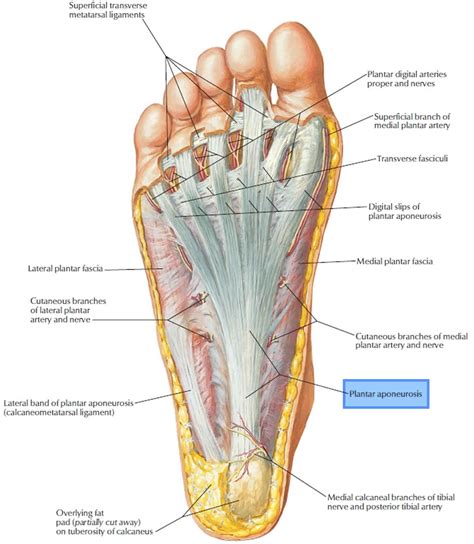
Plantar fasciitis (or aponeurosis) is the fascia being overstretched and under stress. Whether from acute foot issues or ugly foot injuries, these tender tissues are strained and sprained and worn and torn. So, what should you do when your dogs are really barking? Twist and shout and do the Hokey Pokey karaoke? Absolutely not! You need to let sleeping dogs lie. Seriously, Akina, since your injury is quite recent, it’s time to rest those puppies.
Don’t run for your life. Don’t jump for your joy. Don’t skip to my Lou. Take a load off and kick your feet up.
After kickin’ it for a while, your foot might actually feel worse initially. Perhaps you are already mourning the mornings? Think about why. When you sleep, your feet relax… and they point like a “plantar-flexed” ballerina. Heavy blankets in colder climates make this even worse.
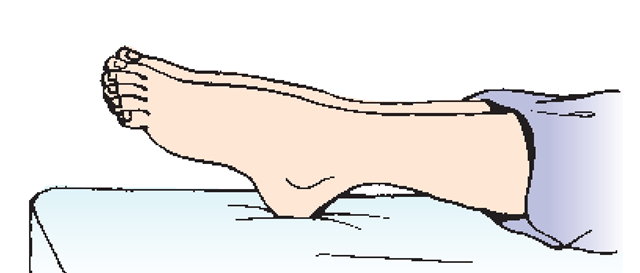
During the night, the plantar fascia will naturally shorten and tighten. For those of us without injury, inflammation, or irritation, this nighttime “contracture” is no big deal. For you, my friend, it might feel like a nightmare, because each valiant first step of every victorious new day retears and reinjures your recently “contractured” fascia and fibers. How can they heal if they keep getting hurt?
This is precisely the reason why people struggle with plantar fasciitis for years, or forever. Reinjured injuries are almost always greater (in a bad way) than the initial trauma. If bearing the weight of your early morning routine brings you severe discomfort, you are most likely 🦶tearing🦶 up your tissues (while you are 😓tearing😢, with tissues).
Pain is a priceless indicator of injury. Please avoid it at any cost.
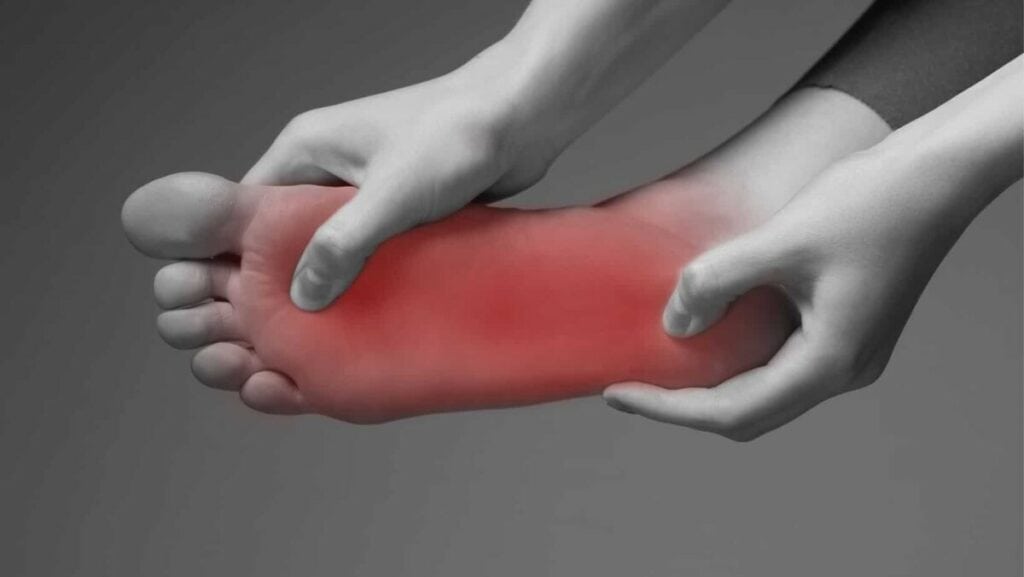
As counter-intuitive as it may seem, stretching and elongating the fascia is the culprit, not the cure. Instead, the immediate solution to plantar fasciitis is preventing the fascia’s “contracture” each night, so that it doesn’t get re-ripped to shreds every morning. The true secret is not the further stretching of the already overstretched fascia; on the contrary, the most rapid remedy is the deliberate dodging of any form of re-stretching after shortening, which would thereby re-injure the fascia. Read that two times fast.
Now read this: If you can prevent the shortening of the fascia during the night, you will eliminate the need to painfully re-lengthen the fascia in the morning.
Easy Peasy!
Super Simple!!
Super Duper Smart!!!
Wearing a “Plantar Fasciitis Night Splint” while you sleep, every single night, without fail, until you are as good as new, is the fastest fix in the world. Depending upon the severity of your injury, and if you hop to it (not literally) as soon as it happens, you should fully heal in a few days, or perhaps a week or two, at most. However, if you forget to wear the splint(s), for even one night, then the next morning's agonizing re-stretching of your not-so-fully-healed fascia might result in you having to start the entire healing process all over again. You need to be diligent in your deliberate dodge of strain and pain.
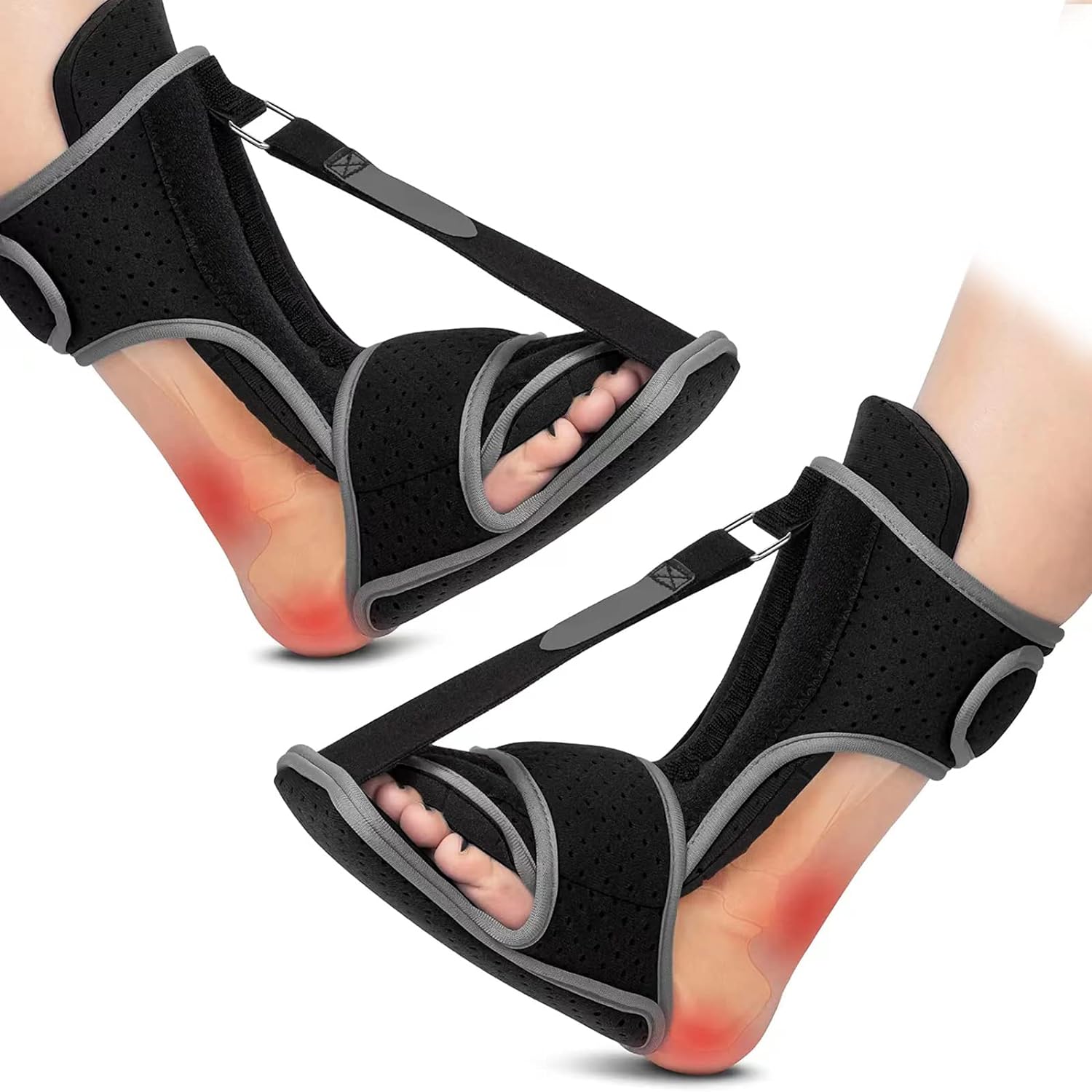
Without diagnosing or prescribing, the "Night Splints" above show what I would wear if I were in your shoes. Please also watch my Three IntroDougtion Videos to see that I’ve also worn many a moccasin. I can relate to strain, and I feel your pain, Akina. I've walked through the minefield and I still have tremendous hope for your health.
Years ago, I had a client who was a Division 1 football referee... the white hat guy, the crew chief and boss. He officiated huge games and, at the time, was trying to get into the NFL. (I was once invited to watch from the sidelines at a Navy-Army game. So much fun!! My father is an Annapolis graduate, so Go Navy!) Anyway, during one of his games, Ed back-stepped, then quickly changed directions, and ripped his plantar fascia so badly that he could hear the audible tear. I can't imagine. OUCH!! He dragged himself, and his foot, off the field, a severely injured, 49-year-old athlete.
Thankfully, he trusted my advice, and did EVERYthing suggested, immediately. True, he had to take the next weekend off, as directed by his decreased range of motion and his increased pain emotion. He listened to me AND his body and his brain. As a result, he was back on the game field by the following weekend, still careful and cautious, yet fully capable and competent.

Because of my experiences, and those of many clients, I know that you, too, will be enthusiastically "Walking & Talking" next month. Your days of "Limping & Gimping" should be long gone by then.
Though beyond the scope of this column, which is already longer than most, I want to give you at least 7 more quick tips to give your feet something to smile about:
1🥾 You need to be extremely careful each morning, after removing the night splint(s) (that you didn't "accidentally" forget to wear, right?). Please be disciplined and diligent in warming up your feet and fascia before they touch the floor in the morning. Stay in bed a little longer, curled up with a good book, or The Good Book, moving your feet around a lot... but being sure to NOT overstretch the plantar fascia, which is desperately trying to heal. Just as you should always perform Stamina BEFORE Strength or Stretching, you should also always Warm-up BEFORE Walking. Do NOT pull your feet (or toes) back more than absolutely necessary; do NOT test the waters. People tend to do this so often. They "test and check" their bodies. "It hurts when I do this! It hurts when I do that!" This is a major no-no!! If it hurts, you probably just re-injured yourself. No pain is true gain.
2🥾 After you spend at least 5-10 minutes slowly and gradually warming up your feet and fascia, it's time to slowly reintroduce them to the floor. This will make all the difference between having a "Good Morning" and a bad day. Do NOT leap out of bed with enthusiasm. Take your time. The spice of life needs to be approached gingerly for the next few weeks, ok? Don't forget... no pain is true gain.
3🥾 Stretching out the muscles and tendons in the front of the foot and shin might prove to be beneficial as well, as this is in the opposite direction of the stretch of your plantar fasciitis injury. Again, agonist and antagonist reciprocal inhibition is far beyond the scope of this column; however, I did explain it in some detail in previous columns on my Super 7 System of Eccentrics in Stretching. You'll also learn all about it since you've Joined the Club. The follow picture might not be worth a thousand words, but you'll get the idea:
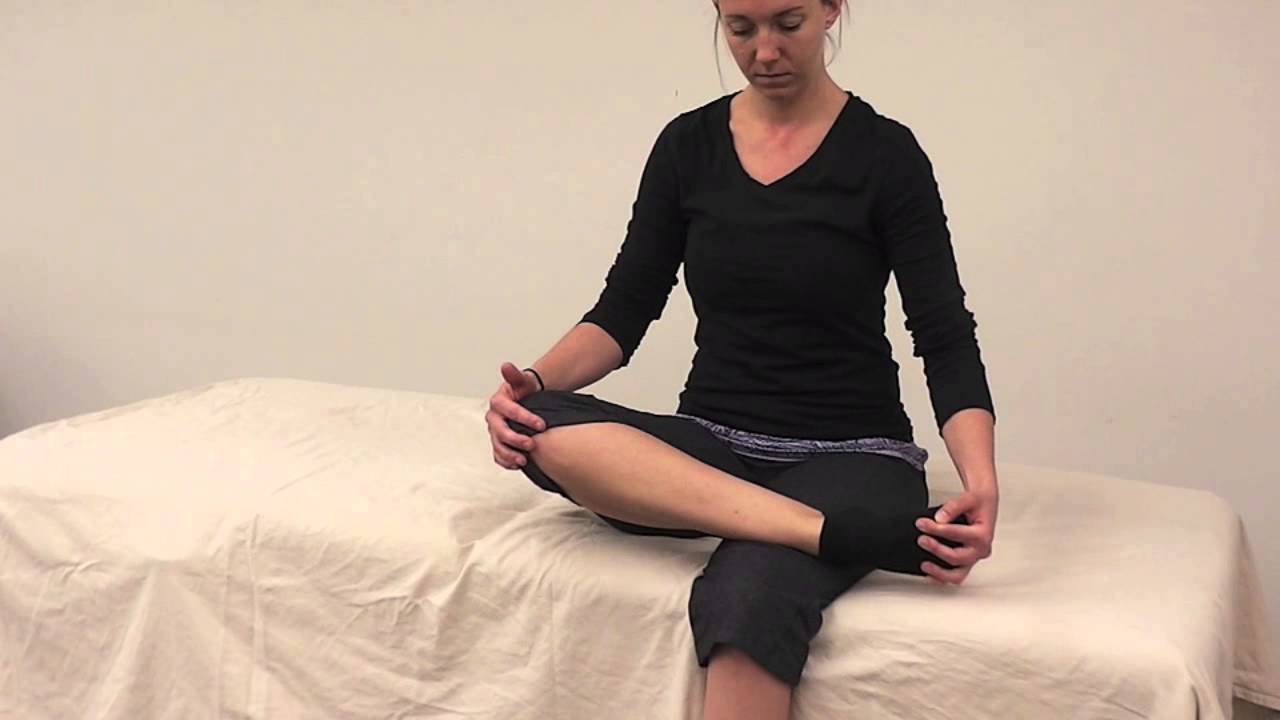
4🥾 Tangential Tangent: As I looked online for a photo of a seated stretch of the Tibialis Anterior muscle (above), I cringed, as I often do. PLEASE BE CAREFUL with regard to whom you seek for "wise" counsel, as dumb councils abound. It's often not best to listen to how somebody looks. The degree of dangerous disinformation and downright deleterious dissuasion is daunting... discloses "Dr. Doug." ;-)
5🥾 Without going into ANY detail here, eat a lean and clean ANTI-inflammatory diet, chock full of nutritive-dense foods, which promote health and healing. Again, you can review my previous articles and join my website for all of my secret solutions to Super Sustenance.
6🥾 ICE is NICE... and can be very beneficial; however, please do NOT walk for a very long time after icing. Ice can promote rapid healing, but cooling the feet and the fascia shortens and tightens the fibers. They need to be slowly and sufficiently warmed before they are gradually reintroduced to your body, and it's weight, in any capacity. To learn more about the "Super Solid Solution for Strains & Sprains," Please Click Here.
7🥾 Lastly (finally and PHEW!), please note that prevention IS the ultimate cure. Once you are back to your old YOUNG Twinkle Toes self, it is important to begin incorporating FULL range-of-motion strength training of each muscle group at least once every 7 days. This is less than you might think. It doesn't matter if you run marathons by day and move mountains by night. Conventional movements are not full motions, throughout the complete ranges of the joints. And, since the body adapts with Strength to, and through, the specific range of motion in which it is worked, you need to assure that you perform movements and motions throughout the ENTIRE range of motion, safely and slowly. Working out the way your body works is the name of the game... by design, as intended, and on purpose. A single set of properly performed plantar-flexion and dorsi-flexion exercises, once or twice weekly, will probably prevent any and all future agonies of da feet and your foots, left and right, up and down. This is down the road a bit. First and foremost, get well soon!!

Ready to put your foot comfort to work? Try SUPER 7 FREE for a Smart-Simple-Speedy-Safe daily starting point: no gym, no equipment, no downloads - just open and go.
In Health & With Hope,
Doug :-)

Why Do Feet Hurt More After 60?
Each foot is a small miracle of engineering: over 50 bones between the two of them, roughly 30 joints apiece, plus more muscles, tendons, and ligaments than most people would guess. That's a lot of moving parts to keep quiet.
The plantar fascia is the thick band on the bottom of the foot running heel to toe. Think of it as a rubber band. A new rubber band snaps back. An old one that has been stretched for decades — 20,000 steps a day, beach running, standing on hard floors at work — stays long and frayed.
Here's the part almost everyone gets wrong. Despite the "-itis," plantar fasciitis after 60 is usually not a swollen, inflamed foot. It is a field of tiny micro-tears in tissue that is already too long and under too much stress.
Then night falls. When you sleep, your feet relax and point like a plantar-flexed ballerina — and heavy blankets push them down even further. The fascia shortens and tightens for eight hours. For a healthy foot that "contracture" is nothing. For a torn foot, that first triumphant step in the morning rips it open again.
Re-tear, heal a little, re-tear. That daily cycle is precisely why people carry foot pain for years instead of days. It isn't that your feet are old. It's that they never get an uninterrupted night of healing.
For general background, the National Institute on Aging's foot care guidance and the Mayo Clinic's plantar fasciitis overview are both worth ten minutes of your time.
The Night Splint Secret — Not Stretching
This is counter-intuitive, so read it twice: do not stretch fascia that is already overstretched. Pulling harder on a frayed band is a recipe for disaster, not a cure.
The goal is simpler. Prevent the shortening at night, and you eliminate the painful re-lengthening in the morning. No re-tear, no restart, real healing.
That is what a plantar fasciitis night splint does. It holds the foot at a neutral angle while you sleep so the fascia never contracts in the first place.
- Wear it every single night, without fail. Depending on severity, many people feel dramatically better in a few days to a week or two.
- Miss one night and you can start the whole clock over. One morning re-tear undoes a week of quiet healing. Be diligent in your deliberate dodge.
- Morning protocol: stay in bed 5 to 10 minutes after the splint comes off. Move the feet gently to warm the tissue — circles, small wiggles, easy pumps.
- Do NOT pull your toes back more than absolutely necessary, and do not "test and check" to see if it still hurts. If it hurts, you just re-injured yourself. No pain is true gain.
- Reintroduce the floor slowly. Don't leap out of bed. First steps are short, flat, and shod.
Two Super 7 rules cover the rest: Stamina BEFORE Strength, and Warm-up BEFORE Walking. Warm tissue bends. Cold tissue tears.
Safe Foot Strength at the Kitchen Counter After 70
Once the morning agony is gone, the job changes from healing to never again. Everything below is done standing at a kitchen counter with a hand on it, or seated on a firm bed or bench.
- Tibialis anterior (the shin). Heels down, lift the toes toward the shin and hold about 7 seconds. This works the opposite direction of the injury. Agonist-antagonist reciprocal inhibition means strengthening the front lets the bottom relax — safely.
- Calf tightness plus hip weakness is the real culprit. Do a wall or counter calf stretch with a bent knee so the pull stays in the calf and off the fascia. Tight calves can account for a large share of heel load, and freeing them takes real pressure off the arch.
- Towel scrunches and marble pickups, seated. Toes drag a towel across the floor, or pick up marbles one at a time. Small arch muscles, zero impact.
- Windlass work. Seated, gently extend the big toe upward and feel the arch rise. That mechanism is your natural shock absorber — keep it mobile, don't yank it.
- Hips count as foot care. Counter-supported side leg lifts steady the ankle from above, so the foot stops doing the balancing job alone.
Safety, every single time: non-slip mat, closed-toe shoes with a back strap, and never barefoot on a hard floor. If you have diabetes or any neuropathy, check your feet daily, never test pain by feel alone, and clear new exercise with your provider first. Unsteady today? Do all of it seated on a bed or bench.
Why Foot Health Matters
Sore feet don't stay a foot problem. They cap your stamina, so the sunset stroll gets skipped. Skip enough strolls and you walk less; walk less and you lose muscle; lose muscle and the next fall gets easier and the recovery gets longer.
Remember Ed, my Division 1 referee with the audible tear? He listened to his body and his brain, took one weekend off, and was back on the field the following weekend. That is what smart looks like.
Prevention is the ultimate cure: full range-of-motion plantar-flexion and dorsi-flexion, done slowly, once every 7 days is enough — and every third day of slow eccentric work keeps the whole chain strong. See safe leg exercises at home and why seniors need more muscle.
Seven honest minutes at your own counter. Try SUPER 7 FREE and I'll walk you through the first session today.
FAQ: Questions I Get Asked Most
What causes plantar fasciitis after 60?
Usually accumulated load on fascia that is already long: years of standing on hard floors, high step counts, beach or road running, thin-soled shoes, tight calves, and weak hips. It is micro-tearing more than swelling, which is why "why feet hurt over 60" so often traces back to overstretched tissue, not arthritis.
Should seniors stretch plantar fasciitis?
Not the fascia itself. Aggressively pulling the toes back stretches tissue that is already overstretched. Safer plantar fasciitis exercises for seniors work the shin, the bent-knee calf, the arch, and the hips — plus a night splint to stop the overnight tightening.
How long does foot pain take to heal after 60?
Caught early and splinted every night, many people are dramatically better in a few days to two weeks. Neglected for months, expect months. The variable isn't age — it's how many mornings you re-tear it.
What are the best shoes for foot pain over 60?
Closed-toe shoes with a back strap, a firm heel counter, a modest heel-to-toe drop, and enough cushion for hard floors. Slides, flip-flops, and bare feet on tile are the three fastest ways back to square one. A night splint for plantar fasciitis handles the sleeping hours that shoes can't.
Source: the National Institute on Aging publishes plain-language foot care guidance for older adults — see NIA Foot Care.

About the Author: Douglas Jones, BS, MA, CSCS
Douglas Jones earned his Master's Degree in Exercise Physiology from the University of Maryland and is a Certified Strength and Conditioning Specialist. As an Exercise Physiologist and Concierge Fitness Professional based in Kaua'i, he has helped thousands of clients in person and millions online build simple, science-based habits for strength, stamina, stretching, and sustenance.
Doug is the founder of the Super 7 System — a complete training system you can do at home in as little as 7 minutes a day.
Watch his free intro and start free at Super7System.com.
Medical disclaimer: This article is educational only and is not medical advice, diagnosis, or a prescription. Night splints are described for education, not prescribed. If you have diabetes or neuropathy, severe swelling, numbness, an inability to bear weight, or pain that worsens, stop and consult your healthcare provider.