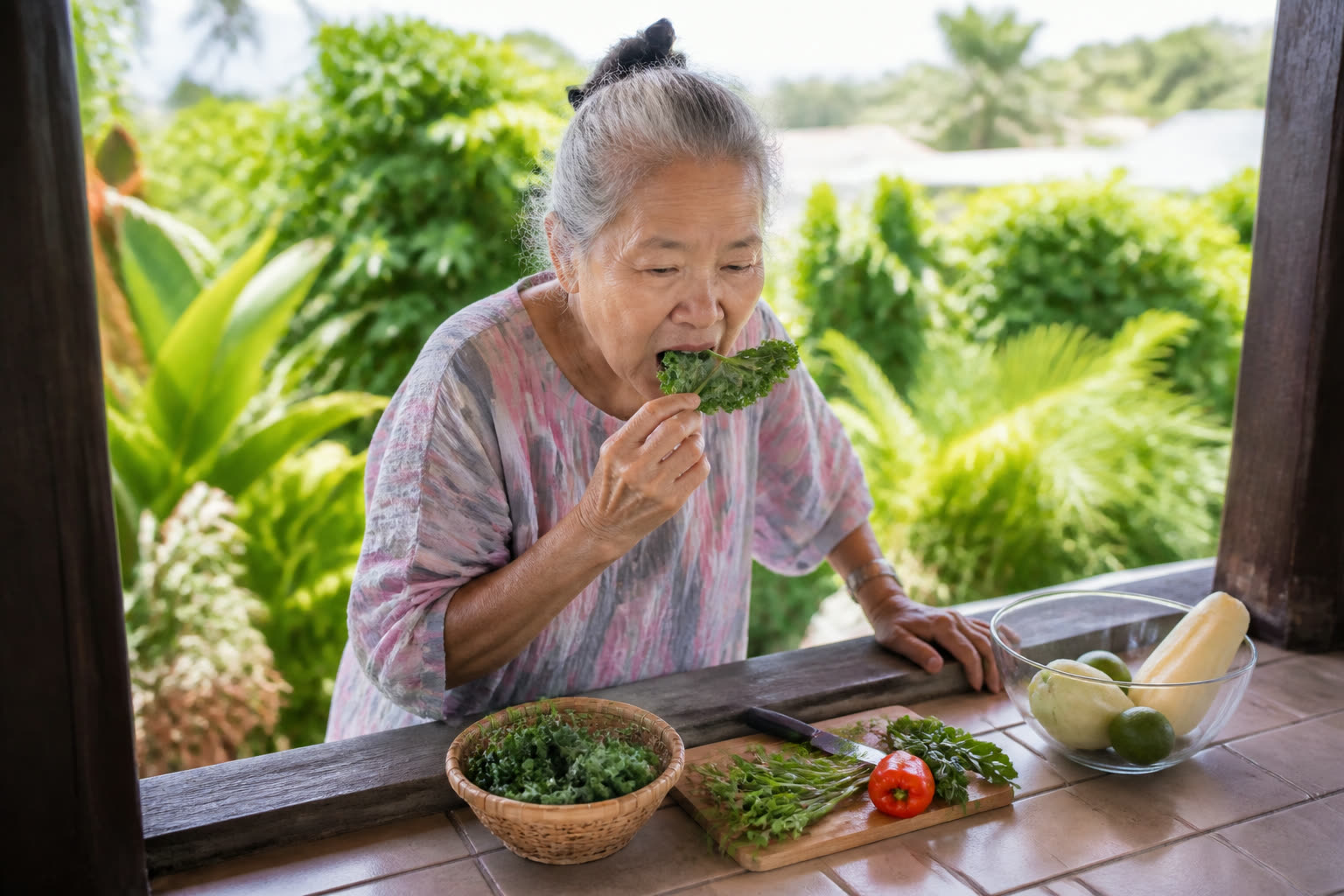
Grazing Diet for Seniors: How Small Meals Boost Energy Now
By Doug Jones
Q: How does a grazing diet benefit seniors?
A: A grazing diet provides seniors with continuous energy by distributing food intake into frequent, smaller meals, aiding digestion and supporting steady metabolism.
What's In This Article
- Doug's original column: Sustenance Secret #3: Eating Like a Horse
- Why Frequent Small Meals for Older Adults Boost Daily Vitality
- Practical Senior Nutrition Tips for Safe Home Meal Prep
- Gentle Metabolism Support for Seniors Through Regular Fueling
- FAQ: the questions I get asked most
Adopting a grazing diet for seniors is one of the most gentle, effective ways to keep your energy steady and support healthy weight management as the years roll on.
Over here on Kaua'i, I often remind my older friends that our bodies aren't designed to be starved and then stuffed with heavy meals. Spreading your nourishing bites throughout the waking hours gives your system a predictable, comforting flow of fuel. This simple habit keeps your blood sugar even and makes your morning stretches and daily outdoor movement feel much lighter.
In my original newspaper column below, we explore my third principle of sustenance—why eating small, frequent meals works in harmony with your body's natural metabolic design. Take a quiet moment to read through these practical island ideas and see how easy it is to listen to your body each day.
Start free at Super7System.com, or take the free fitness sampler and see the full program details.
Original Column: Sustenance Secret #3: Eating Like a Horse
Dear Doug,
Thank you for your continued thoughts about nutrition and weight loss.
- Marie, Hanalei -
Aloha, Marie. Mahalo for sticking with me throughout this three-part answer. As you’ll hopefully recall, my previous two columns covered my first two principles for Super Sustenance:
- Eat Fruit First, Before Anything.
- Eat Veggies First, Before Anything Else.

You can reread these columns online in the Health and Fitness section of The Garden Island Newspaper’s website. I also have direct links to all of my columns on my website.
Especially when it comes to Super Sustenance, it is vitally important that you don’t pick and choose only the appetizing guidelines. For instance, you shouldn’t stuff yourself silly without being willing to emphasize raw and fresh produce. While this stands to reason, our tiny taste buds are in a relentless battle with our brain and body. So, please keep your priorities in order as you digest my third principle for nutritive fitness:
3. Eat Like a Horse!!
Yes! For many people, and most bodies, the secret to Super Sustenance and healthy fat loss is grazing like a horse. In my Super 7-Week Shape-Up System, I recommend eating 7 separate times throughout the day. Yes, this includes your pieces of fruit each morning. In fact, any time you eat anything counts, even if only a tiny snack (like some stalks of celery or a handful of raw nuts). A snack is a meal and, ideally, meals should be considered larger snacks.
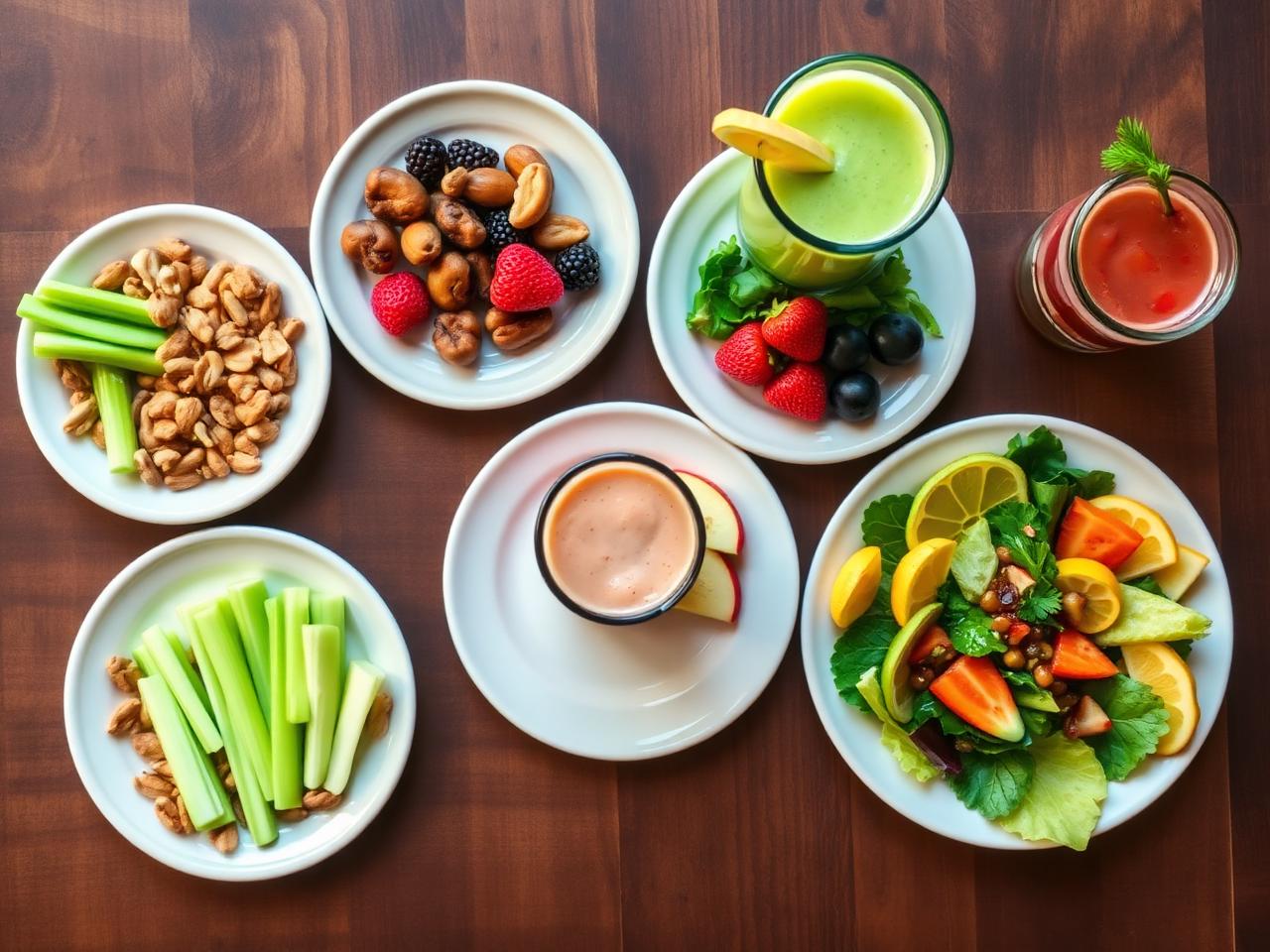
This secret is simple… snack, don’t starve. Every time you eat, your body burns calories during the digestion process. For most people, this caloric expenditure actually exceeds how many calories they burn by exercising each day. So, take advantage of it. If you eat well, you can also eat often.
The body is an incredible machine and, in many ways, as smart as the brain. In a nutshell, if you feed it, it knows that food is available, so it sheds fat. If you starve it, it responds to the deprivation by trying to store every morsel. Work with your design, not against it. You’ve seen those who eat like a horse and are as skinny as a fence post, right? Often, it’s cause and effect.
- Each time you eat, your metabolic rate increases, causing your body to heat up for several hours. Some individuals actually respond by sweating at big meals. This phenomenon is called Dietary Induced Thermogenesis, or the Thermic Effect of Food. Your body is burning calories (producing heat) due to the additional energy required to ingest, digest, absorb, assimilate, transport, utilize, and store the macro- and micronutrients. Eating burns calories. Period!
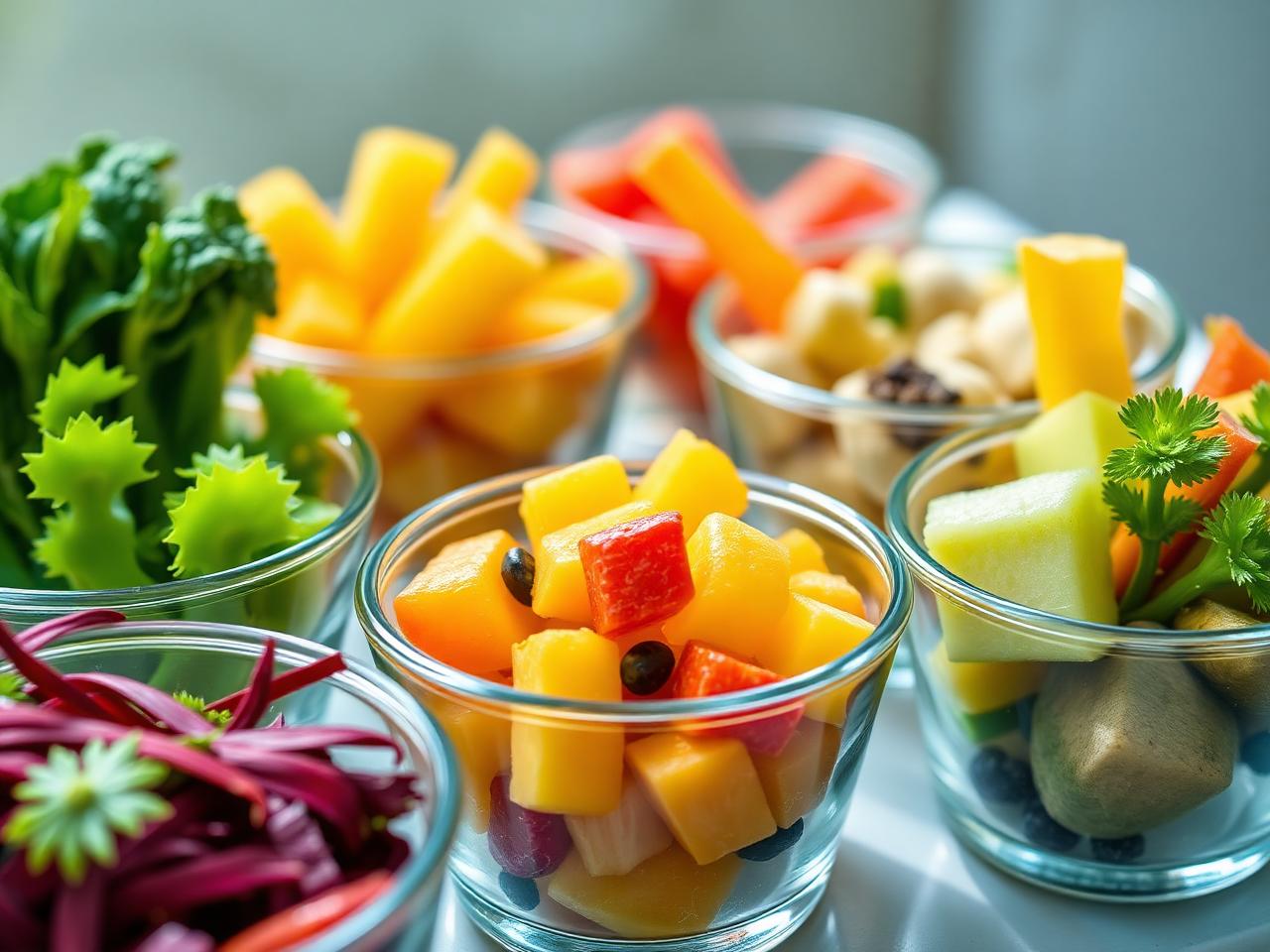
- Another incredible benefit of increasing meal frequency is the alteration of an enzyme, lipoprotein lipase (LPL). One major function of this enzyme is the facilitation of fat stored within the body’s fat cells. If you don’t eat regularly, your level of LPL increases dramatically, and rapidly. It’s a great protective mechanism yet is accompanied by an undesirable side effect. With higher levels of LPL, you are likely to store more fat.
- Simply stated, eating more frequently (aka not starving) significantly DEcreases the amount of LPL in your body. This, in turn, makes the process of fat storage much more difficult, causing you to store less fat. All things being equal, the more frequently you eat, the more likely you’ll be lean.
- Spreading your HEALTHY food intake over smaller, more frequent meals stabilizes blood sugar and insulin levels. This gives your brain and body a slow, steady supply of essential nutrients, allowing you to function at more optimal levels throughout the entire day. Although an occasional luau pig-out is great, healthy Garden Island grazing is greater.

- Don’t run out of gas and don’t overflow your reservoirs. Eat before you get hungry and stop eating before you get full. It’s all right if your snacks and meals are of similar size (hint hint). Tune into how your body feels; don’t feel hungry and don’t feel full.
There are always exceptions to rules, questions on answers, and special situation solutions; however, these three Simple Secrets to Sustenance can stand as firm foundations in your quest to nourish your body while staying healthy and lean.
Do your best to follow these principles each day and you’ll notice results every tomorrow. Each morning is a fresh start. Every bite is a new beginning.
- Fruit Before Anything.
- Veggies Before Everything Else.
- Grazing… Not Gorging.
Ready to put your eating habits to work? Try SUPER 7 FREE for a Smart-Simple-Speedy-Safe daily starting point: no gym, no equipment, no downloads - just open and go.
In Health & With Hope,
Doug :-)
Why Frequent Small Meals for Older Adults Boost Daily Vitality
Shifting your routine toward frequent small meals for older adults helps take the heavy burden off your digestive system while keeping your physical strength consistent. When we sit down to large, heavy dinners, our bodies divert massive amounts of energy toward digestion, often leaving us feeling sleepy, sluggish, or bloated.
By spreading your food into six or seven smaller mini-meals or snacks throughout the day, you maintain a smooth, steady supply of nutrients. Here are a few simple ways to make this habit effortless in your kitchen:
- Keep pre-cut raw vegetables like cucumber rounds or celery sticks at eye level in the refrigerator.
- Portion out small handfuls of unrefined nuts like almonds or walnuts ahead of time.
- Enjoy a small bowl of papaya or berries between your physical movement routines.
Always remember that safety and comfort come first. If you manage health conditions such as diabetes or take timed prescription medications, check with your healthcare provider or primary physician before altering your meal schedule. Never force yourself to eat if you feel uncomfortable, and always pause before you reach total fullness.
Practical Senior Nutrition Tips for Safe Home Meal Prep
Implementing effective senior nutrition tips does not mean spending hours slaving over a hot stove or following complicated, trendy diets. It simply means choosing clean, whole foods and organizing your kitchen environment so that healthy choices are always within comfortable reach.
As we age, maintaining physical balance and joint comfort during food preparation is just as important as the food itself. Preparing several mini-meals throughout the day should feel relaxing, not exhausting.
- Use stable, non-slip cutting boards positioned at a comfortable counter height to protect your lower back.
- Keep a sturdy, high kitchen stool nearby so you can sit comfortably while peeling fruit or chopping vegetables.
- Prepare simple, single-ingredient snacks so you do not have to worry about complex recipes or long prep times.
Remember my primary rules of island sustenance: prioritize fresh fruit first in the morning, followed by fresh raw vegetables. When you graze on these natural foods throughout the day, you nourish your cells with vital micro-nutrients while naturally controlling your overall caloric intake without feeling deprived.
Gentle Metabolism Support for Seniors Through Regular Fueling
Finding safe, natural metabolism support for seniors is all about working with your body's innate thermic effect. Every time you ingest, digest, and absorb food, your body naturally generates heat and burns calories. When you starve your body for long stretches, your internal furnace slows down, and fat-storing enzymes can increase rapidly.
By providing small, frequent amounts of quality fuel, you signal to your system that food is abundant, allowing your body to release stored fat naturally while boosting your overall energy levels.
- Pair your frequent small snacks with light daily movement, such as easy counter-supported calf raises or gentle hallway walks.
- Sip fresh water consistently between your light snacks to aid digestion and maintain joint hydration.
- Avoid heavy late-night eating so your digestive tract can rest completely while you sleep soundly.
Listen closely to what your body tells you. If you ever experience sharp abdominal pain, dizziness, or unusual discomfort, pause immediately and consult your medical care team. Building health should always feel supportive, manageable, and gentle on your body.
For general background, see National Institute on Aging guidance on healthy eating patterns and meal choices for older adults..
FAQ: Questions I Get Asked Most
Is a grazing diet for seniors safe for managing weight?
Yes, a grazing diet for seniors helps maintain balanced blood sugar and supports healthy weight management by preventing overeating. Eating small, steady bites throughout the day keeps your digestion moving comfortably and prevents energy drops. Just focus on fresh fruits, vegetables, and whole foods, and consult your doctor if you take timed medications.
How many times a day should older adults eat?
Aiming for 5 to 7 small nourishment points throughout the day works wonderfully for many older adults. This includes your morning fruit, small vegetable snacks, and light mini-meals. The key is keeping portion sizes small so you never feel overly full, bloated, or uncomfortably stuffed after eating.
What are the best small snacks for active seniors?
Fresh fruits like sliced apples or papaya, raw vegetables like celery sticks, and a small handful of raw nuts are ideal options. These choices provide clean fiber, essential vitamins, and healthy fats without overloading your digestive system or causing sluggishness during your daily exercise routines.
How does eating more often help with metabolism after 60?
Every time you eat, your body burns calories just to digest and absorb those nutrients. By eating smaller portions more frequently, your body maintains a steady metabolic burn throughout the day, helping lower fat-storing enzyme levels without putting extra stress on your heart or joints.

About the Author: Douglas Jones, BS, MA, CSCS
Douglas Jones earned his Master's Degree in Exercise Physiology from the University of Maryland and is a Certified Strength and Conditioning Specialist. As an Exercise Physiologist and Concierge Fitness Professional based in Kaua'i, he has helped thousands of clients in person and millions online build simple, science-based habits for strength, stamina, stretching, and sustenance.
Doug is the founder of the Super 7 System — a complete training system you can do at home in as little as 7 minutes a day.
Watch his free intro and start free at Super7System.com.
Medical disclaimer: This article is educational only and is not medical advice, diagnosis, or treatment. Stop any movement that causes pain, and check with your healthcare provider before starting new exercise or changing your diet.
Seven honest minutes at your own counter. Try Super 7 Free →