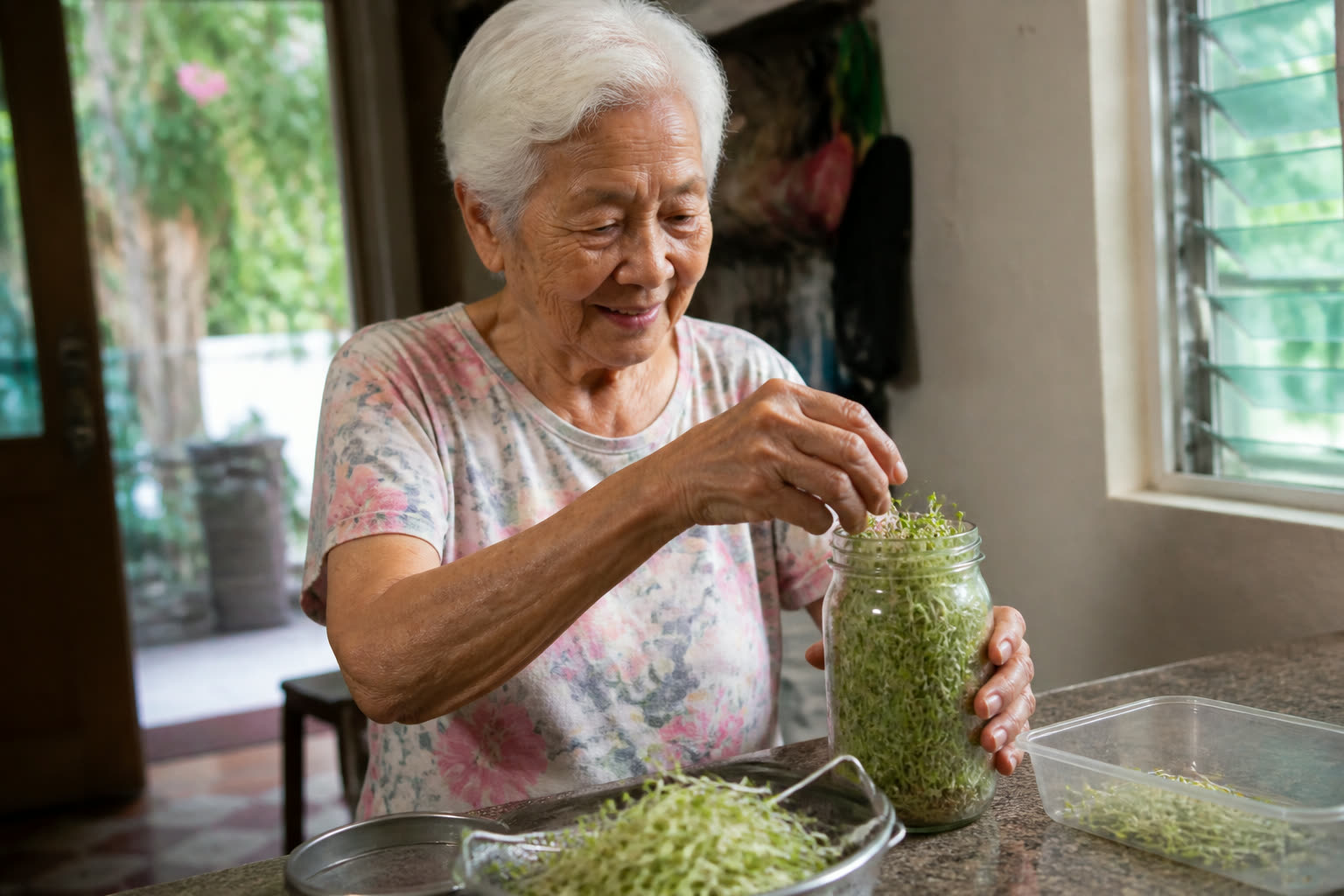
Growing Sprouts at Home for Seniors: Quick Fresh Nutrition
By Doug Jones
Q: Why are home-grown sprouts good for senior nutrition?
A: Sprouts grown at home offer highly concentrated vitamins, enzymes, and plant protein that support digestion and healthy immune function in seniors.
What's In This Article
- Doug's original column: The Kitchen Island
- Simple Steps for Countertop Sprouting for Seniors
- Unlocking the Power of Fresh Sprout Nutrition
- Safe and Easy Home Gardening for Older Adults
- FAQ: the questions I get asked most
Aloha! Taking charge of your health in your 60s, 70s, 80s, and beyond does not always require drastic life changes; sometimes growing sprouts at home for seniors is the simplest way to give your body a daily boost right in your own kitchen.
Up here on Kaua'i, I love finding simple, low-impact habits that nourish our bodies without costing a fortune or requiring heavy lifting. Sprouts are living, vibrant foods that pack a serious nutritional punch right as you eat them, offering clean plant protein and active digestive enzymes.
Take a look at my column below where I share a few thoughts on how these little powerhouses can fit onto your plate, plus a fun story from our local Kapa'a walking group. Grab a cool glass of water and read on!
Start free at Super7System.com, or take the free fitness sampler and see the full program details.
Original Column: The Kitchen Island

SPROUTING ON THE KITCHEN ISLAND... ON THE GARDEN ISLAND!
Aloha Friends in Fitness,
Before we spring into the splendors of sprouting, I want to remind you to join me and my fellow friends in fitness for our Super Sunday Sunset Stroll (8/20 at 6:00 pm). Tomorrow, we will be meeting in the parking lot of the Kapa`a Swimming Pool, right behind Chicken in a Barrel BBQ on Kou Street.
I am still giving away smiley face hats to all participants, even if you choose to do more talking than walking. On Sundays, my pace is a strolling saunter, not a sprinting skedaddle.
During our last outing, I chatted with somebody about the benefits of growing sprouts at home, and having a miniature Garden Island on your own countertop, providing the epitome of fresh nutritive fitness.
Sprouts pack a concentrated nutritional wallop. These tiny seeds, when soaked in water, spring to life, offering a fresh source of nutrition. Unlike many store-bought vegetables that have been harvested days or even weeks earlier, sprouts are consumed while they are still growing and at their peak nutritional value.
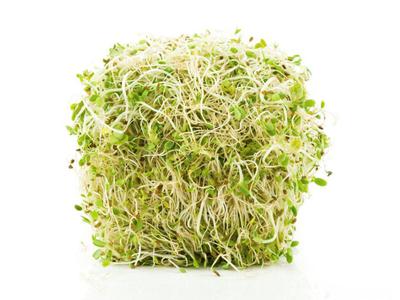
When it comes to a plant-based source of protein, sprouts are an unexpected hero. For instance, mung bean sprouts contain about 42% protein. Broccoli sprouts are even richer, with around 60% protein. Lentil and adzuki bean sprouts are also protein-packed, coming in at 46% and 43%, respectively. Considering that a pound of any of these contains only 100-150 calories, and are full of fiber, you just can't outeat them. Stuff yourself silly!!
And here's the kicker: while most foods lose nutrients during cooking, sprouts are unique. Sprouts introduce us to the live enzymes that are often lost in cooked foods. These enzymes are essential catalysts that play a vital role in digestion and help our bodies absorb nutrients more efficiently. They are like nature's little helpers, ensuring that the nutrients in our food are broken down and utilized to their fullest potential.
Hopefully, you remember one of my secrets to super sustenance, eating vegetables before eating anything else. Well... sprouts are vegetables, too! (hint hint!)
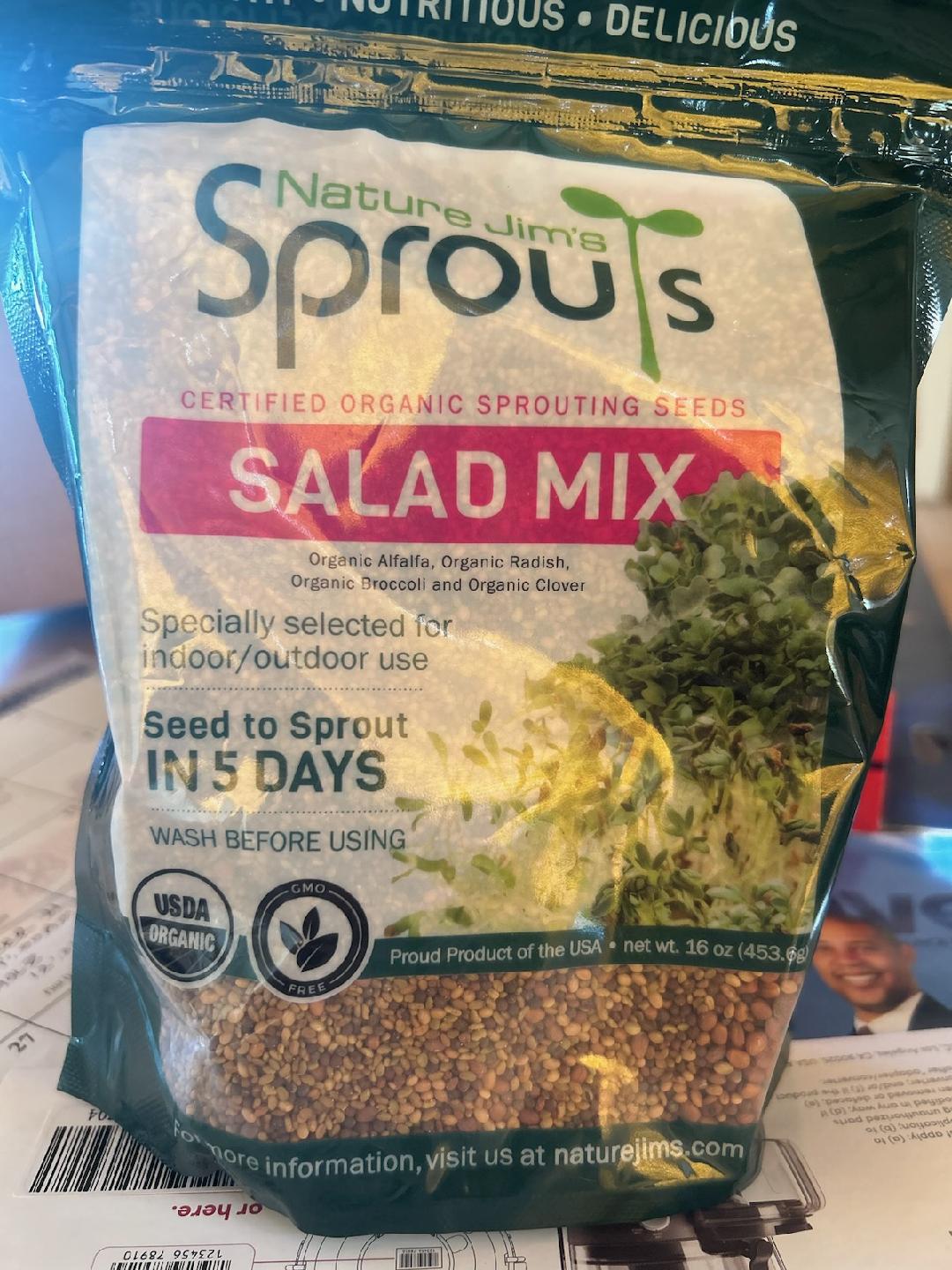
Incorporating sprouts into our daily routines can be a simple, yet truly transformative, step toward wholesome whole-food living. The ease of cultivation, the economic benefits, and the abundance of nutrients that they provide make sprouts the original superfood. They actually increase in nutritive value as they grow and "ripen" right in front of your eyes, developing green leaves (cotyledons) which contain chlorophyll.
Chlorophyll offers a variety of health benefits and is sometimes referred to as "plant blood." It's a potent antioxidant and has been studied for its detoxifying effects on the body.
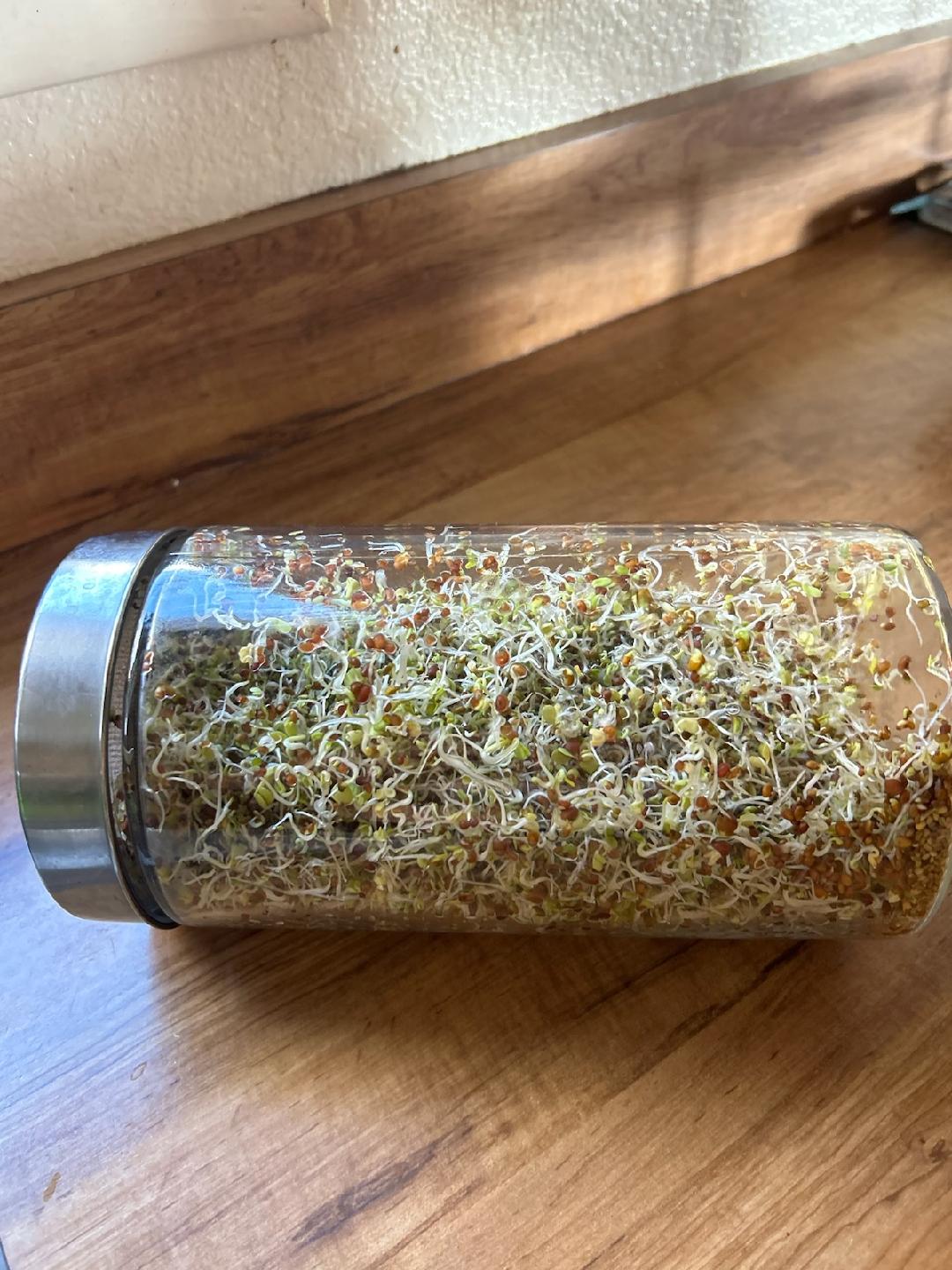
Please consider my invitation to embrace eating a healthy dose of sprouts as a staple in your daily diet. Sprouts are a nutritional marvel that deserve a permanent spot on your plate, if not the entire platter. You can join my Super 7-Week Shape-Up System for free online and watch a great introductory video all about the world of sprouting sprouts.
I could write an entire book on the benefits of eating sprouts. In the meantime, let me summarize by saying that eating fresh sprouts of seeds, beans, legumes, and lentils holds a very, very close second place to the health benefits of juicing fresh vegetables. Sprouts are one of the most nutrient-dense foods on the planet, especially when they are eaten fresh and still growing. They are one of the only foods which are actually increasing in nutritive value at the time that they are consumed. Plus, they are dirt cheap (pun intended), plentiful, tasty, packed with nutrients, and essentially non-caloric.

I dare you to eat too many sprouts. I always try to eat a pound of sprouts per day, but usually only make it halfway. Have you downed a pound today?
Incorporating sprouts into your daily routine is easy peasy, too. Soak once, rinse once per day, and watch them grow. Throw a handful of sprouts onto your salad for a crunchy texture and a burst of flavor. If you're looking for heartier options, try adding a dollop of sesame tahini, avocado, hummus, or a smear of almond or cashew butter. These healthy fats not only complement the sprouts but also provide satiety and an extra nutrient boost.

I look forward to seeing you for our "Walk & Talk" in Kapa`a tomorrow night. Bring some more great questions. It's been super duper fun! Aloha & Mahalo!
In Health & With Hope,
Doug :-)
CLICK HERE to DOWNLOAD

Ready to put your fresh nutrition to work? Try SUPER 7 FREE for a Smart-Simple-Speedy-Safe daily starting point: no gym, no equipment, no downloads - just open and go.
In Health & With Hope,
Doug :-)
Simple Steps for Countertop Sprouting for Seniors
Setting up your kitchen for success is all about safety and convenience. Countertop sprouting for seniors is one of the safest indoor nutrition projects because it requires minimal space, no heavy soil bags, and no bending down to ground level.
Here is how to set up a safe, counter-supported sprouting routine this week:
- Choose a sturdy, clutter-free spot on your kitchen counter right next to the sink so you never have to carry heavy water containers across the room.
- Use wide-mouth glass jars with secure mesh lids. They are easy to grip and effortless to rinse without straining your wrists or fingers.
- Keep a small, dry towel underneath your standing jars to catch drips and prevent slippery counter surfaces or floor spills.
- Rinse your seeds twice daily with cool water. While rinsing, keep both feet flat on the floor and lean lightly against the counter for comfortable balance.
Always practice good food hygiene by thoroughly washing your hands with warm water and soap before handling your sprouts. If you ever feel off-balance or have trouble gripping glass containers, consider lightweight, BPA-free plastic sprouting trays or ask a family member to lend a hand.
Unlocking the Power of Fresh Sprout Nutrition
When we talk about nourishing our bodies as we age, quality matters just as much as quantity. Tapping into fresh sprout nutrition gives your digestive system a gentle, highly bioavailable source of vitamins, minerals, live enzymes, and robust plant protein.
As the years go by, digestive enzymes can naturally decrease, which sometimes makes heavy meals harder to process. Sprouts contain active, naturally occurring enzymes that help break down food smoothly without causing excess gas or stomach discomfort.
Here are a few easy, low-impact ways to add these greens to your daily diet:
- Start small by layering mild mung bean or alfalfa sprouts onto your morning whole-grain toast or tucking them into a lunch sandwich.
- Pair your sprouts with a healthy fat like sliced avocado, homemade hummus, or a drizzle of olive oil to help your body absorb fat-soluble vitamins.
- If raw vegetables occasionally feel tough on your stomach, give your sprouts a light steam for sixty seconds to soften the plant fibers while preserving nutrients.
Listen to your body at every step. Introduce new foods gradually, and check in with your doctor or dietitian if you have specific dietary restrictions or immune considerations.
Safe and Easy Home Gardening for Older Adults
Traditional backyard gardening is wonderful, but hauling dirt, kneeling on hard ground, and working in hot sun can strain aging joints and lower backs. Indoor sprouting provides a fantastic form of home gardening for older adults that takes place entirely at comfortable counter height.
You get all the joy of watching seeds germinate and turn into fresh greens in just three to five days, without any physical strain or risk of tripping outdoors.
To make this indoor gardening habit safe and enjoyable, keep these simple guidelines in mind:
- Work at a comfortable waist-height counter so you never have to hunch over or overreach.
- Wear supportive, non-slip shoes while standing in the kitchen to protect your knees, hips, and balance.
- Take breaks if your hands feel tired while rinsing jars; comfort and joint safety always come first.
Indoor countertop gardening keeps your mind engaged, your spirits high, and your plate filled with living color. It is a simple, uplifting daily ritual that brings a little piece of the Garden Island right into your home.
For general background, see NIA healthy eating guidance.
FAQ: Questions I Get Asked Most
Is growing sprouts at home for seniors safe to do in small kitchens?
Yes, growing sprouts at home for seniors is very safe and accessible, even in small kitchens. All you need is a single jar on a clean counter next to your sink. Keep your workspace uncluttered, wear non-slip shoes, and practice good sanitation by washing your hands and jars thoroughly before each crop.
Which types of sprouts are best for beginners to grow?
Mung bean, alfalfa, and clover seeds are ideal for beginners. They germinate quickly within three to five days, taste mild, and are easy to rinse. Lentils and broccoli seeds are also fantastic options once you feel comfortable with the simple twice-daily rinsing routine.
How do fresh sprouts help with digestion and energy for older adults?
Sprouts contain abundant natural enzymes that assist your stomach in breaking down nutrients efficiently. Because they are soft, rich in fiber, and packed with bioavailable protein and antioxidants, sprouts provide clean, easily digestible energy without placing heavy strain on your digestive tract.
Should I eat my home-grown sprouts raw or cooked?
Eating sprouts raw offers maximum live enzymes and a crisp texture. However, if you have a sensitive stomach, swallowing difficulties, or an underlying health condition, lightly steaming your sprouts for one to two minutes makes them softer and safer to digest while preserving most of their high nutritional value.

About the Author: Douglas Jones, BS, MA, CSCS
Douglas Jones earned his Master's Degree in Exercise Physiology from the University of Maryland and is a Certified Strength and Conditioning Specialist. As an Exercise Physiologist and Concierge Fitness Professional based in Kaua'i, he has helped thousands of clients in person and millions online build simple, science-based habits for strength, stamina, stretching, and sustenance.
Doug is the founder of the Super 7 System — a complete training system you can do at home in as little as 7 minutes a day.
Watch his free intro and start free at Super7System.com.
Medical disclaimer: This article is educational only and is not medical advice, diagnosis, or treatment. Stop any movement that causes pain, and check with your healthcare provider before starting new exercise or changing your diet.
Seven honest minutes at your own counter. Try Super 7 Free →