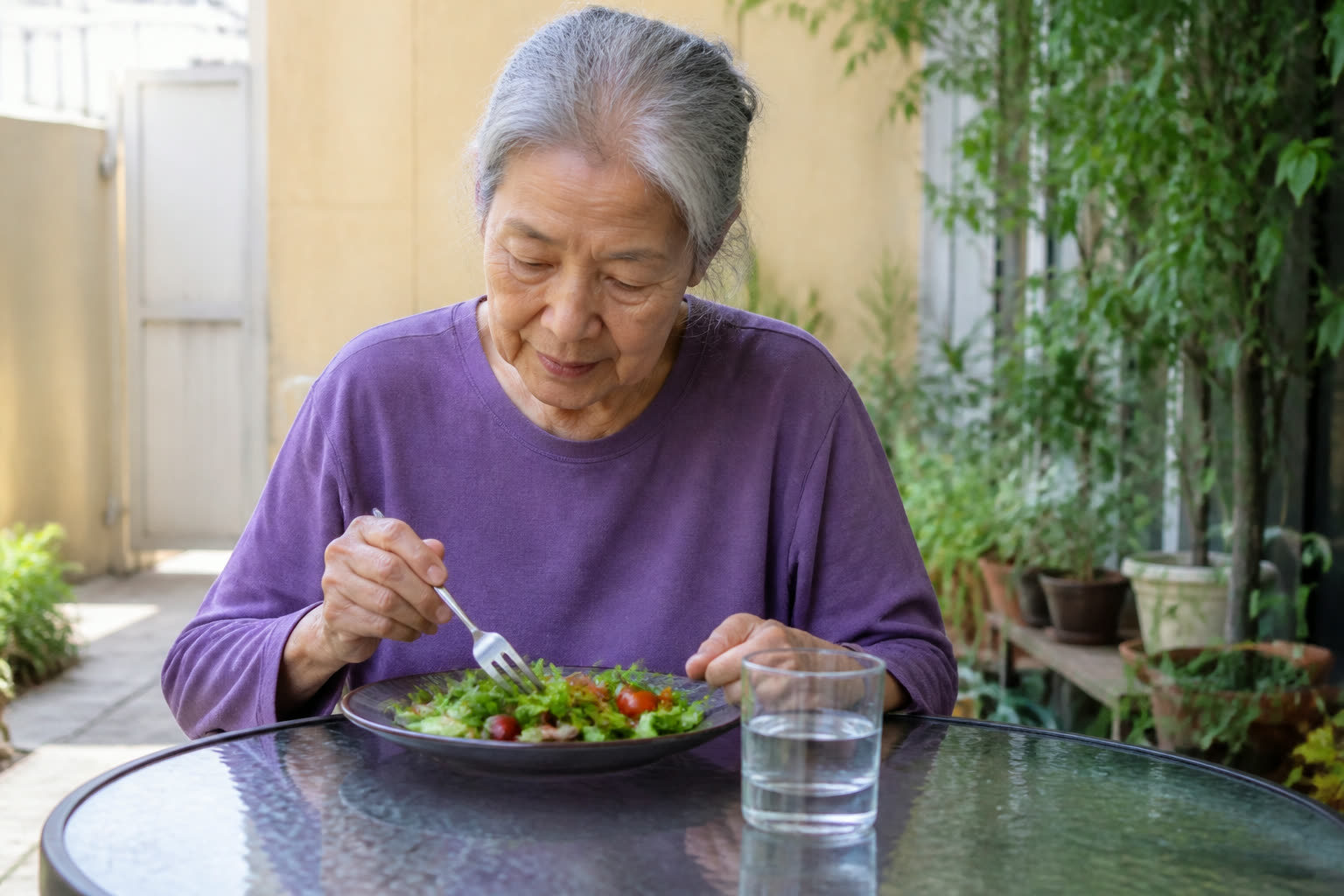
Healthy Grazing Diet for Seniors: Daily Energy & Fat Loss
By Doug Jones
Q: How does healthy grazing help seniors maintain steady energy?
A: Eating smaller, nutrient-dense mini-meals throughout the day helps prevent blood sugar spikes and crashes, sustaining physical energy while encouraging gentle fat loss.
What's In This Article
- Doug's original column: Sustenance Secret #3
- How Mini Meals for Older Adults Support Safe Digestion
- Building a Sustainable Grazing Eating Pattern for Seniors
- Maintaining Energy with a Steady Blood Sugar Diet Senior Strategy
- FAQ: the questions I get asked most
Switching to a healthy grazing diet for seniors can completely change how your body handles energy, digestion, and appetite throughout the day. Out here on Kaua'i, I often tell my training clients that our bodies prefer a gentle, steady trickle of fuel rather than a heavy deluge once or twice a day.
As we enter our 60s, 70s, 80s, and beyond, our digestion and metabolism thrive on predictability. Skipping meals or waiting until your stomach is growling places unnecessary strain on your internal systems and leaves you feeling drained.
Below is a classic column I wrote answering a wonderful letter from Marie in Hanalei. Read on to discover why eating smaller portions more frequently is one of the safest, simplest ways to stay lean, energized, and vibrant.
Start free at Super7System.com, or take the free fitness sampler and see the full program details.
Original Column: Sustenance Secret #3
Dear Doug,
Thank you for your continued thoughts about nutrition and weight loss.
— Marie, Hanalei -
Aloha Marie,
Mahalo for sticking with me throughout this three-part answer. As you’ll hopefully recall, my previous two columns covered my first two principles for Super Sustenance:
- Eat Fruit First, Before Anything.
- Eat Veggies First, Before Anything Else.
You can reread these columns online in the Health and Fitness section of The Garden Island Newspaper’s website. I also have direct links to all of my columns on my website.
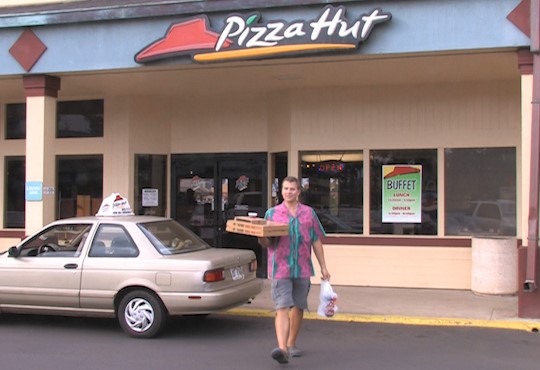
Especially when it comes to Super Sustenance, it is vitally important that you don’t pick and choose only the appetizing guidelines. For instance, you shouldn’t stuff yourself silly without being willing to emphasize raw and fresh produce. While this stands to reason, our tiny taste buds are in a relentless battle with our brain and body. So, please keep your priorities in order as you digest my third principle for nutritive fitness:
3. Eat Like a Horse!!
Yes! For many people, and most bodies, the secret to Super Sustenance and healthy fat loss is grazing like a horse. In my Super 7-Week Shape-Up System, I recommending eating 7 separate times throughout the day. Yes, this includes your pieces of fruit each morning. In fact, any time you eat anything counts, even if only a tiny snack (like some stalks of celery or a handful of raw nuts). A snack is a meal and, ideally, meals should be considered larger snacks.
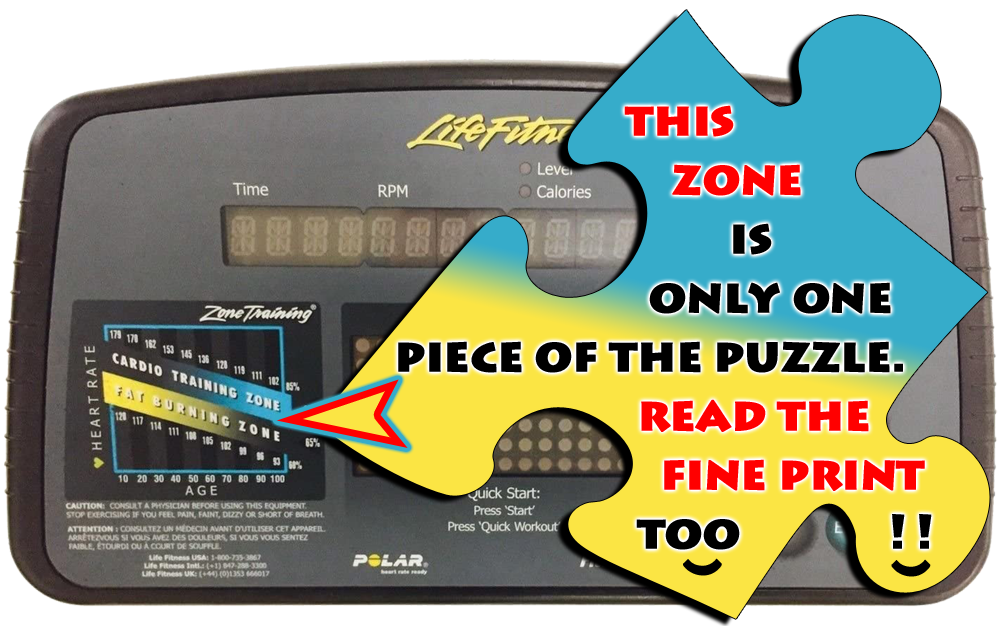
This secret is simple… snack, don’t starve. Every time you eat, your body burns calories during the digestion process. For most people, this caloric expenditure actually exceeds how many calories they burn by exercising each day. So, take advantage of it. If you eat well, you can also eat often.
The body is an incredible machine and, in many ways, as smart as the brain. In a nutshell, if you feed it, it knows that food is available, so it sheds fat. If you starve it, it responds to the deprivation by trying to store every morsel. Work with your design, not against it. You’ve seen those who eat like a horse and are as skinny as a fence post, right? Often, it’s cause and effect. • Each time you eat, your metabolic rate increases, causing your body to heat up for several hours. Some individuals actually respond by swEating at big meals. This phenomenon is called Dietary Induced Thermogensis, or the Thermic Effect of Food. Your body is burning calories (producing heat) due to the additional energy required to ingest, digest, absorb, assimilate, transport, utilize, and store the macro- and micronutrients. Eating burns calories. Period!
- Another incredible benefit of increasing meal frequency is the alteration of an enzyme, lipoprotein lipase (LPL). One major function of this enzyme is the facilitation of fat stored within the body’s fat cells. If you don’t eat regularly, your level of LPL increases dramatically, and rapidly. It’s a great protective mechanism yet is accompanied by an undesirable side effect. With higher levels of LPL, you are likely to store more fat.
- Simply stated, eating more frequently (aka not starving) significantly DEcreases the amount of LPL in your body. This, in turn, makes the process of fat storage much more difficult, causing you to store less fat. All things being equal, the more frequently you eat, the more likely you’ll be lean.
- Spreading your HEALTHY food intake over smaller, more frequent meals stabilizes blood sugar and insulin levels. This gives your brain and body a slow, steady supply of essential nutrients, allowing you to function at more optimal levels throughout the entire day. Although an occasional luau pig-out is great, healthy Garden Island grazing is greater.
- Don’t run out of gas and don’t overflow your reservoirs. Eat before you get hungry and stop eating before you get full. It’s all right if your snacks and meals are of similar size (hint hint). Tune into how your body feels; don’t feel hungry and don’t feel full.
There are always exceptions to rules, questions on answers, and special situation solutions; however, these three Simple Secrets to Sustenance can stand as firm foundations in your quest to nourish your body while staying healthy and lean.
Do your best to follow these principles each day and you’ll notice results every tomorrow. Each morning is a fresh start. Every bite is a new beginning.
- Fruit Before Anything.
- Veggies Before Everything Else.
- Grazing… Not Gorging.
In Health & With Hope,
Doug :-)
Ready to put your eating habits to work? Try SUPER 7 FREE for a Smart-Simple-Speedy-Safe daily starting point: no gym, no equipment, no downloads - just open and go.
In Health & With Hope,
Doug :-)
How Mini Meals for Older Adults Support Safe Digestion
As the years go by, our stomach capacity and digestive speed naturally shift. Sitting down to three traditional, heavy meals can lead to heartburn, uncomfortable bloating, or that sluggish feeling that lingers for hours. Shifting your mindset toward mini meals for older adults makes digestion much smoother and safer for your entire body.
A mini meal is not a feast; it is simply a small portion of fresh, nutrient-dense food. Think of a few slices of fresh papaya, three crisp celery stalks, or a tiny handful of raw almonds. By keeping your portions modest, your body uses far less energy to break down nutrients, keeping your gut happy and comfortable.
Here is a safe, practical way to start this week:
- Prep small bite-sized portions ahead of time so healthy options are easy to reach in the fridge.
- Keep a sturdy chair or counter nearby when prepping food if standing for long periods tires your lower back.
- Stop eating as soon as you feel lightly satisfied, well before you feel stuffed or heavy.
Always listen to your body's signals. If you have specific dietary guidelines from your healthcare provider, adjust your small meal ingredients to align with their guidance.
Building a Sustainable Grazing Eating Pattern for Seniors
Adopting a grazing eating pattern for seniors does not mean mindlessly munching on salty crackers or processed snacks all day long. True grazing is intentional. It means distributing high-quality nutrients across six or seven tiny eating moments from morning until early evening.
When you eat small bites every two to three hours, your body realizes that nourishment is readily available. It stops trying to hold onto every single calorie as fat out of fear of starvation. Additionally, the physical act of digesting small bites gently raises your metabolic rate through dietary induced thermogenesis. You stay warm, alert, and steady on your feet.
Try this simple rhythm throughout your day:
- Morning: Fresh fruit first thing to hydrate and wake up your system naturally.
- Mid-morning: A small handful of raw walnuts or a hard-boiled egg.
- Lunchtime: A light bowl of fresh leafy greens or sliced cucumbers.
- Afternoon: A small cup of clear vegetable soup or sliced bell peppers.
Take your time and chew every bite thoroughly while sitting comfortably in a supportive chair. If you ever feel lightheaded, pause and check in with your doctor.
Maintaining Energy with a Steady Blood Sugar Diet Senior Strategy
Blood sugar spikes and sudden energy crashes take a heavy toll on mature bodies. Following a steady blood sugar diet senior approach helps keep your glucose levels smooth, avoiding those shaky, exhausted afternoons that leave you reaching for sweet treats or heavy caffeine.
When blood sugar swings wildly, insulin rises, signaling your body to lock away fat cells and hold onto weight. By spreading tiny meals evenly throughout the day, you prevent those drastic highs and lows. Your brain receives a steady supply of energy, which supports balance, mental clarity, and daily confidence.
Here are three safety-focused habits for steady energy:
- Pair fresh fruits or vegetables with a small bit of lean protein to slow down sugar absorption.
- Eat your next small bite before your stomach starts growling loudly so you never feel ravenous.
- Drink plenty of fresh water between mini meals to stay hydrated without crowding your stomach at mealtime.
If you manage blood sugar or blood pressure with medication, monitor your numbers closely as you shift your habits and keep your medical provider informed.
For general background, see NIDDK - Health Tips for Older Adults.
FAQ: Questions I Get Asked Most
What is a healthy grazing diet for seniors?
A healthy grazing diet for seniors involves eating six or seven tiny, nutrient-dense meals throughout the day instead of two or three large meals. This gentle approach keeps your metabolism active, prevents digestive strain, and provides a continuous supply of steady energy to keep you active and lean.
How often should older adults eat during the day?
Most older adults thrive by eating small bites every two to three hours. Spreading your food intake across seven small moments prevents overeating, supports smooth digestion, and reduces fat storage by keeping your metabolism humming throughout your waking hours without feeling heavy.
Will eating more frequently cause weight gain in seniors?
No, provided the overall amount of food remains light and nutritious. Eating small portions frequently actually lowers levels of fat-storing enzymes like lipoprotein lipase. Your body burns energy digesting these small meals and feels secure enough to let go of unnecessary body fat.
What are good small snacks for a senior grazing routine?
Excellent choices include fresh fruit, sliced raw vegetables like celery or carrots, a small handful of raw nuts, or a spoonful of cottage cheese. Choose fresh, whole foods that are soft enough to chew comfortably and easy on your digestive tract.

About the Author: Douglas Jones, BS, MA, CSCS
Douglas Jones earned his Master's Degree in Exercise Physiology from the University of Maryland and is a Certified Strength and Conditioning Specialist. As an Exercise Physiologist and Concierge Fitness Professional based in Kaua'i, he has helped thousands of clients in person and millions online build simple, science-based habits for strength, stamina, stretching, and sustenance.
Doug is the founder of the Super 7 System — a complete training system you can do at home in as little as 7 minutes a day.
Watch his free intro and start free at Super7System.com.
Medical disclaimer: This article is educational only and is not medical advice, diagnosis, or treatment. Stop any movement that causes pain, and check with your healthcare provider before starting new exercise or changing your diet.
Seven honest minutes at your own counter. Try Super 7 Free →