
How Long to Hold a Stretch: 7 Seconds for Seniors Over 60
By Doug Jones
How Long to Hold a Stretch: 7 Seconds for Seniors Over 60
How long should you hold a stretch after 60?
Aloha! When deciding how long to hold a stretch, you do not need minutes of painful pulling. For seniors, holding a static stretch for just 7 seconds, followed by a 7-second gentle contraction and another 7-second stretch, delivers phenomenal flexibility fast! Smart, simple, and incredibly effective for YOU!
What's In This Article
- The 7-Second Rule: Understanding How Long to Hold Stretches
- How Long to Hold a Stretch for Maximum Results
- The 7-7-7 Technique: Smart, Simple, and Speedy Flexibility
- Integrating Short Stretch Holds into Your Daily Routine
- How long to hold a stretch: Questions I Get Asked Most
Aloha from sunny Kaua'i! Watching the beautiful ocean waves near Bali Hai always reminds me that keeping our bodies limber should feel natural and completely effortless. Many folks write in asking about proper flexibility techniques, specifically wanting to know how long to hold a stretch to get real, lasting results without risking injury.
The truth is, YOU do not have to spend long minutes bending yourself into a pretzel to stay limber! The difference between doing nothing and next to nothing... is EVERYTHING! By using targeted timing, you can release tight, stubborn muscles quickly and safely. My approach relies on a time-tested physiological principle called 'Eccentrics in Stretching' that takes mere seconds per muscle group. It is Smart-Simple-Speedy-Safe, which is exactly how senior fitness should always be!
Whether you want to move easier during daily walks or just loosen up tight hamstrings, getting the timing right makes all the difference in the world. You can learn more about my full training methods with the Super 7 System approach to fitness.
Below is the original newspaper article where I break down this exact technique step-by-step. Here is the column that started it!
The 7-Second Rule: Understanding How Long to Hold Stretches
My previous two columns covered the general benefits of flexibility and the specific advantages of Eccentrics in Stretching, aka “proprioceptive neuromuscular facilitation.” If you need to catch up, all of my columns are available at the website listed below.
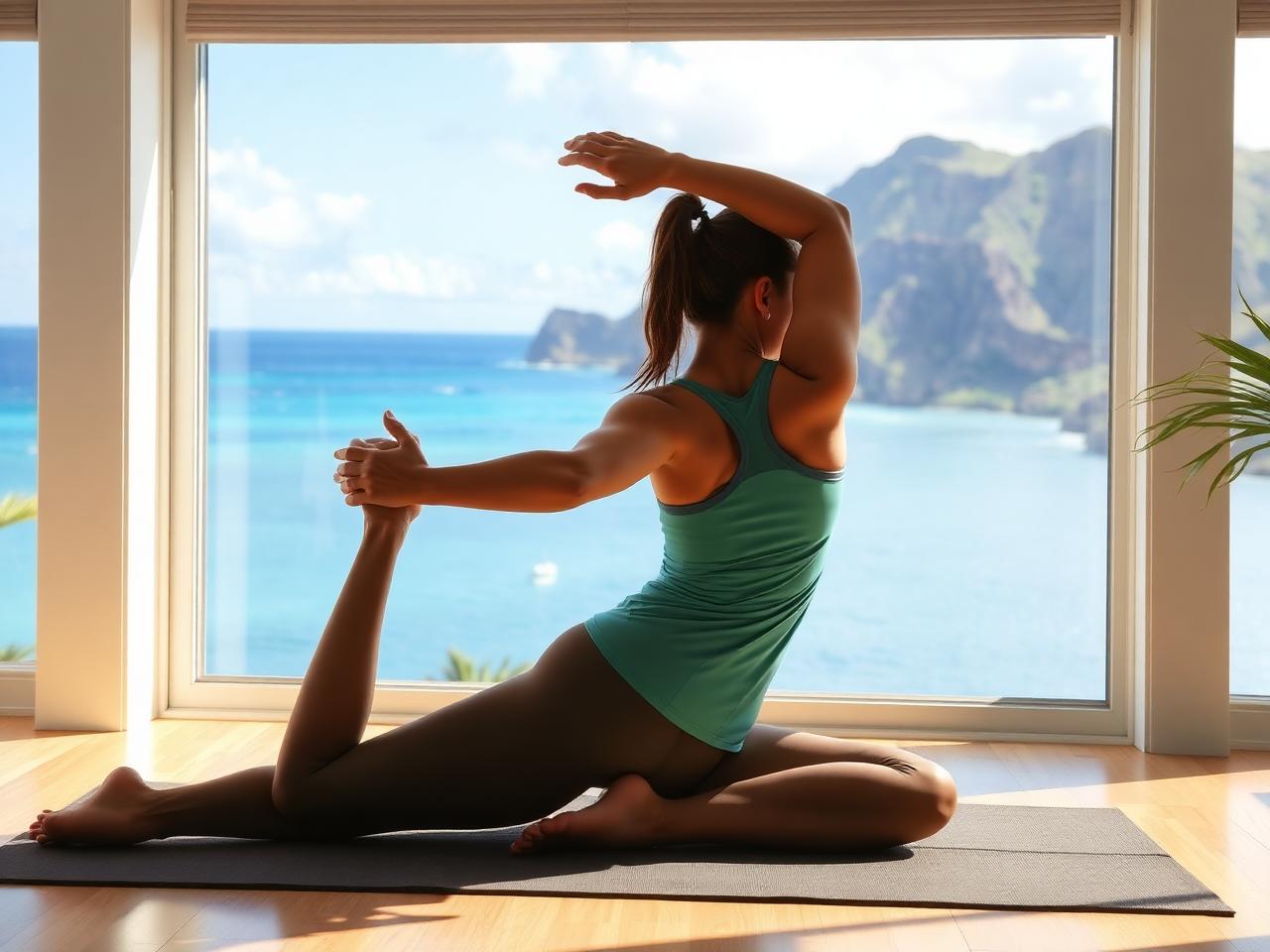
Today, I will give you my quickest explanation of the fastest way to flexibility. While this phenomenal stretching phenomenon can be applied to every muscle, let’s take a look at one of the most problematic… the hamstrings.
If you play along, prepare to be amazed! However, always warm up and work out first; never stretch a cold muscle.
[Editor safety note: If getting to the floor is hard, do this same 7-7-7 seated on a bed or bench, or standing while holding a counter - never force floor work.]
- For this particular example, sit down (on a bench, bed, or floor) with one leg straight and the knee of the other leg comfortably bent. We will focus on increasing the range of motion of your straight leg’s hamstring muscles on the back of your thigh (semimembranosus, semitendinosus, and biceps femoris).
- Slowly move into the fully-stretched position by gradually leaning your entire upper body forward (not just your head). It may be easier for you to hold onto your leg and to use your arms to help pull yourself towards your straight leg. As the muscles relax, you should be able to gradually deepen the stretch. Hold the final stretched position for at least 7 seconds.
- Now, with your hamstring muscles fully-stretched, hold onto your leg with both hands to lock yourself into this position. Then, while remaining completely motionless, slowly and progressively push down with your straight leg and foot (while breathing out), as if you are trying to drive your heel into the floor (or bed or bench). Though attempting to move your foot toward the ground, you actually DO NOT MOVE your body whatsoever during the contraction. This statically-stretched contraction process is called “Eccentrics in Stretching,” which you will continue to push and hold for an additional 7 seconds.

- Onlookers should not be able to tell that you are doing anything other than a static (motionless) stretch. As you exhale, you are relaxed everywhere… except for your hamstring muscles, which are isometrically contracting from a fully-stretched position. You should definitely feel an increase in tension in the back of your thigh.
- After you have held this contraction for 7 seconds, GRADUALLY RELAX those contracted fibers, while maintaining the EXACT same position throughout. You shouldn’t move AT ALL during this entire stretch-contract-relax process.
- This contraction of a few muscle fibers in the hamstrings actually increases the elongation of the other muscle fibers in the hamstrings. It moves the fibers away from the center of the muscle and IMMEDIATELY increases the flexibility of that muscle. The effects of Eccentrics in Stretching are incredibly instantaneous and how this works within the body is magnificently miraculous.
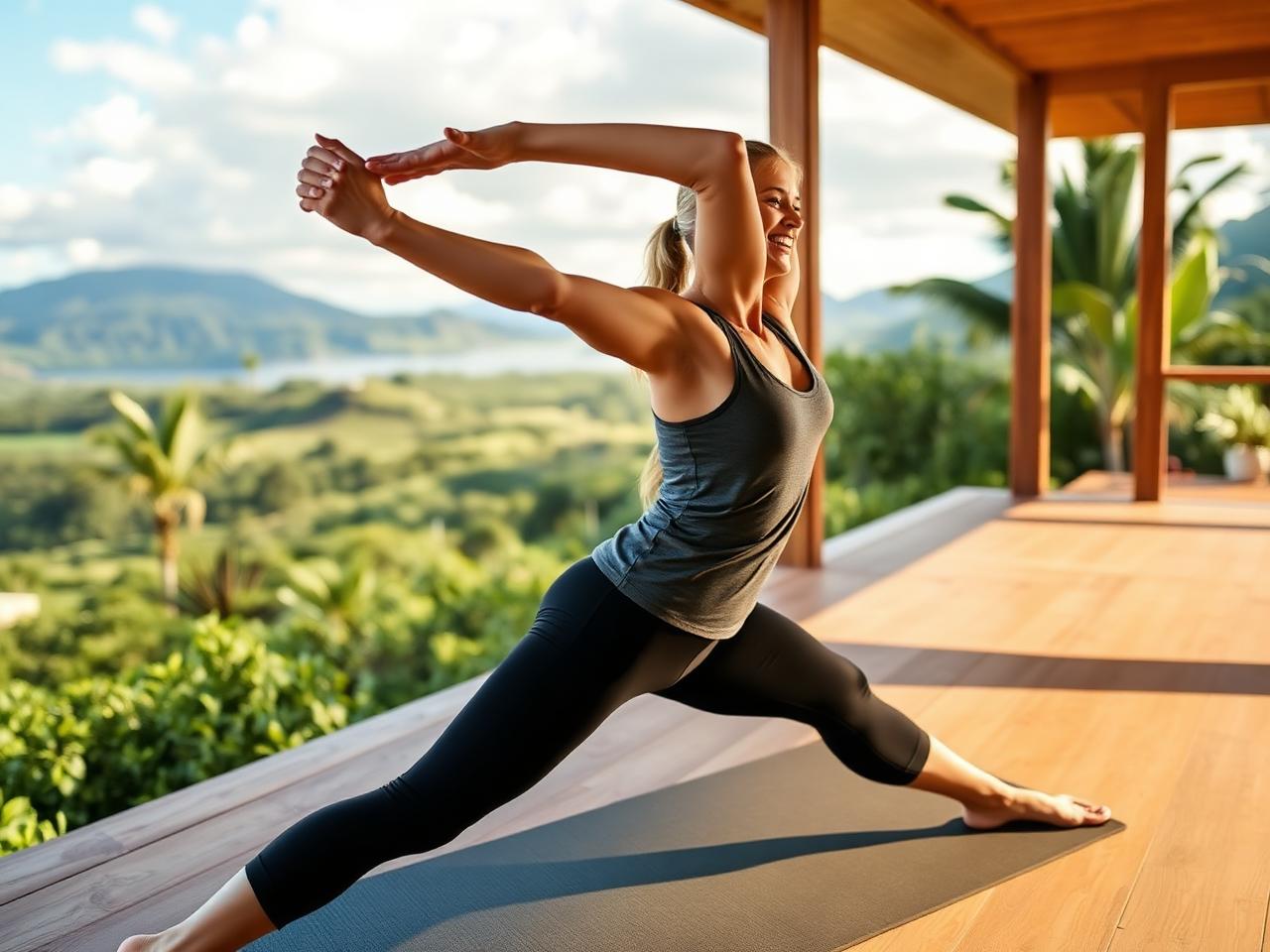
- Once you are completely relaxed and no longer contracting, be prepared to be amazed. You should now be able to continue to increase the distance of your original stretch… typically moving your upper body towards your leg much further than initially. You should be able to deepen the stretch to a much greater extent than before the 7-second contraction. Then, hold this new stretched position for 7 seconds before slowly exiting the stretch. It is VERY important to exit all stretches gradually and carefully. You can repeat this entire process another time or two. Then, of course, you need to do likewise with the other leg.
Eccentrics in Stretching causes your muscles to be temporarily, and eventually permanently, stretched “off-center.” All you have to do is statically stretch the muscle for 7 seconds, perform an “eccentrically stretched contraction” for 7 seconds, deepen the stretch for another 7 seconds… and then slowly release out of it. 7-7-7 for each muscle and you’re good to go.
Whether performed between each exercise or at the end of every workout, Eccentrics in Stretching is as time-efficient as it is productive. For more training tricks on Strength, Stamina, Stretching, and Sustenance, you can access all of my Garden Island Newspaper columns via my website below.
I look forward to hearing your questions and answering all of them in columns to come.
How Long to Hold a Stretch for Maximum Results
When it comes to loosening up tight muscles, timing is everything. A lot of folks wonder about exact timing details and ask me how long to hold a stretch to see noticeable improvements. The magic number in my proven technique is seven seconds! Holding a stretch for seven seconds gives your muscle spindles and nervous system just enough time to recognize the elongated position without triggering a protective rebound tightness.
Traditional static stretching often recommends holding uncomfortable positions for thirty to sixty seconds. But for active seniors over 60, holding a hard pull that long can cause unnecessary joint strain or muscle fatigue. By focusing on quality over duration, you teach your muscle fibers to relax far quicker. Remember, never stretch a cold muscle! Always do a brief warm-up walk first.
Why Seven Seconds Works So Well
Your muscles contain tiny sensory organs that monitor tension. When you gently move into a stretched position for seven seconds, these sensors signal the brain that it is safe to loosen up. This opens up an immediate physiological window of opportunity to deepen your flexibility safely without forcing anything.
For instance, tight hamstrings are extremely common and can pull on your lower back. Giving those muscles a precise 7-second hold calms the stretch reflex instantly, setting the stage for deeper movement without pain.
The 7-7-7 Technique: Smart, Simple, and Speedy Flexibility
To take your flexibility to the absolute next level, we combine the initial hold with a gentle isometric contraction. After your first seven seconds, you lock yourself in position and gently push back against resistance for another seven seconds. This gentle effort contracts a few muscle fibers while stretching others off-center!
After that contraction, you relax completely and immediately deepen the stretch for a final seven seconds. That is the 7-7-7 rule: stretch for 7 seconds, contract for 7 seconds, and stretch deeper for 7 seconds! Knowing exactly how long to hold a stretch during each distinct phase turns minutes of tedious pulling into seconds of pure relief. MAHALO to proper physiology!
Safety First for Seniors Over 60
Always keep safety at the forefront of every routine. Stand near a sturdy kitchen counter or wall for support whenever doing standing balance work, or stay comfortably seated on a bed or bench for hamstring stretches. Never bounce, never force a joint, and exit every single stretch slowly and carefully. You can check out more simple mobility tips using our 7-second stretching guidelines for active daily living.
Integrating Short Stretch Holds into Your Daily Routine
Consistency beats intensity every single time! You do not need dedicated hour-long flexibility sessions to feel fantastic. The difference between doing nothing and next to nothing... is EVERYTHING! Applying this simple 7-7-7 method to key areas like your hamstrings or calves takes less than two minutes total.
Do these short holds right after your daily walk, after doing yard work, or right before unwinding for the evening. When your muscles are already warm, taking a couple of brief 7-second holds maintains great range of motion and keeps YOU moving freely around our island or wherever you call home!
Three Simple Rules for Daily Success
- Always Warm Up First: Take a short stroll before stretching cold fibers.
- Breathe Steadily: Exhale gently as you press into the gentle contraction phase.
- Exit Slowly: Never snap back out of a stretched position quickly!
Listen to your body at every step. If you feel any sharp discomfort, back off immediately. Gentle pressure is all it takes to get magnificent results!
How long to hold a stretch: Questions I Get Asked Most
Is 7 seconds long enough to hold a stretch?
Yes! Holding a static stretch for 7 seconds, especially when paired with a brief contraction phase, effectively signals your muscles to relax without causing fatigue or joint strain.
Should seniors hold stretches for 30 seconds or longer?
While 30 seconds is traditional, my 7-second Eccentrics in Stretching technique gets faster, safer results for seniors by using muscle physiology rather than brute force!
How many times should I repeat a 7-second stretch?
Repeating the 7-7-7 sequence just one to three times per muscle group is plenty to dramatically improve your range of motion immediately.
Can I hold a stretch when my muscles are cold?
Never stretch a cold muscle! Always do a light warm-up walk or perform your stretches right after a workout when your tissues are warm and pliable.
Ready to put this to work today? Try SUPER 7 FREE for a Smart-Simple-Speedy-Safe daily starting point: no gym, no equipment, no downloads - just open and go.
In Health & With Hope,
Doug :-)

About the Author: Douglas Jones, BS, MA, CSCS
Douglas Jones earned his Master's Degree in Exercise Physiology from the University of Maryland and is a Certified Strength and Conditioning Specialist. As an Exercise Physiologist and Concierge Fitness Professional based in Kaua'i, he has helped thousands of clients in person and millions online build simple, science-based habits for strength, stamina, stretching, and sustenance.
Doug is the founder of the Super 7 System — a complete training system you can do at home in as little as 7 minutes a day.
Watch his free intro and start free at Super7System.com.