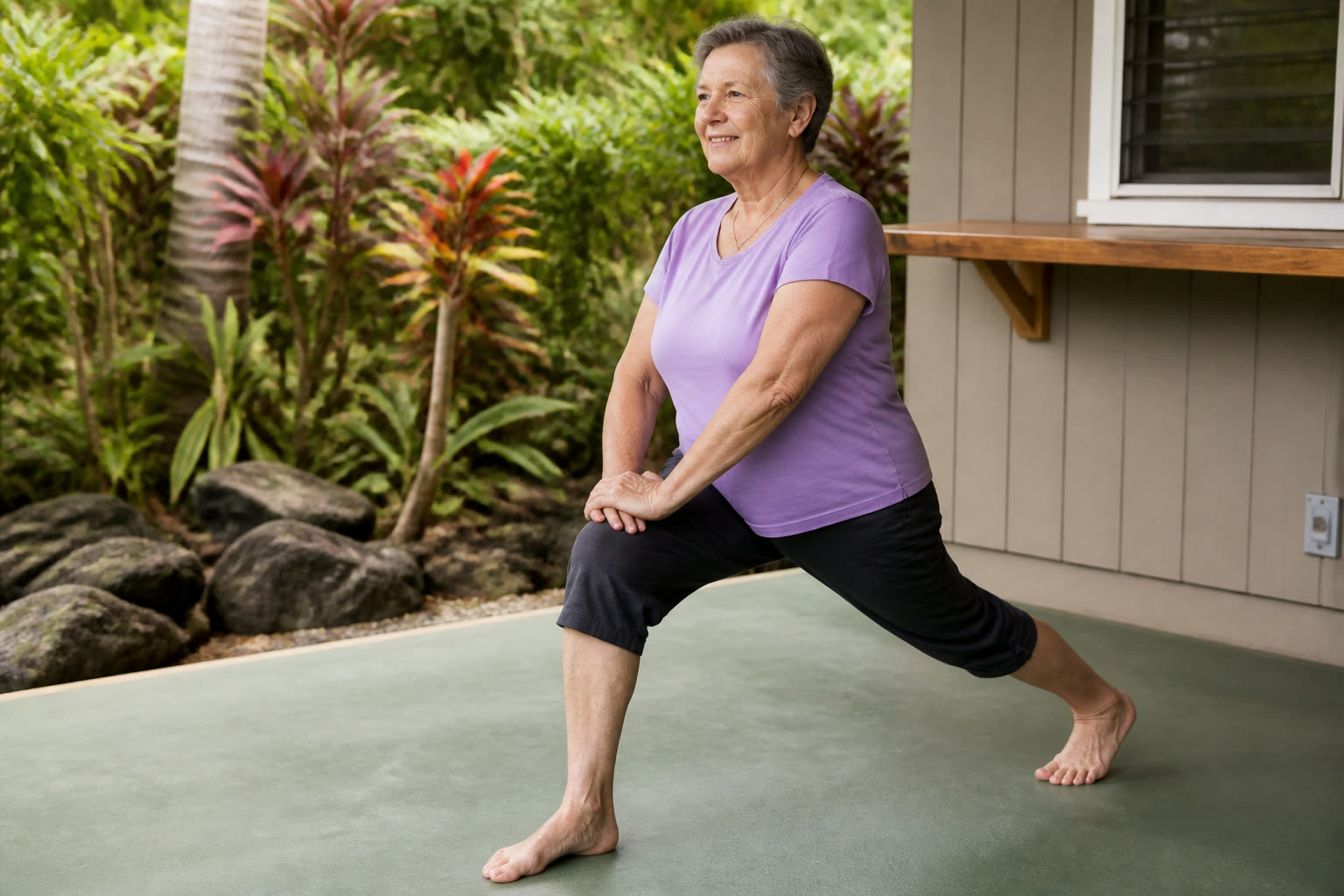
Knee Pain From Muscle Imbalance Seniors Exercise Blueprint
By Doug Jones
Q: What causes knee pain from muscle imbalance seniors experience while walking?
A: Knee pain from muscle imbalance seniors experience often stems from weak quadriceps and hamstring muscles pulling the kneecap out of proper alignment during daily walking.
What's In This Article
- Doug's original column: Majestic Muscles
- Safe Chondromalacia Patellae Exercises Seniors Can Do at Home
- Practical Tips for Improving Muscle Balance in Knees
- Effective Patellar Tracking Exercises for Elderly Adults
- FAQ: the questions I get asked most
Experiencing knee pain from muscle imbalance seniors often notice while walking around beautiful Kaua'i or down your own neighborhood street is frustratingly common. You might feel a dull ache right under the kneecap after an hour on your feet, even if you consider yourself very active and strong.
When one side of your thigh muscle pulls harder than the other, the kneecap gets tugged slightly out of its natural groove. That uneven glide leads to friction and irritation over time, making simple daily walks feel far more challenging than they ought to be.
The good news is that restoring balance to your leg muscles does not require heavy gym machinery or painful movements. In my original Kaua'i newspaper column below, I break down why this tracking issue happens and share a simple, practical way to get your knee moving smoothly again.
Start free at Super7System.com, or take the free fitness sampler and see the full program details.
Original Column: Majestic Muscles


Majestic Muscles:
...BEAMING WITH BALANCE...
Aloha Doug,
Mahalo for taking time to answer my quickie of a question. I was out on a long walk a couple of days ago, enjoying the fresh floral fragrance of a miraculous Kauaian day. After an hour or so, my knee started to ache, as it often does. It’s not deep inside the knee - but right underneath the kneecap. I’m very active and strong, and this little twinge is tweaking my giddy-up. Any ideas for a gal who still wants to gallop?
C.C.U. in Kapa`a -
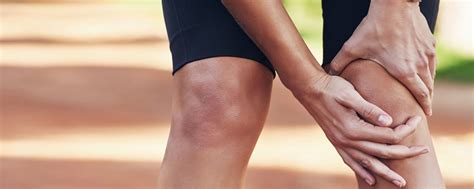
Aloooooooha!! I appreciate your question, but please note that I am not “Dr. Doug.” So, without diagnosing, I’m happy to provide my take, to give you my hope for your health. Please allow me to approach your specific issue in my typical tangential manner.
I’m going to assume that this is an ongoing issue for you, and that your orthopedist has diagnosed it as chondromalacia patellae. Sound familiar? If so, you might experience knee aches, tightness, swelling, and perhaps even a little crepitus (grinding) during knee-straightening motions, squatting, kneeling, or even long-distance walking. While I DO have a very simple solution, let’s start with my proprietary detour.
Yours is probably a question of muscle balance, something that is important for all of us. While most consider balance to be the kinesthetic keenness of a graceful gymnast, or the proprioceptive proclivities of a beautiful ballerina, I defer to differ, using more of a physiological perspective. My apologies. Haha.
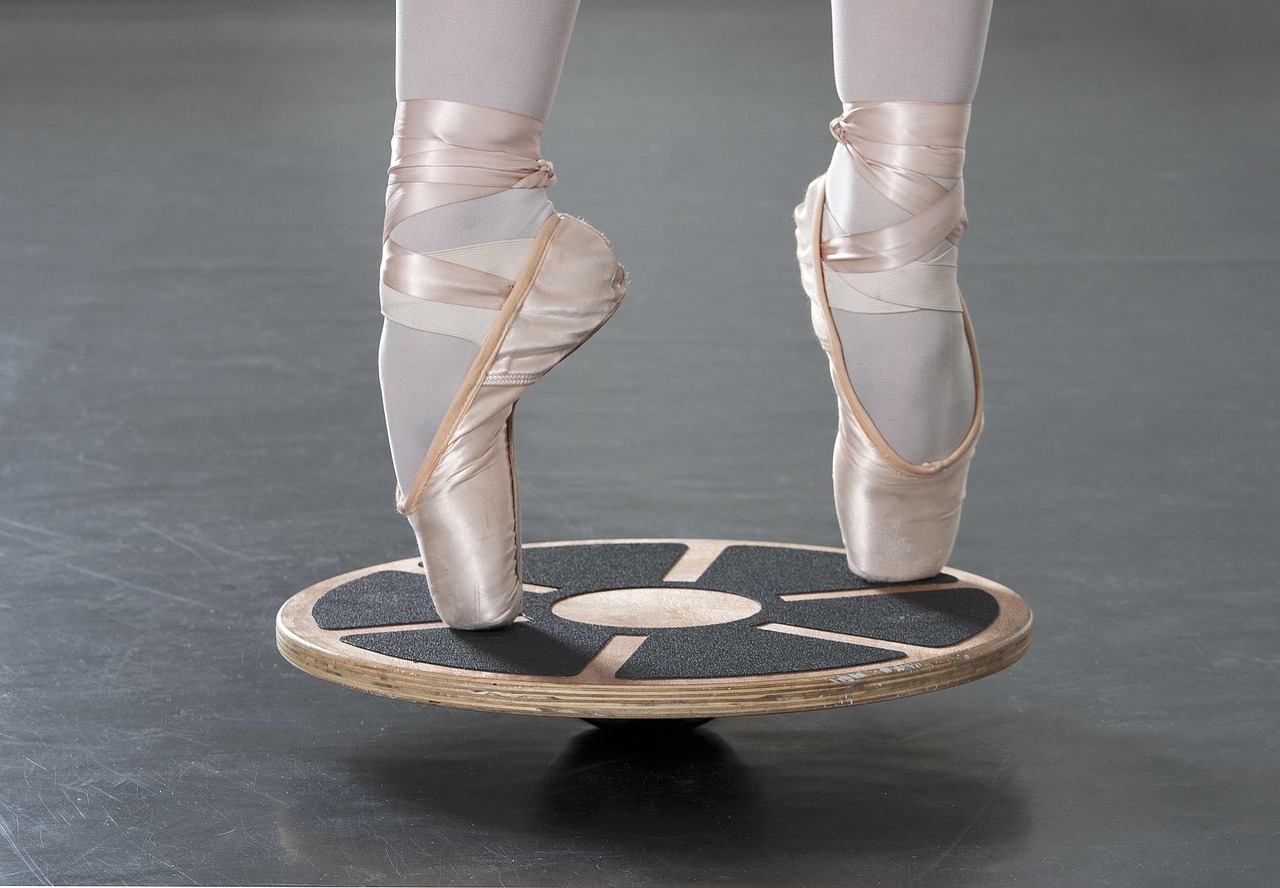
I look at muscular balance in terms of push versus pull, agonistic versus antagonistic, strength versus endurance, and flexibility versus flex-ability. If you like details, I’ve written about these topics in previous columns. To lead me into your specific knee needs, consider the following.
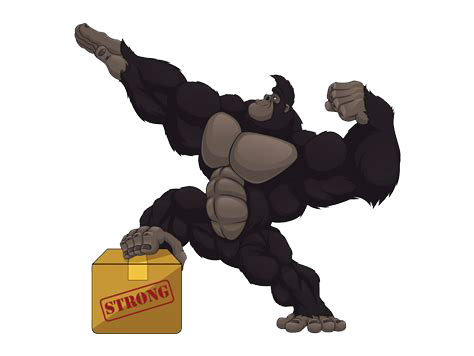
Our bodies are created for balance… front to back, side to side, top to bottom. Imagine a muscle-head, focused only on what is visible, the “mirror muscles.” I’m sure that you’ve seen the type, all upper body, and gorilla-ish in stance. Their arms are always slightly bent with their shoulders rounded forward. The “visible” muscles are strong and tight; the non-visible are weak and slack. I’m not trying to pick on gym-rats, but these guys are often all biceps and chest, because that’s all they can see in the mirror. Moreover, they only train strength, never stretching.
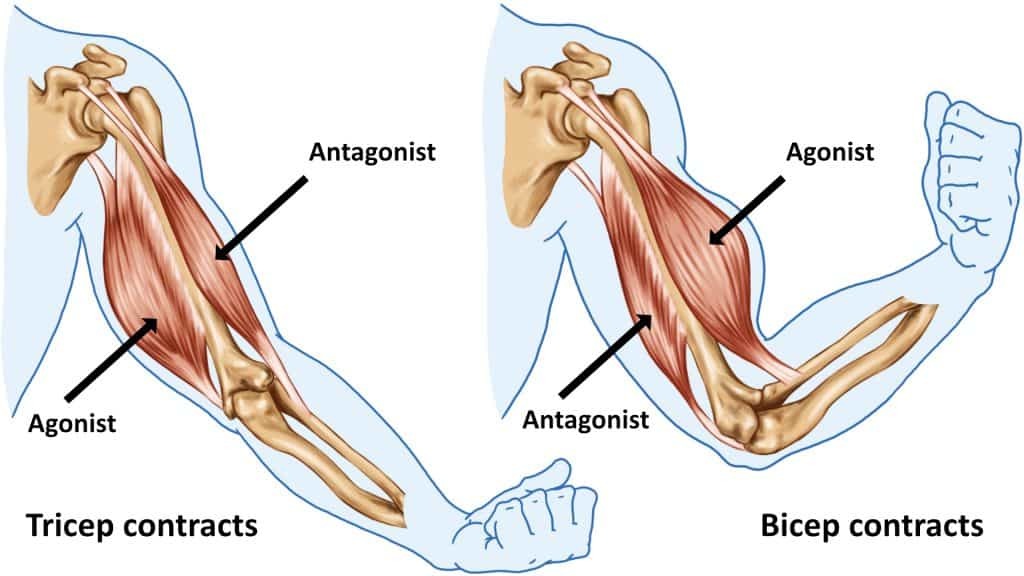
Ideally, the triceps (a three-headed muscle on the back of the arm) is, by design, bigger and stronger than the biceps (the two-headed muscle on the front). This goes for the back muscles (latissimus dorsi) as well, which are supposed to the biggest and strongest in the upper body. A strong back, along with a stretched front, develops a balanced body with perfect posture and a much-reduced potential for injury. Additionally, the “front muscles” should be stretched after each and workout, helping to prevent walking around like the King Kong of Kaua`i. Stretch the front. Strengthen the back. Easy peasy!
So, what in the world does this have to do with your particular peculiar patellar issue?
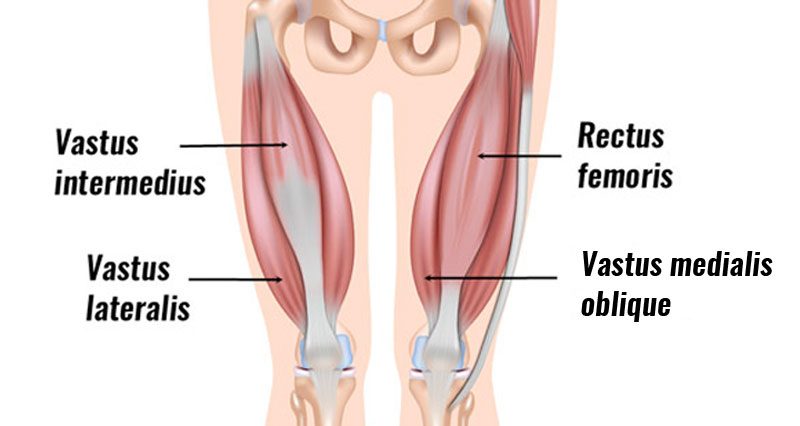
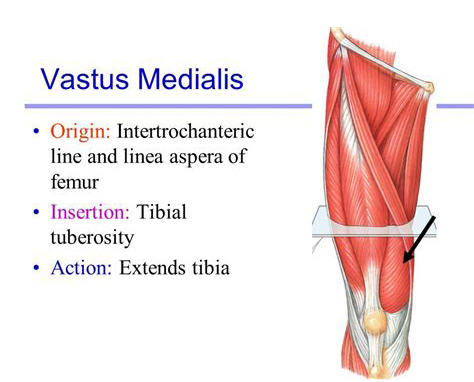
Well, IF you have chondromalacia of the knee, it means that your knee cap has probably shifted laterally. Considering that you are active and athletic, you no doubt have stronger muscles on the outside of your kneecap (quadriceps’ vastus lateralis) relative to the inside of your kneecap (quadriceps’ vastus medialis). This is typical for individuals with strong legs, yet haven’t performed targeted isolation exercises. No worries. I’ve got your back!
The following movement should help, and it certainly shouldn’t hurt (if it does, please stop). The simplest solution that has worked for countless clients over the years is a movement called “terminal leg extensions.” In a nutshell, it is the very top of the range of motion during leg extensions with resistance.
I forgot that I mentioned chondromalacia during the follwing video... from way back when. As you'll see, I do kind of mention everything, and then some. haha My IntroDougtion to the notion of chondromalacia begins at around the 1:00 minute mark. The very top of the range of motion for this exercise would be the portion of movement helping to balance out the angles of pull on your patella. Although a person with knee-tracking issues might benefit the most from performing the top range of motion, prevention is always the best cure, so it is something that I always emphasize with my personal clients. OK... enough babbling. Press play to listen to me instead.
If you prefer to train your vastus medialis in the privacy of your own home, you can definitely do so. Using a desk, table, or side of your bed, sit with your knees bent and your lower legs hanging off the edge. Extend your lower leg, so that your leg is now straight from hip to foot. You can attach an ankle weight for resistance, or just cross one foot over the other. The picture below gives a pretty good representation of the correct range of motion. From this position, the left leg should then be fully straightened, held for a second or two, and then slowly lowered back to this approximate angle.
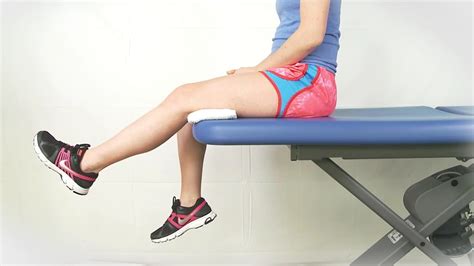
Perform the top thirty degrees (or so) range of motion… from slightly bent to fully straight. Move super slowly, up and down, for a minute or two, a few times, every other day. This targets the vastus medialis, the muscle proximal and medial to the kneecap, gradually bringing your kneecap back into alignment, resulting in more gain… with less pain.
I hope that this helps, C.C.U. :-) There is no better time to get ready for my new and improved "Walk & Talk" ventures and adventures. I hope to c. u.
!!! S👀N !!!
Ready to put your knee comfort to work? Try SUPER 7 FREE for a Smart-Simple-Speedy-Safe daily starting point: no gym, no equipment, no downloads - just open and go.
In Health & With Hope,
Doug :-)
Safe Chondromalacia Patellae Exercises Seniors Can Do at Home
When the cartilage underneath your kneecap becomes irritated from poor tracking, gentle target work helps quiet down that persistent ache. Safe chondromalacia patellae exercises seniors can practice right in the living room focus on the final few degrees of leg extension, where the inner thigh muscle works hardest.
To practice terminal leg extensions safely at home, try this simple setup:
- Sit tall on a sturdy dining chair or the edge of a firm bed so your feet dangle comfortably.
- Place a rolled hand towel right behind your knee for gentle support.
- Slowly extend your lower leg upward until your leg is completely straight, squeezing your inner quad muscle for two seconds at the top.
- Lower your foot back down slowly under control, taking three full seconds.
Start with eight to ten controlled repetitions on each leg, once or twice a day. Keep a firm hand on a nearby desk or kitchen counter for balance if you choose to practice standing variations. Always remember: movement should feel restorative, never painful. If you feel sharp knee discomfort or pinching, stop immediately and check in with your health care provider.
Practical Tips for Improving Muscle Balance in Knees
Focusing on improving muscle balance in knees requires looking at how your upper leg muscles work together as a team. Most active adults naturally develop stronger outer quadriceps from everyday walking and stair climbing, while the inner quadriceps muscle—the vastus medialis—can become slightly slack and sleepy.
To build a balanced routine this week, keep these practical principles in mind:
- Pair every strengthening move with gentle stretching for the tight outer thigh and hip muscles.
- Perform your leg straightening movements slowly, emphasizing the hold when the leg is fully straight.
- Use light ankle weights or light resistance bands only after mastering pain-free bodyweight form.
- Keep a sturdy kitchen counter or heavy table nearby for hand support during any standing leg work.
Consistency matters far more than heavy resistance. Doing a few thoughtful, controlled repetitions daily helps remind your nervous system how to activate those inner quad fibers properly. If you experience swelling, warmth, or increased aching in the joint, back off and give your legs a day or two of rest to recover safely.
Effective Patellar Tracking Exercises for Elderly Adults
Proper patellar tracking exercises for elderly individuals focus on training the kneecap to slide smoothly in its natural central groove. When the kneecap tracks correctly, friction decreases, allowing you to walk, sit, and stand with far greater comfort and confidence.
You can easily build these safe counter-supported exercises into your morning routine:
- Seated Straight-Leg Holds: While seated upright, extend one leg out straight, tighten the thigh, and hold for five seconds before gently lowering.
- Standing Terminal Knee Extensions: Stand near a counter, loop a light resistance band behind your bent knee anchored in front of you, and gently straighten your knee against the band's light pull.
- Side-Lying Leg Lifts: Lie comfortably on your side with your spine neutral, lifting the top leg slightly to strengthen the outer hips which support overall knee stability.
Always perform these movements in a pain-free range of motion. Never force a joint past a sharp pinch or grinding sensation. By taking five minutes each morning to fire up the proper stabilizing muscles, you protect your joints and stay active for years to come.
For general background, see NIAMS guide on knee pain.
FAQ: Questions I Get Asked Most
What causes knee pain from muscle imbalance in seniors?
Knee pain from muscle imbalance seniors experience typically happens when the outer quadriceps muscle grows stronger or tighter than the inner muscle. This uneven pull tugs the kneecap out of its smooth central alignment during walking or squatting, creating friction, irritation, and a dull ache right under the kneecap.
Can gentle leg extensions help with kneecap pain?
Yes, focused leg extensions in the final range of motion—specifically straight-leg extensions—are very effective. They target the vastus medialis muscle on the inside of the knee, helping balance the pull on your kneecap without straining the joint.
How often should seniors perform knee balance exercises?
Aim for short, consistent daily sessions. Performing 8 to 12 slow, controlled repetitions once or twice a day provides excellent muscle stimulation without overloading joint cartilage. Rest whenever your knees feel tired or inflamed.
Is it safe to exercise if my knee grinds or pops?
Painless grinding or popping is common as we age. However, if popping comes with sharp pain or swelling, stop exercising and consult your medical provider. Always keep movements slow, controlled, and supported by a counter or sturdy chair.

About the Author: Douglas Jones, BS, MA, CSCS
Douglas Jones earned his Master's Degree in Exercise Physiology from the University of Maryland and is a Certified Strength and Conditioning Specialist. As an Exercise Physiologist and Concierge Fitness Professional based in Kaua'i, he has helped thousands of clients in person and millions online build simple, science-based habits for strength, stamina, stretching, and sustenance.
Doug is the founder of the Super 7 System — a complete training system you can do at home in as little as 7 minutes a day.
Watch his free intro and start free at Super7System.com.
Medical disclaimer: This article is educational only and is not medical advice, diagnosis, or treatment. Stop any movement that causes pain, and check with your healthcare provider before starting new exercise or changing your diet.
Seven honest minutes at your own counter. Try Super 7 Free →