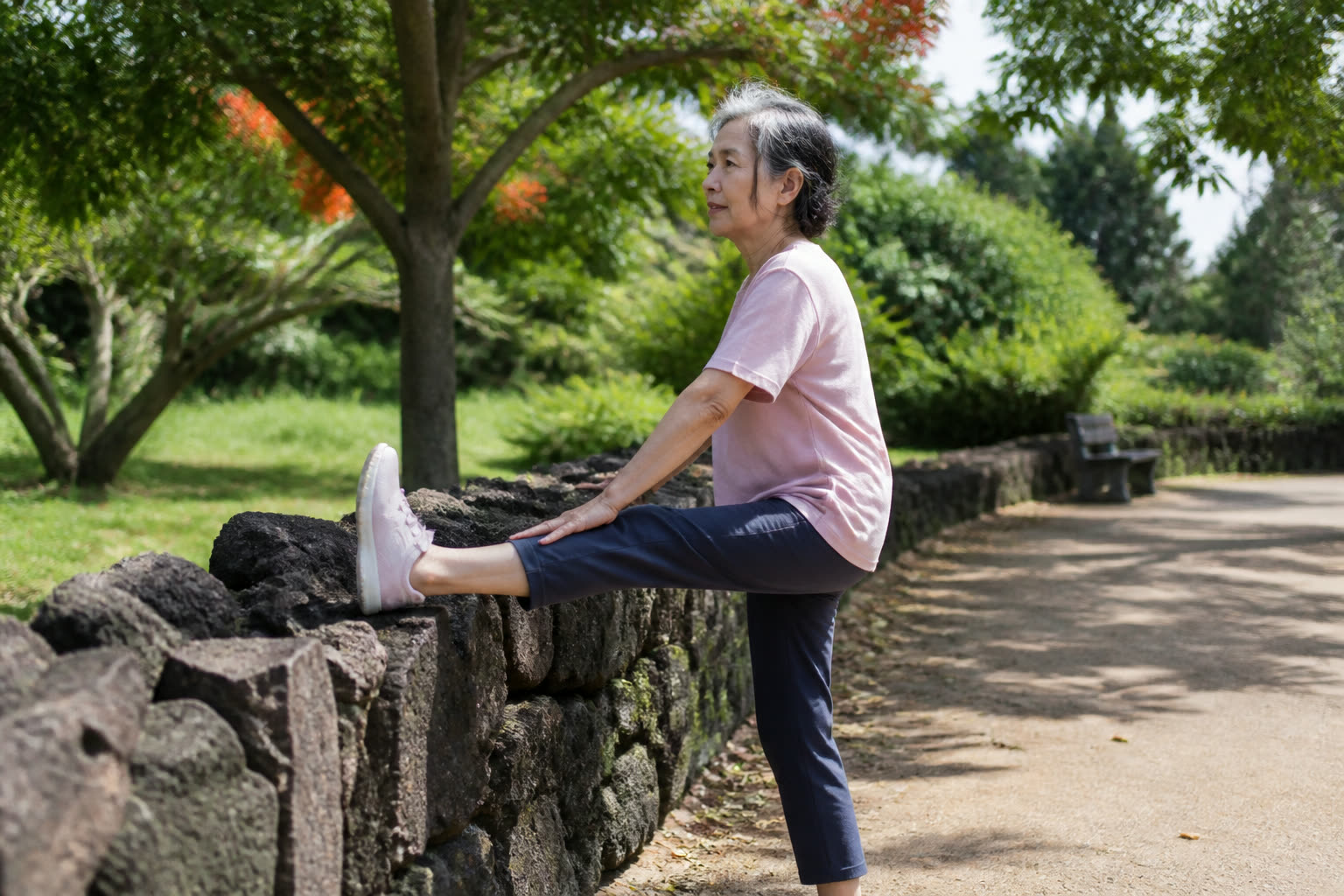
Outdoor Cross Training for Seniors: Active Fitness Guide
By Doug Jones
Q: What are the benefits of outdoor cross training for older adults?
A: Outdoor cross training combines diverse physical activities like walking, biking, and swimming to build multi-planar strength, end boredom, and boost stamina.
What's In This Article
- Doug's original column: Purposeful Prickles
- Practical Tips for Outdoor Fitness for Older Adults
- How Low Impact Cross Training Protects Your Joints
- Building Endurance with Stamina Exercises for Seniors
- FAQ: the questions I get asked most
Starting a consistent routine of outdoor cross training for seniors is one of the most rewarding ways to build functional strength, protect your joints, and stay deeply energized.
Here on Kaua'i, shifting between hiking the ridge trails, swimming in the calm ocean, and cycling along coastal paths keeps the body balanced and the mind completely entranced. When you switch up your movement modes, you give tired joints a break while continuing to build hearty cardiovascular health and reliable everyday balance.
Every step upward presents a little challenge, much like the sharp prickles guarding the sweet Hala fruit along our island trails. Below, I share a few personal reflections from my trek up Sleeping Giant on how facing life's small physical hurdles helps us blossom into our strongest selves.
Start free at Super7System.com, or take the free fitness sampler and see the full program details.
Original Column: Purposeful Prickles

PURPOSEFUL PRICKLES ON THE SLEEPING GIANT!

Working out the way your body works is as fun as it is productive. For sessions of stamina, shifting between different modes of activity is a fantastic way for me to keep my body enhanced and my mind entranced. Typically, my routine involves alternating days of hiking, swimming, biking, swimming, hiking, swimming, biking... et cetera.

A few days ago, on the first day of the New Year, my pursuit of all things resolute led me to the base of the challenging east trail up our island’s Sleeping Giant. Yes, it's the shortest of the three blazed trails to the summit, but that's precisely why I chose it… it's the toughest. Ascending the most vertical path to the mountain's picturesque peak presents the utmost physical challenge, but yesterday's workout also provided a psychological exercise.

Nearly at the top, out of breath (and fully in the moment), there it stands... a mighty tree, its branches adorned by massive, beautiful fruit. This Hala tree is a tropical masterpiece, often found on the ridges of many of Kauai’s stunning hikes.
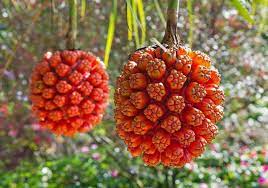
The Hala fruit, with its exotic appearance and versatile applications in cuisine and culture, uniquely blends aesthetic appeal with practical significance. It also added a special dimension and diversion to my first adrenaline-laden adventure of the New Year.
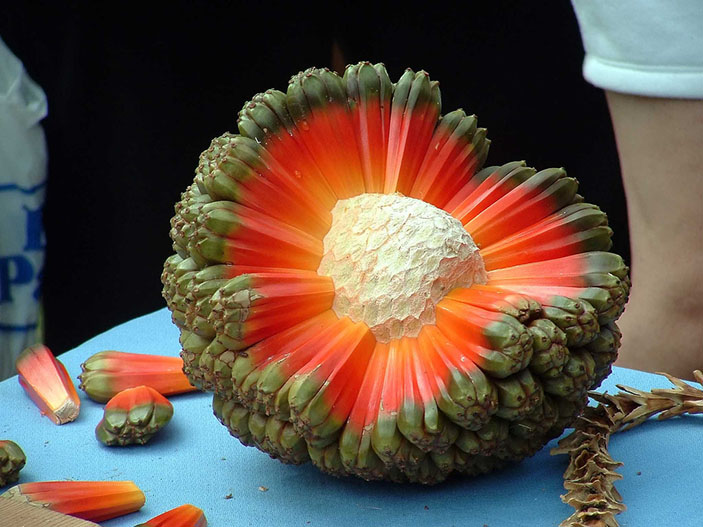
These fruits are gigantic and, as I pondered upon my precarious perch, their magnificence reminded me of how they mirror the colorful gifts and vibrant talents that we are all able to receive abundantly... and should share generously. YOU, my friend, have amazing gifts and talents to offer the world this year... the fruits of love, joy, peace, patience, kindness, goodness, faithfulness, gentleness, and self-control.
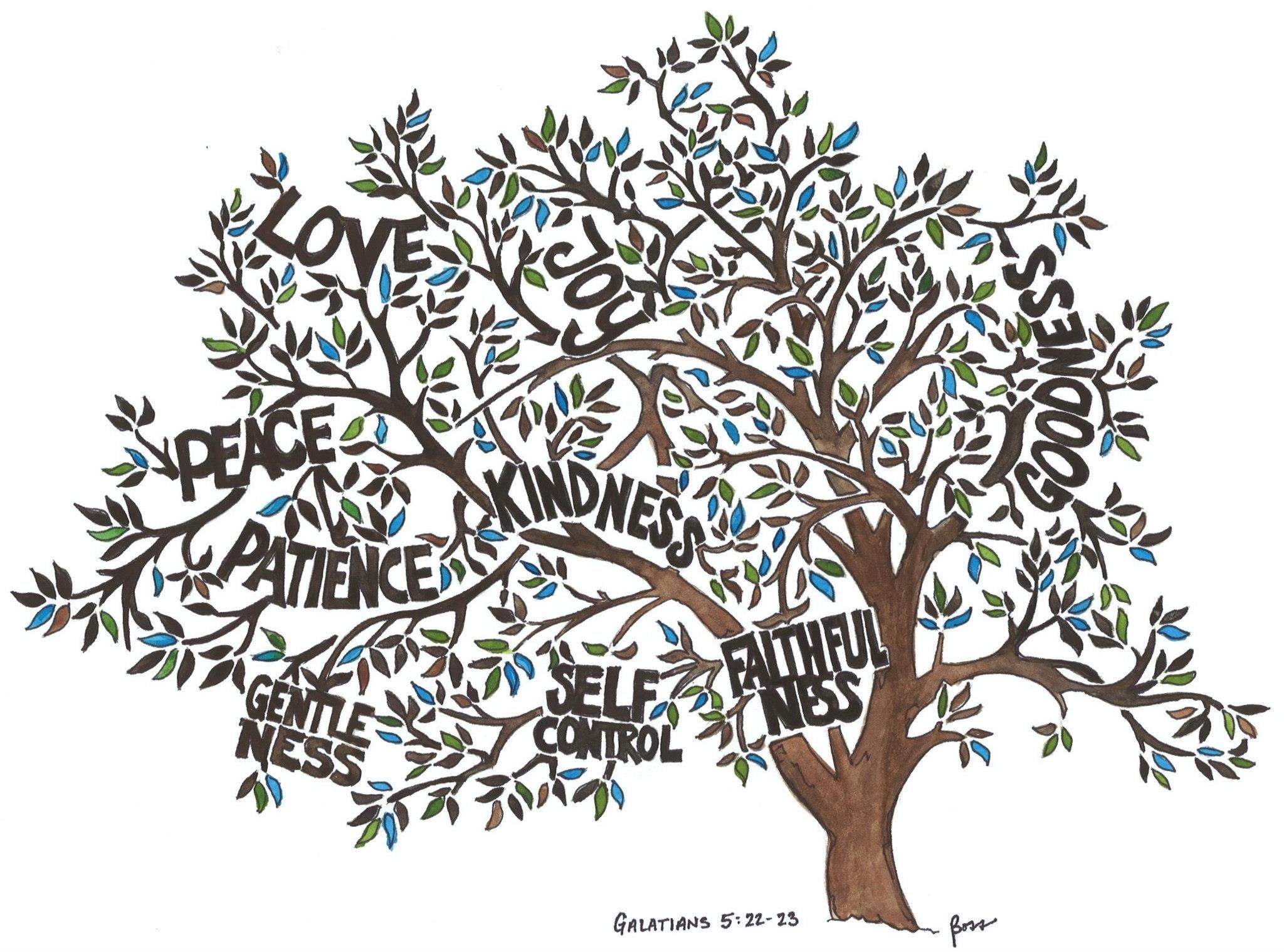
All of these wonderful words of positivity were flowing through my brain while my body acknowledged my healthy reality and hearty actuality. Huffing and puffing (and groaning and moaning), as my lungs seared and muscles burned, felt, well, fantastic!
There can be a pleasure in the pain. Yes... I hike the steepest slopes for this purpose, on purpose. And herein lies the little lesson for 2025.
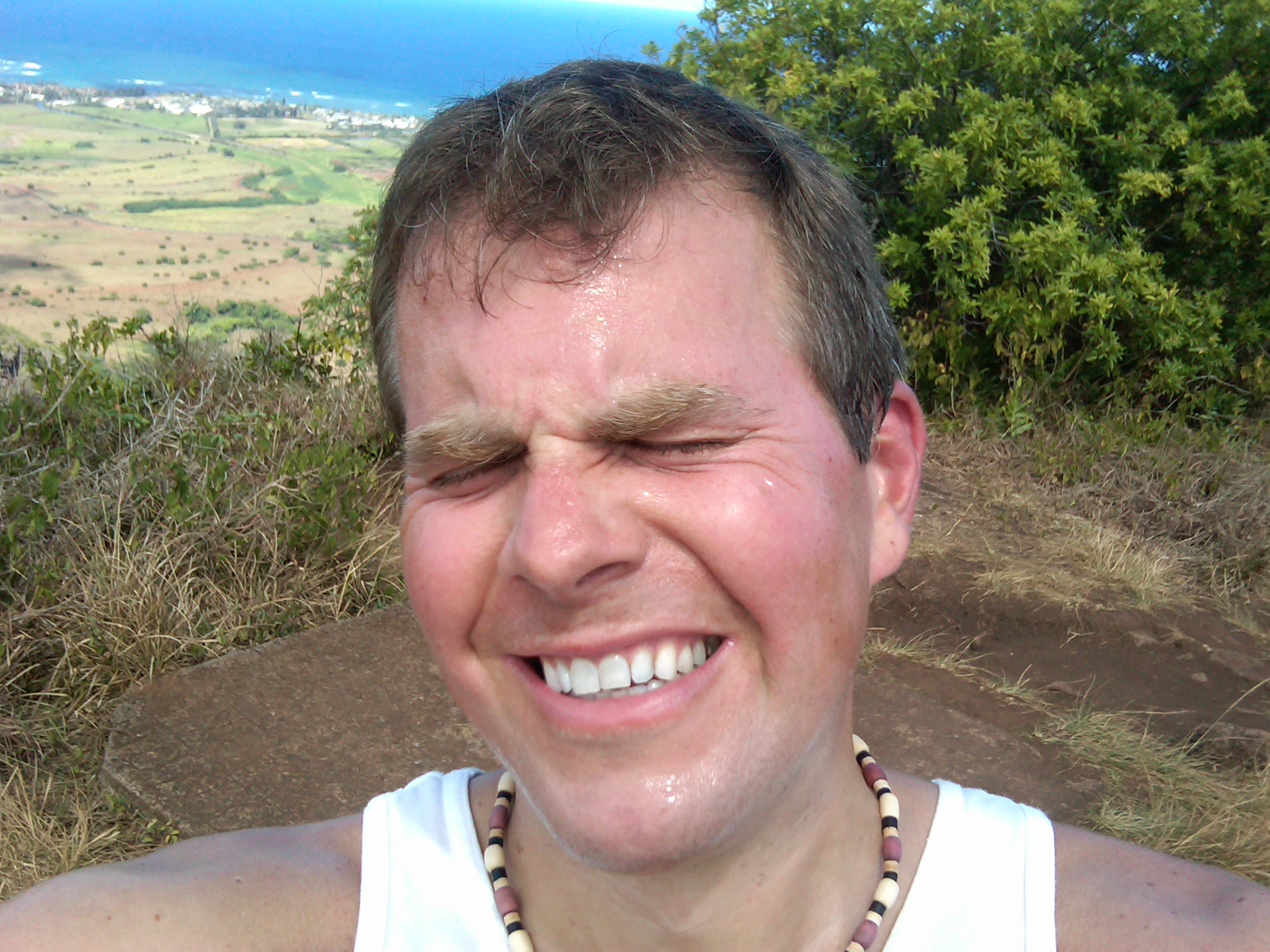
If you ever find yourself in a tough spot, perhaps like restarting a fitness regimen (yet again), just remember that it's transient and temporary. Where there is an abundance of fruit, you’ll often find mighty hedges of protection, strikingly distinct and sharp. Consider the thicket of thorns surrounding this tropical Hala beauty.
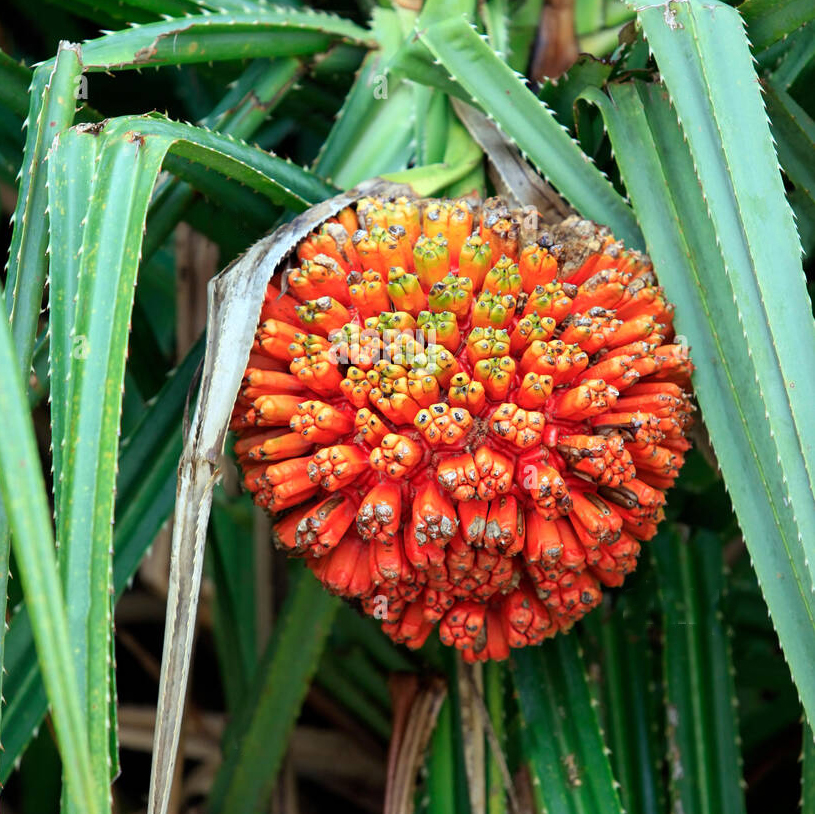
These "Purposeful Prickles," much like the persistent challenges in our lives, help foster eventual "Happy Harvesting," the growth and blossoming of the fruit. Sharp, on-point guards play a crucial role in safeguarding the big, beautiful fruit, protecting it from critters, creatures, and stealthy scavengers.
Similarly, the challenges we face, our metaphorical thorns, are essential for our personal growth. Despite their painful prodding, these challenges are the forces that allow us to blossom into the individuals we are destined to become. The pain, much like the protective thorns, ensures that we fully ripen and sweeten in the process.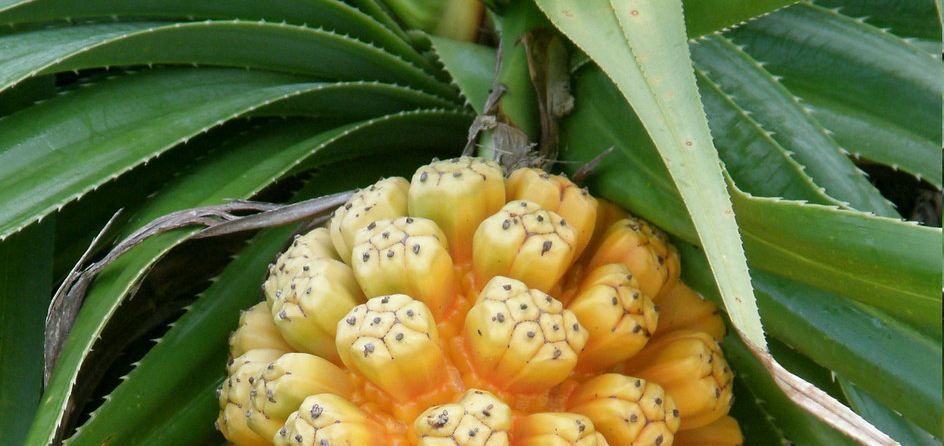
So, be thankful for the thorns of life, the trials and tribulations that we encounter. They are not hindrances but stepping stones on the path to discovering our better selves. This process of defining and refining our gifts is an even bigger gift!
Just as these giant fruit trees weather life’s storms and the winds of change with resilience, we, too, need to anchor ourselves with strong roots, grounding ourselves in the solid and stable elements in life.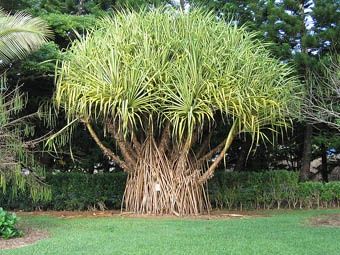
Maybe you’re restarting your fitness routine this January, a fresh beginning perhaps after a season of inactivity or indulgence. Let’s all embrace our respective purposeful prickles in our combined fitness journeys this month. Perhaps our thorns are the initial struggle to build healthy habits, the “good” soreness that often follows our first few workouts, or even the pangs of certain cravings which we resist.
These "purposeful prickles" are signs that your fruits are ripening, that you're growing into something truly amazing.
Stand tall! Stand firm! Anchor yourself while weathering life’s storms, and let the winds of change nurture the growth of your gifts. Awaken the Sleeping Giant within. Find peace in the pain, knowing that you have the stamina to climb life's steepest trails and the strength to harvest the happiness that awaits at the summit.
I look forward to meeting you at the top, with a healthy dose of hope! And that's a promise! I look forward to hearing from you soon(er or later) and am always here to help!

Ready to put your cross-training to work? Try SUPER 7 FREE for a Smart-Simple-Speedy-Safe daily starting point: no gym, no equipment, no downloads - just open and go.
In Health & With Hope,
Doug :-)
Practical Tips for Outdoor Fitness for Older Adults
Stepping outside for movement brings a fresh breeze to your heart and mind, but setting yourself up for success starts with safety and reliable footing. Engaging in outdoor fitness for older adults requires choosing paths that match your current balance and strength levels. Smooth asphalt park paths, firm dirt trails, or well-maintained neighborhood loops offer predictable surfaces that significantly reduce your risk of trips or stumbles.
Before heading out, make sure you wear supportive, well-cushioned athletic shoes with good tread. If you ever feel unsteady on your feet, bring lightweight trekking poles along or plan routes that feature sturdy park benches where you can take a supported pause. Here are a few essential safety habits for your outdoor sessions:
- Check the path ahead: Scan six feet in front of you for loose gravel, wet leaves, or uneven roots before taking each step.
- Stay properly hydrated: Drink a glass of water before leaving home and carry a small water bottle, even on cooler mornings.
- Use structural support: Stand near a solid bench, railing, or sturdy tree trunk when performing standing leg stretches.
Remember, there is never any rush on the trail. Listen to your body, move at a pace that allows you to carry on a comfortable conversation, and enjoy the beauty around you.
How Low Impact Cross Training Protects Your Joints
When you focus on low impact cross training, you give your muscular system fresh challenges while protecting your hips, knees, and lower back from harsh repetitive pounding. Alternating between different gentle activities—such as brisk walking, recumbent cycling, and water movement—allows specific muscle groups to rest and repair while others take the lead.
This balanced approach helps prevent overuse injuries that often happen when performing the exact same exercise day after day. If your knees feel tender after a trail walk, transitioning to swimming or buoyant water walking the following day provides supportive resistance without joint compression. Keep these simple guidelines in mind as you plan your week:
- Rotate movement types: Pair a weight-bearing activity like walking with a non-weight-bearing option like swimming or riding a stationary cycle.
- Control your water depth: When exercising in a pool, stay in chest-deep water to take up to eighty percent of the weight off your joints.
- Keep transitions secure: Always hold onto a pool ladder, bike frame, or sturdy handrail when stepping into or out of your exercise position.
By keeping impact low, you stay consistent week after week, allowing your body to adapt smoothly without triggering severe joint flare-ups or exhaustion.
Building Endurance with Stamina Exercises for Seniors
Developing lasting endurance does not require exhausting sprints or painful strain. Practicing stamina exercises for seniors is all about gradual progression, steady breathing rhythm, and building your heart health over time. Whether you are walking up a gentle incline or pedaling along a flat road, staying within a manageable effort zone allows your lungs and muscles to adapt safely.
A practical way to build stamina this week is by using brief, controlled interval periods. Walk at your standard comfortable pace for three minutes, then slightly increase your stride speed for thirty seconds before returning to your baseline. You can repeat this gentle pattern three or four times during a walk. Always keep these safety checkpoints in mind:
- Monitor your talk test: You should feel your heart working, but you must always be able to speak a full sentence without gasping for air.
- Rest with solid support: If you feel winded, stop near a sturdy fence, wall, or bench and hold on while catching your breath.
- Respect warning signs: Sharp pain, dizziness, or chest discomfort are signs to stop immediately and check in with your doctor.
Consistency beats intensity every single time. Small, steady efforts performed consistently build the real-world stamina you need to tackle daily activities with total confidence.
For general background, see National Institute on Aging advises varying workout activities to improve overall physical fitness, prevent repetitive stress, and maintain motivation..
FAQ: Questions I Get Asked Most
Is outdoor cross training for seniors safe if I am restarting after a long break?
Yes, outdoor cross training for seniors is very safe when you start gradually. Begin with short, flat walking sessions twice a week and pair them with simple resting stretches near a sturdy park bench. Always clear new exercise routines with your healthcare provider before getting started.
How often should older adults change their movement activities?
Rotating between two or three low-impact activities across three to four days per week works exceptionally well. For example, enjoy a walk on Monday, try gentle swimming or stationary cycling on Wednesday, and take another light walk on Friday to keep your joints fresh.
What should I do if my joints feel sore after an outdoor walk?
Mild muscle warmth is normal, but sharp joint pain requires rest. Apply a warm compress, elevate your legs, and swap your next walking session for gentle water movement or light arm exercises while seated securely in a stable chair.
How do I tell the difference between good exercise effort and bad pain?
Good effort feels like deep breathing, warm muscles, and mild tiredness that fades shortly after resting. Bad pain feels sharp, sudden, burning, or concentrated in a joint. If you feel bad pain, stop moving immediately and rest safely.
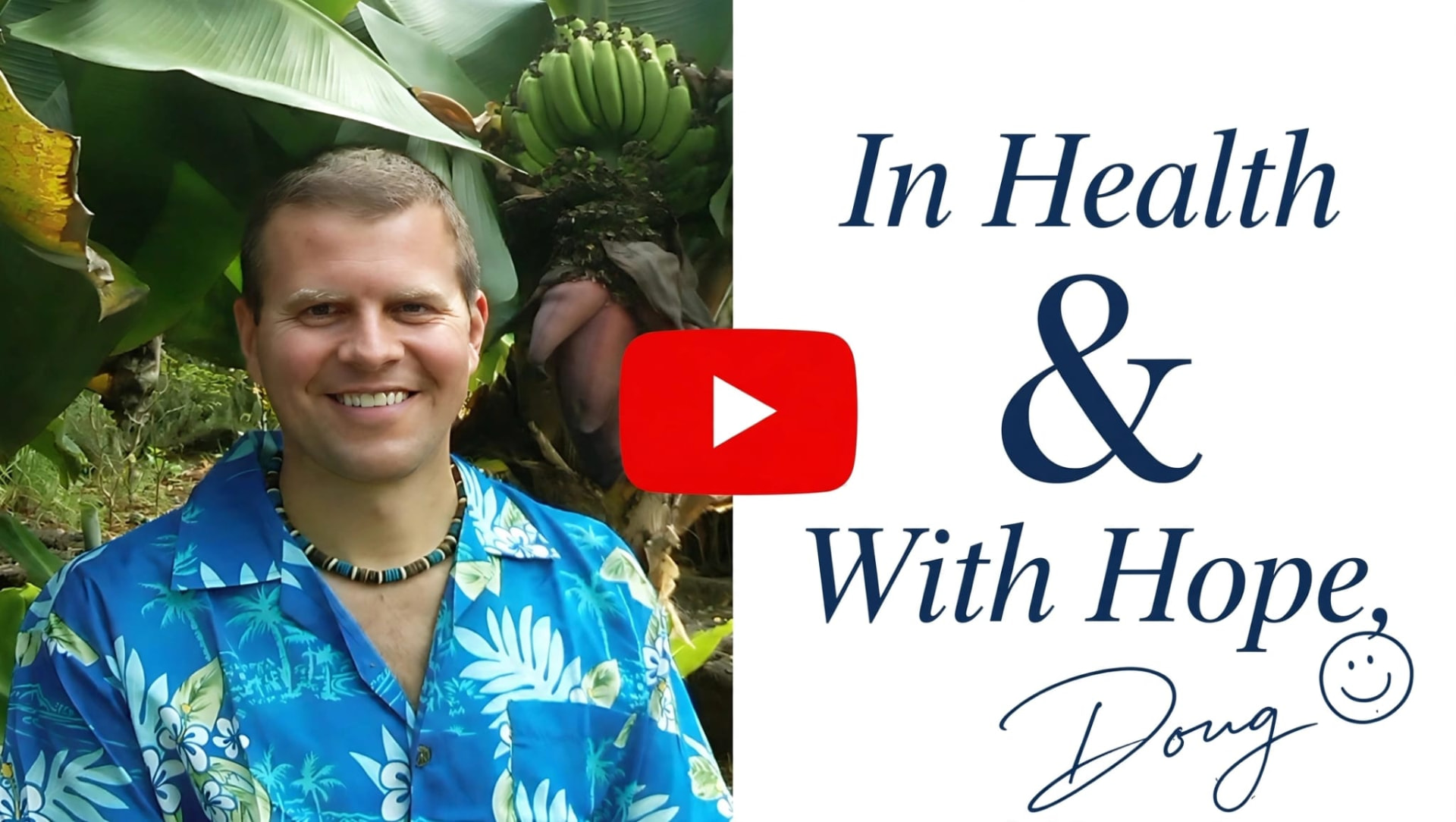
About the Author: Douglas Jones, BS, MA, CSCS
Douglas Jones earned his Master's Degree in Exercise Physiology from the University of Maryland and is a Certified Strength and Conditioning Specialist. As an Exercise Physiologist and Concierge Fitness Professional based in Kaua'i, he has helped thousands of clients in person and millions online build simple, science-based habits for strength, stamina, stretching, and sustenance.
Doug is the founder of the Super 7 System — a complete training system you can do at home in as little as 7 minutes a day.
Watch his free intro and start free at Super7System.com.
Medical disclaimer: This article is educational only and is not medical advice, diagnosis, or treatment. Stop any movement that causes pain, and check with your healthcare provider before starting new exercise or changing your diet.
Seven honest minutes at your own counter. Try Super 7 Free →