
Plant Based Diet For Seniors: Complete Heart Health Guide
By Doug Jones
Q: Why is a plant based diet for seniors recommended for heart health?
A: A plant based diet for seniors provides essential nutrients that reduce cholesterol, support heart health, lower disease risk, and improve metabolic function over long periods.
What's In This Article
- Doug's original column: The Pitch for Plants
- Discovering the Vegan Diet Benefits for Older Adults
- Practical Heart Healthy Plant Nutrition Seniors Can Rely On
- Lowering Cholesterol with Vegan Food Step by Step
- FAQ: the questions I get asked most
Exploring a plant based diet for seniors isn't about jumping on a trendy bandwagon—it's about fueling your body for real longevity, daily energy, and lifelong vitality.
Over my decades as an exercise physiologist on Kaua'i, I have seen how what you put on your plate works hand-in-hand with how you move. Eating more whole, unrefined plants supports your joints, aids digestion, and keeps your heart beating strong.
Making a shift in your 60s, 70s, or 80s takes a thoughtful, safety-first approach. Below, I break down the scientific blueprint behind plant nutrition and how it protects your health from the inside out.
Start free at Super7System.com, or take the free fitness sampler and see the full program details.
Original Column: The Pitch for Plants
For those of you considering veganism… here’s some more food for thought. by Doug Jones!
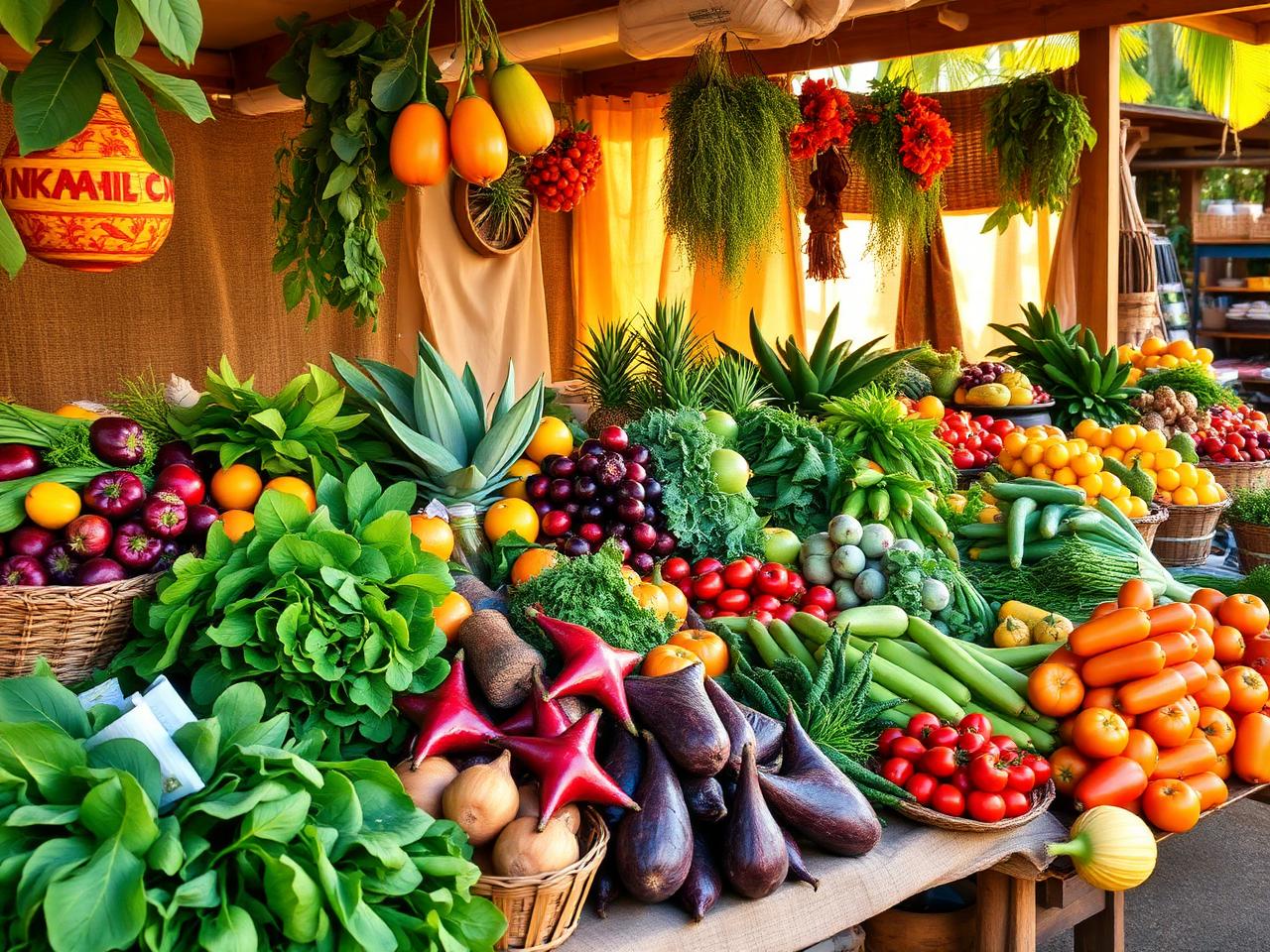
Veganism is not just a lifestyle trend or a moral choice—it is, when done thoughtfully, one of the most scientifically supported ways to eat for human health, longevity, and disease prevention. This isn’t a pitch; it’s a blueprint grounded in decades of research, clinical trials, and real-world data.
But here’s the reality: a vegan diet is strict. It requires planning and awareness to ensure nutrient adequacy. For those willing to commit, however, the benefits are extraordinary.
What the Research Actually Shows: Key Findings!
- Lower risk of cardiovascular disease (CVD) and improved heart health markers. (PubMed) -
- Better lipid profiles: lower total cholesterol, LDL (“bad cholesterol”), and ApoB — reducing atherosclerosis risk. (American College of Cardiology) -
- Reduced risk of ischemic heart disease (IHD) and lower incidence of major cardiac events in vegetarians/vegans vs omnivores. (PubMed) -
- Lower overall mortality and disease incidence when following healthful, minimally processed plant-based diets (whole grains, legumes, vegetables, fruits) — including reductions in risks for type 2 diabetes, some cancers, and CVD. (SpringerLink) -
- Improved metabolic markers: lower BMI, better glycemic control, lower fasting glucose, better insulin sensitivity, reduced inflammatory markers. (PubMed) -
In short: a well-planned plant-based diet doesn’t just help. It protects. It prevents. It optimizes.

Why Plants Work: Mechanisms & Physiology!
1. Lipid & Cholesterol Regulation!
Multiple randomized controlled trials and meta-analyses show that switching from an omnivorous to a vegetarian or vegan diet reduces total cholesterol, LDL-C, and ApoB — key drivers of atherosclerosis and heart disease. (American College of Cardiology) -
Lower LDL and atherogenic lipoproteins translate to less plaque buildup, better artery health, and lower cardiac risk — across populations, ages, and dietary backgrounds. (American College of Cardiology) -
2. Reduced Inflammation, Better Metabolism!
Plants are rich in fiber, antioxidants, polyphenols, and micronutrients. This combination helps lower systemic inflammation — a key root of chronic disease (heart disease, diabetes, cancer). (PubMed) -
High fiber intake regulates blood sugar, improves insulin sensitivity, aids satiety, and supports gut microbiome — critical for long-term metabolic health. (ScienceAlert) -
3. Lower Disease Incidence!
Large meta-analyses and cohort studies link plant-based diets with significantly lower risks of ischemic heart disease, cancer incidence, and overall mortality. (PubMed) -
When people emphasize whole, minimally processed plant foods (vegetables, fruits, whole grains, legumes), the protective effects are strongest. (SpringerLink) -
4. Nutrient Density, Lower Risk Load!
Plant diets tend to be lower in saturated fat and cholesterol, both of which contribute to artery plaque, inflammation, and insulin resistance. (Healthline) -
Meanwhile, whole-plant foods deliver vitamins, minerals, fiber, antioxidants — often missing or less abundant in typical meat-based diets.
Evidence-by-Evidence: Critical Studies & Reviews!
Cholesterol & Lipids!
30-trial meta-analysis shows vegetarian/vegan diet reduces total cholesterol, LDL-C, ApoB vs omnivores. (American College of Cardiology) -
Heart Disease / IHD Risk!
Systematic review of 13 cohort studies (844,175 people) — vegetarians had ~15% lower CVD risk, ~21% lower IHD risk. (PubMed) -
All-Cause Mortality and Health Outcomes!
Meta-analysis of 55 prospective studies (2.2M+ participants) found plant-based diets inversely associated with type 2 diabetes, CVD, cancer, and all-cause death. (SpringerLink) -
Cancer & Chronic Disease!
Umbrella reviews/meta-analyses link vegetarian/vegan diets to reduced risk of certain cancers and lower inflammation markers. (PubMed) -
Metabolic Health, Weight & Glycemic Control!
Observational & intervention studies show lowered BMI, better glycemic control, reduced inflammation and improved metabolic markers. (PubMed) -
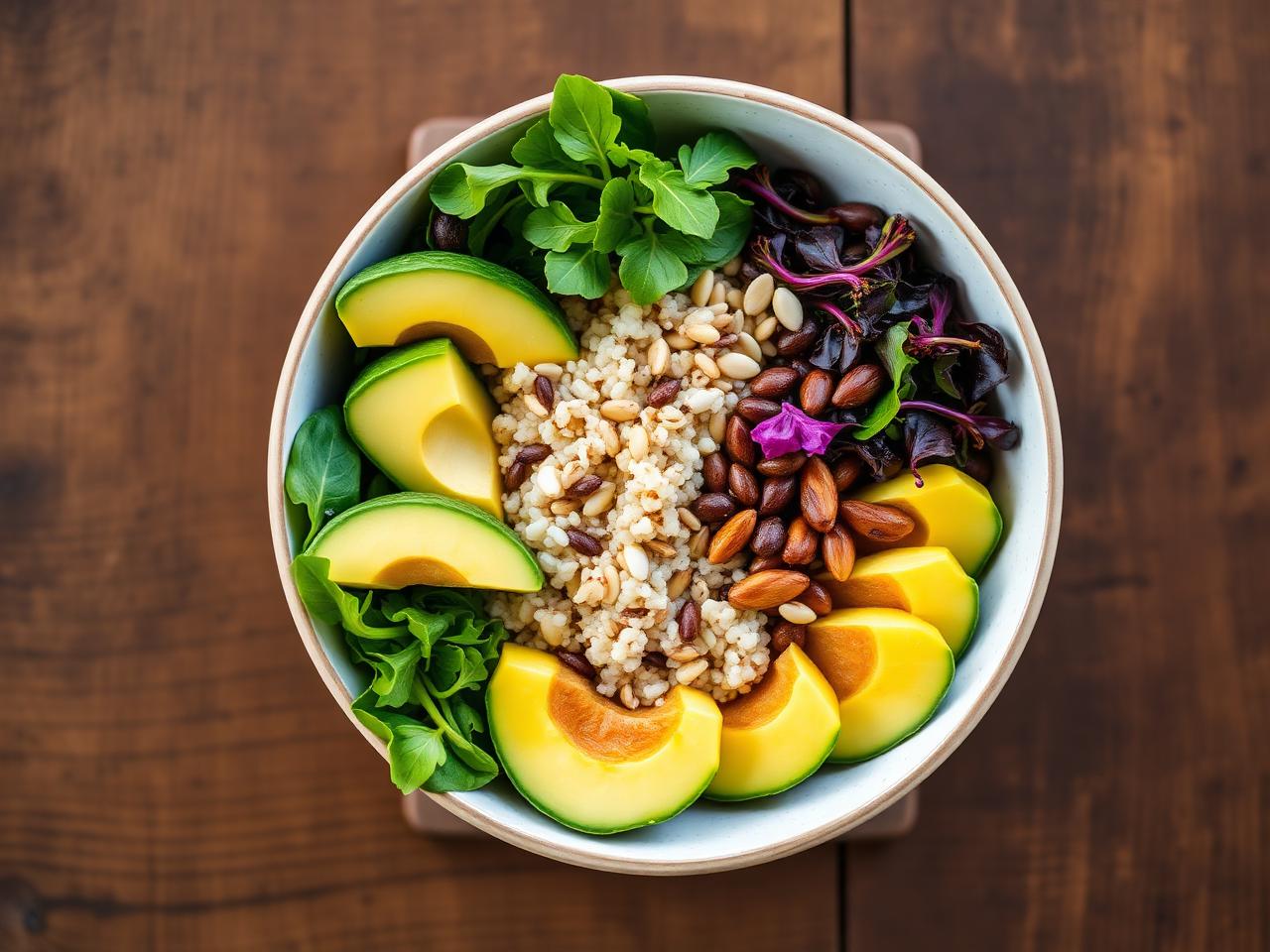
Important: It Must Be a HEALTHFUL Plant-Based Diet!
Not all “vegan” diets are created equal. The science favors whole-food, minimally processed, nutrient-dense plant diets. Diets heavy in refined grains, sugars, ultra-processed vegan junk food — even if “plant-based” — do not show the same benefits, and may even negate them. (OUP Academic) -
This is not a loophole — it's the essence of what works. Eat real plants. Real food. That’s the difference between thriving and just “going vegan.”
Why the Default Human Design Favors Plants!
- Plants provide fiber — virtually nonexistent in meat-based diets — which supports gut health, stable blood sugar, and inflammation control.
- Plant-based nutrients, antioxidants, minerals, and phytonutrients are powerful biochemical tools humans evolved to use.
- Lower saturated fat, zero dietary cholesterol by default, improved lipid profile, and reduced oxidative stress.
- Lower intake of processed fats, inflammatory compounds from animal protein, and compounds associated with cancer risk (e.g. in processed/red meats).
Real-World Impact: What This Means for YOU!
- If you adopt a well-rounded plant-based diet, you dramatically reduce risk of heart disease, ischemic heart disease, many cancers, type 2 diabetes, and early mortality.
- You improve metabolic health: weight, blood sugar, lipid profile, inflammation markers — naturally, without drug intervention.
- You support long-term health: chronic disease prevention, healthy aging, better cardiovascular, metabolic, and cellular resilience.
- With proper planning, you get all essential nutrients — and the benefits stack up faster than most realize.
The Practical Guide: How to Do It Right!
To get these benefits, follow these guidelines:
- Prioritize whole plant foods — vegetables, fruits, legumes, beans, whole grains, nuts and seeds.
- Minimize refined grains, sugars, ultra-processed foods — even if they’re “vegan.”
- Ensure variety to get a broad spectrum of micronutrients, fiber, antioxidants.
- Monitor important nutrients like B₁₂, iron (via plant sources + vitamin C for absorption), omega-3 (via flax, chia, walnuts, algae if needed).
- Focus on long-term consistency. Real gains come from long-term dietary patterns, not short-term fixes.
The Verdict: The Science Has Spoken!
The preponderance of evidence — decades of population studies, cohort analyses, randomized trials, and meta-analyses — supports this: a thoughtfully planned, whole-food, plant-based diet isn’t just “good.” It’s optimal.
It offers powerful protection against the diseases that plague modern human societies. It supports metabolic health, longevity, and resilience. And it does so with simplicity, consistency, and real food.
If someone wants proof, or wants to improve their health, or wants a diet built for human physiology — this is it. No hype. No gimmicks. Just science, food, and health.
Key Scientific Sources & Findings for Vegan / Plant-Based Diet Benefits!
Plant-based diets (vegan & vegetarian) → lower total cholesterol, LDL-C, apoB (atherogenic lipids) Vegetarian or vegan diets and blood lipids: a meta-analysis of randomized trials (2023).
Compared to omnivorous diets, plant-based diets significantly reduced total cholesterol, LDL-C, and apolipoprotein B — markers strongly associated with atherosclerosis and cardiovascular risk. (American College of Cardiology) -
Plant-based diet patterns → reduced risk of cardiovascular disease (CVD) incidence and mortality The Association of Plant-Based Diet With Cardiovascular Disease and Mortality: A Meta-Analysis and Systematic Review (2021) -
In a meta-analysis of 410,085 individuals, greater adherence to plant-based dietary patterns was linked to significantly lower risk of cardiovascular mortality (HR ~ 0.92) and lower incidence of CVD (HR ~ 0.90). (PubMed) -
Vegetarian diets (vs non-vegetarian) → reduced risk of ischemic heart disease (IHD) and cardiovascular disease Vegetarian and vegan diets and the risk of cardiovascular disease, ischemic heart disease and stroke: a systematic review and meta-analysis (2022) -
Review of 13 cohort studies (~844,175 participants) found vegetarians had ~15% lower risk of CVD and ~21% lower risk of IHD compared to non-vegetarians. (PubMed) -
Vegan / vegetarian diets improve cardiometabolic markers (weight, cholesterol, HbA1c) in people with overweight or type 2 diabetes Effects of vegan diets on cardiometabolic health: A systematic review and meta-analysis of randomized controlled trials (2022) -
In 11 trials with ~796 participants: vegan diets led to mean weight loss (~4.1 kg), lower BMI, lower total and LDL cholesterol, and modest HbA1c reduction in diabetics. (PubMed) -
Consistently healthy plant-based diets (whole-food emphasis) → strongest reduction in heart disease risk; processed/unhealthy plant-based diets may not have same benefit Substitution of animal-based with plant-based foods on cardiometabolic health and all-cause mortality: a systematic review and meta-analysis of prospective studies (2023) -
Substituting animal-based foods with minimally processed plant foods is associated with lower risk of CVD, type 2 diabetes, and all-cause mortality — underscoring the importance of diet quality. (SpringerLink) -
What This Means — From the Evidence Side (Not Opinion)!
- The lipid-lowering effects (cholesterol, LDL, apoB) are robust and consistent across randomized trials. That means it's not just “observational noise” — when people switch to plant-based diets, their blood lipid profiles improve.
- Long-term data (hundreds of thousands of people, decades of follow-up) show significant reductions in cardiovascular disease incidence and mortality among people eating mostly plant-based diets.
- For people with metabolic disease or obesity, switching to a vegan/plant-based diet often yields measurable improvements in weight, cholesterol, and blood sugar control.
- The quality of the plant-based diet matters. Diets heavy on whole foods (vegetables, fruits, legumes, whole grains, nuts/seeds) are protective. But “junk-food veganism” (refined grains, sugary processed vegan foods) may dilute or negate many of these health benefits.
- Koch, C.A., Kjeldsen, E.W., Frikke-Schmidt, R. Vegetarian or vegan diets and blood lipids: a meta-analysis of randomized trials. European Heart Journal, 2023; 44: 2609-2622. (American College of Cardiology) -
- Quek, S.Y., Lim, W.Y., Ng, S.Y.K., et al. The Association of Plant-Based Diet With Cardiovascular Disease and Mortality: A Meta-Analysis and Systematic Review. Journal of the American College of Cardiology, 2021. (PubMed) -
- Huang, R-Y., Huang, C-C., Hu, F.-B., Chavarro, J.E. Vegetarian and vegan diets and the risk of cardiovascular disease, ischemic heart disease and stroke: a systematic review and meta-analysis of prospective cohort studies. Nutrients, 2022. (PubMed) -
- Yokoyama, Y., Levin, S., Barnard, N. Effects of vegan diets on cardiometabolic health: A systematic review and meta-analysis of randomized controlled trials. Nutrition Reviews, 2022. (PubMed) -
- Schwingshackl, L., Chiodini, P., Devore, E., Heianza, Y., et al. Substitution of animal-based with plant-based foods on cardiometabolic health and all-cause mortality: a systematic review and meta-analysis. BMC Medicine, 2023. (SpringerLink) -

The Vegan Advantage: 7 Pillars of Optimal Plant-Based Nutrition!
1. Longevity Advantage: Live Longer, Better!
The evidence is clear: populations consuming predominantly plant-based diets live longer, healthier lives.
The Adventist Health Studies (over 96,000 participants, 70+ years) show:
- Vegans live 6–10 years longer than meat-eaters.
- 83% lower risk of diabetes, 75% lower risk of hypertension, 68% lower risk of certain cancers (Orlich et al., 2013; PubMed 23318498).
The Blue Zones, known for exceptional longevity, consume 80–95% plant-based diets. Their longevity comes less from meal frequency and more from abundant alkaline-forming plants, low processed foods, and minimal animal product consumption. Takeaway: Plants fuel longevity. Period.
2. Disease Prevention Powerhouse!
Heart Disease: Plant-based diets dramatically reduce cardiovascular risk.
- Dr. Caldwell Esselstyn demonstrated near-total reversal of coronary artery disease on a whole-food, plant-based diet (Esselstyn, 1999).
- Framingham Heart Study: each additional serving of fruits & vegetables reduces cardiovascular risk by ~4% (Dauchet et al., 2006).
Cancer:
- The China Study revealed higher cancer rates in populations consuming more animal protein versus plant-based diets (Campbell & Campbell, 2006).
- Vegans have 43% lower risk of colorectal cancer, 25% lower breast cancer risk, and 35% lower prostate cancer risk (Tonstad et al., 2009; PubMed 19414763).
Diabetes:
- EPIC-Oxford Study: Type 2 diabetes prevalence was 2.9% in vegans vs 7.6% in meat-eaters, a 62% reduction (Tong et al., 2011; PubMed 21980131).
Bottom line: Plant-based diets are protective across the major chronic disease spectrum.
3. The Alkaline Advantage!
Acid-base balance matters. Chronic acid load from animal products promotes inflammation, calcium leaching, and metabolic stress. Plant foods are naturally alkaline, supporting cellular function, bone strength, and reduced inflammation.
PRAL scores (Potential Renal Acid Load):
- Beef: +7.8 Chicken +5.2 Fish: +7.9
- Spinach -14.0 Broccoli: -1.2 Bananas: -5.5
Takeaway: Eliminating acid-forming foods and emphasizing alkaline plants fosters an internal environment that fights disease (Remer & Manz, 1995).
4. Bone & Muscle Strength!
Bone Health:
Countries with the highest dairy consumption have higher osteoporosis rates, while plant-based populations have stronger bones. Animal protein acidifies the body, requiring calcium leaching from bones. Plants provide calcium without the acid load.
Protein Sufficiency:
Every essential amino acid exists in plants. Protein combining is unnecessary if diet includes variety. Vegans consume adequate protein for strength and recovery, including elite athletes:
- Novak Djokovic (tennis), Lewis Hamilton (F1), Patrik Baboumian (world’s strongest man) thrive on plant protein.
Anatomical evidence: Humans have molars for grinding plants, long intestines for fermentation, and side-to-side jaw motion—all optimized for plants.
5. Fiber & Gut Microbiome Mastery!
Vegans consume 2–3 times more fiber than omnivores, supporting:
- Gut microbiome diversity, producing short-chain fatty acids (SCFAs) that regulate inflammation and immunity.
- Blood sugar control through slower glucose absorption.
- Cholesterol reduction and satiety (Slavin, 2013; PubMed 23455688).
Gut flora studies show vegans have more beneficial bacteria, fewer inflammatory species, and higher butyrate production, contributing to systemic health.
6. Antioxidant & Phytonutrient Arsenal!
Plants contain 25,000+ phytonutrients (YES… TWENTY-FIVE THOUSAND!!!), absent in animal products, that protect against oxidative stress, inflammation, and cancer. These compounds are bioactive and cumulative… eating a variety of colorful plants is essential for maximal effect. Medical News Today -
Examples:
- Flavonoids: Reduce inflammation and cancer risk!
- Carotenoids: Heart and eye protection!
- Polyphenols: Brain health and longevity!
- Glucosinolates: Activate detox enzymes!
- Anthocyanins: Protect blood vessels!
7. Practical Considerations & Evidence-Based Supplements!
Veganism is not “set it and forget it.” Nutrient monitoring ensures long-term health:
B12: Produced by bacteria; supplementation is required. Deficiency is common in the general population, even among meat-eaters.
Iron: Non-heme iron is regulated by the body, reducing overload risk. Vitamin C enhances absorption.
Calcium: Plants provide adequate calcium without the acid load.
Omega-3s: Algae-based EPA/DHA supplements support cardiovascular and cognitive health.
Economic & Environmental Bonus:
- Vegan staples are cheaper: beans, rice, oats, bananas, seasonal produce.
- Lower carbon footprint, water use, and deforestation.
Works Cited / References!
- Orlich MJ, et al. Vegetarian dietary patterns and mortality in Adventist Health Study 2. JAMA Intern Med. 2013;173(13):1230–1238. PubMed 23318498 -
- Tonstad S, et al. Type of vegetarian diet, body weight, and prevalence of type 2 diabetes. Diabetes Care. 2009;32(5):791–796. PubMed 19414763 -
- Tong TYN, et al. Vegetarian diets and incidence of diabetes in EPIC-Oxford study. Nutr Metab Cardiovasc Dis. 2011;21(9):715–772. PubMed 21980131 -
- Campbell TC, Campbell TM. The China Study. BenBella Books, 2006.
- Esselstyn CB. A strategy to arrest and reverse coronary artery disease. J Fam Pract. 1999;49(6):562–568.
- Slavin JL. Dietary fiber and body weight. Nutrition. 2013;29(3):411–418. PubMed 23455688 -
- Remer T, Manz F. Potential renal acid load of foods and its influence on urine pH. J Am Diet Assoc. 1995;95(7):791–797.
Bottom Line: The Science Is Overwhelming!
A well-planned vegan diet is:
- Supported by decades of observational and clinical research.
- Optimal for cardiovascular, metabolic, and cancer prevention.
- Superior in fiber, phytonutrients, and gut health.
- Adequate for protein, bone health, and athletic performance when planned.
The choice isn’t theoretical. The evidence is concrete. For those considering veganism, the data is clear: your body, mind, and the planet thrive on plants.
Ready to put your plant-based eating to work? Try SUPER 7 FREE for a Smart-Simple-Speedy-Safe daily starting point: no gym, no equipment, no downloads - just open and go.
In Health & With Hope,
Doug :-)
Discovering the Vegan Diet Benefits for Older Adults
When we talk about the vegan diet benefits for older adults, the real magic happens in reduced inflammation and lighter digestion. Less systemic inflammation often means less morning stiffness in your knees, hips, and hands, making daily household movement much sweeter.
However, as we age, keeping our muscle strength and bone density is critical. If you shift toward whole plants, you must pay close attention to getting adequate protein from beans, lentils, tofu, tempeh, and pumpkin seeds.
- Pair your plant nutrition with daily gentle balance work, like standing tall near a sturdy kitchen counter for safe bodyweight sit-to-stands.
- Include a variety of plant protein sources throughout the day to ensure you get all essential amino acids.
Safety always comes first: check with your doctor or registered dietitian before making major dietary shifts, especially regarding vitamin B12 and vitamin D supplementation, which become harder to absorb naturally as the years add up. Try adding one extra plant-based meal to your schedule this week, pay attention to how your body feels, and take it one steady step at a time.
Practical Heart Healthy Plant Nutrition Seniors Can Rely On
Embracing heart healthy plant nutrition seniors can easily adopt starts right in your local grocery aisle, not in a complicated recipe book. Your cardiovascular system thrives on the soluble fiber found in rolled oats, black beans, and chia seeds, alongside the rich antioxidants packed into dark leafy greens and fresh berries.
These nourishing whole foods help keep your arterial walls flexible and your circulation humming smooth like a gentle Kaua'i ocean breeze. To make this work safely for your everyday lifestyle, focus on simple food swaps rather than an overwhelming overnight overhaul.
- Start your morning with a warm bowl of oatmeal topped with walnuts and berries instead of processed breakfast meats.
- Trade heavy cream soups for blended lentil or vegetable soups rich in garlic and herbs.
If you take blood pressure or blood-thinning medications, keep your healthcare provider in the loop when changing your daily intake of dark leafy greens so your prescription levels remain perfectly balanced. Gentle consistency is what builds long-term heart strength.
Lowering Cholesterol with Vegan Food Step by Step
Focus on lowering cholesterol with vegan food by systematically replacing saturated animal fats with fiber-rich plant alternatives. Whole plant foods naturally contain zero dietary cholesterol, and their soluble fiber acts like a soft broom, sweeping excess lipid particles out of your digestive tract before they can reach your bloodstream.
This week, try swapping out butter for olive oil or mashed avocado on whole-grain toast, and trade traditional beef chili for a rich three-bean vegetable soup.
- Drink plenty of fresh water throughout the day to help your digestive system comfortably adapt to higher dietary fiber.
- Focus on whole, minimally processed ingredients rather than packaged pre-made vegan junk foods.
If you are currently taking cholesterol-lowering medication, keep tracking your lipid panel with your doctor—many active seniors find their numbers improve so noticeably that their medical team can safely adjust their dosages over time. Focus on real, unprocessed food and enjoy the natural benefits.
For general background, see MedlinePlus guide to vegetarian diets.
FAQ: Questions I Get Asked Most
Is a plant based diet for seniors safe for maintaining muscle mass?
Yes, a plant based diet for seniors can fully support muscle health when planned carefully. Older adults need adequate protein from plant sources like lentils, chickpeas, organic soy, and seeds spread throughout the day. Pair your meals with light, counter-supported strength exercises to keep your muscles strong and functional.
How do I get enough Vitamin B12 if I reduce meat intake?
Vitamin B12 absorption naturally declines as we age, and plant foods do not naturally provide it. If you transition away from animal products, it is essential to take a daily or weekly B12 supplement or use fortified foods. Always consult your healthcare provider to check your levels and determine the right supplement dose.
Will eating more plant fiber cause stomach upset?
Increasing fiber too quickly can temporarily cause gas or mild bloating. The secret is to transition gradually over several weeks. Add one extra serving of vegetables, fruit, or legumes every few days, and drink plenty of water to help your digestive tract and gut microbiome adjust comfortably.
Can switching to whole plants replace my heart medication?
While whole-plant nutrition dramatically improves cholesterol and vascular health, you should never modify or stop prescription medications on your own. Work closely with your physician to track your blood pressure and bloodwork as your diet improves; they will guide any safe adjustments to your medication.

About the Author: Douglas Jones, BS, MA, CSCS
Douglas Jones earned his Master's Degree in Exercise Physiology from the University of Maryland and is a Certified Strength and Conditioning Specialist. As an Exercise Physiologist and Concierge Fitness Professional based in Kaua'i, he has helped thousands of clients in person and millions online build simple, science-based habits for strength, stamina, stretching, and sustenance.
Doug is the founder of the Super 7 System — a complete training system you can do at home in as little as 7 minutes a day.
Watch his free intro and start free at Super7System.com.
Medical disclaimer: This article is educational only and is not medical advice, diagnosis, or treatment. Stop any movement that causes pain, and check with your healthcare provider before starting new exercise or changing your diet.
Seven honest minutes at your own counter. Try Super 7 Free →