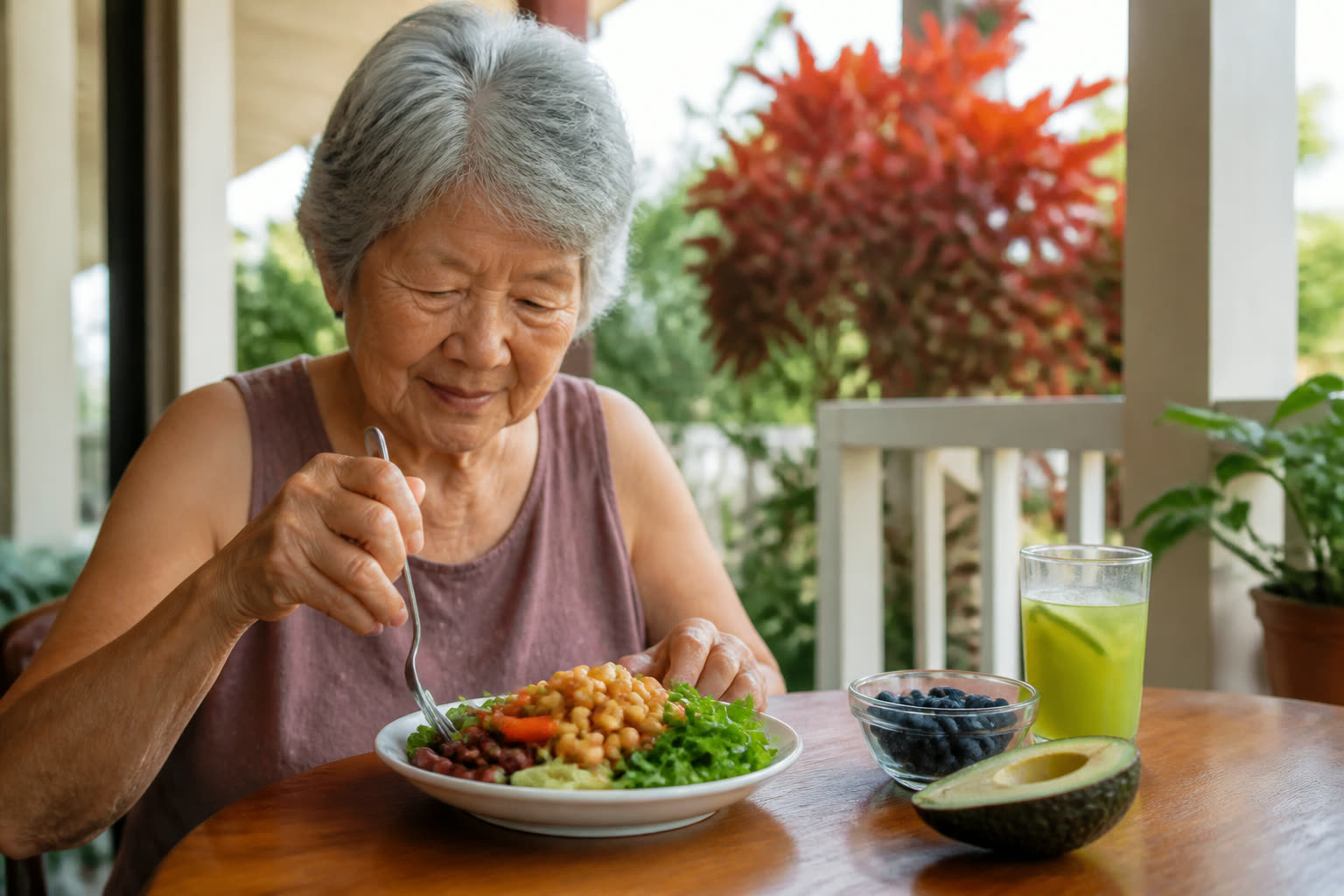
Plant Protein Versus Meat For Seniors: Healthy Nutrition
By Doug Jones
Q: Why choose plant protein versus meat for seniors seeking longevity?
A: Choosing plant protein versus meat for seniors minimizes acidity, lowers chronic disease risks, improves digestive health, and provides sustainable daily nourishment without excess saturated fat.
What's In This Article
- Doug's original column: The Myth of Meat and Milk
- An Inverted Food Pyramid Critique Older Adults Can Count On
- Practical Ways for Reducing Acid Forming Foods in Senior Diet Routines
- Top Plant Protein Sources for Healthy Aging and Strength
- FAQ: the questions I get asked most
When comparing plant protein versus meat for seniors, it is easy to feel confused by shifting government dietary graphics and conflicting nutrition advice. Here on Kaua'i, I hear from many kupuna who are wondering how to fuel their bodies safely as they age, especially when new guidelines seem to turn basic wellness wisdom upside down.
Protein matters for maintaining muscle strength, but overloading your plate with heavy animal products often leaves out the fiber, antioxidants, and gentle hydration our bodies crave. As we get older, keeping digestion light and inflammatory stress low becomes far more important than chasing excessive protein numbers.
Below is my recent reply to Michelle in Kapa`a, where we break down why sticking to clean, plant-forward nourishment is still one of the kindest things you can do for your heart, bones, and overall vitality.
Start free at Super7System.com, or take the free fitness sampler and see the full program details.
Original Column: The Myth of Meat and Milk
Dear Doug,
As a vegetarian, I’m troubled by the new dietary guidelines and inverted food pyramid. Putting meat and dairy at the very top of our shopping list sounds completely opposite to what you’ve been telling us. Any thoughts?
Michelle, Kapa`a -
Aloha, Michelle.
Great question! Before I dive into the meat of the matter, let’s anchor ourselves in the timeless wisdom from the first chapter of our original instruction manual: “Behold, I have given you every herb bearing seed… to you it shall be for meat.”

While the Genesis for life could be taken on faith alone, this Scripture for sustenance is also supported by sound science. Plants have been put here on purpose… and with purpose. Yet, here we are with a newly-released inverted food pyramid with meat and dairy taking center stage. Yuck!
I’m not preaching perfection, as I’d currently categorize myself as only a consistently inconsistent vegetarian… primarily plant-based with an occasional Saturday Faturday pig out.
But, even so, I can’t comprehend endorsing the increased consumption of pigs and cows and shellfish, for starters. Why do they want to promote a regime which creates acidity and disease? It’s inexcusable, any way you slice it.
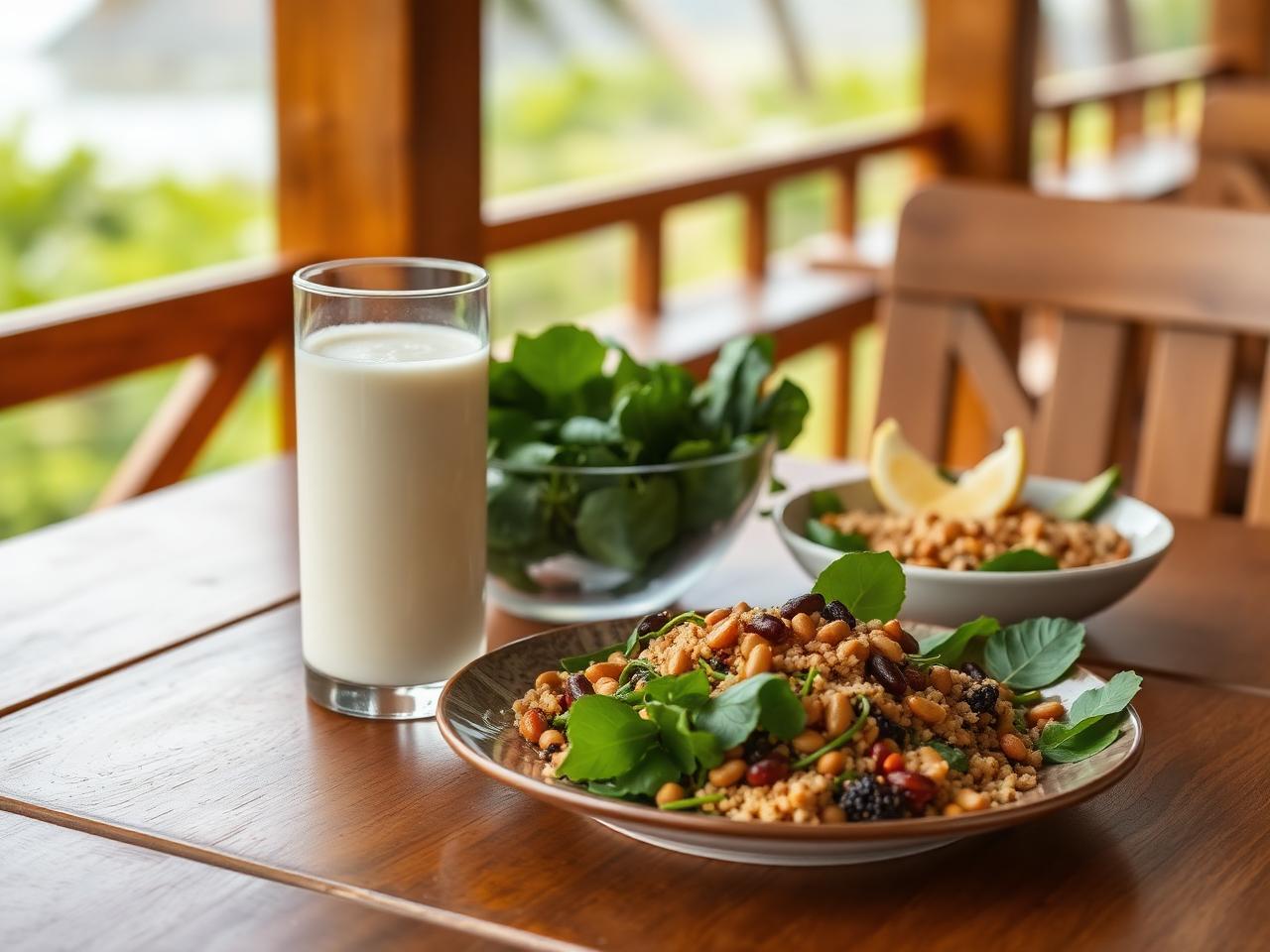
So, your question about the 2025-2030 Dietary Guidelines for Americans is my question, too. Let’s digest it together, one bite at a time:
Promoting Protein: Enough Already!
The new pyramid places animal protein front and center. Most Americans do not lack protein; they lack fiber, hydration, micronutrients, antioxidants, phytonutrients, anti-inflammatory, and alkalizing superfoods.
Americans regularly neglect fiber-rich, high-protein plant foods, such as beans, peas, lentils, nuts, seeds, soy, and unrefined whole grains, which are consistently associated with better cardiovascular health and lower mortality. Protein is essential, but there’s no biological need to make meat the centerpiece. Reread my column about fresh sprouts containing 40-60% protein. I’ll post it at the top of my website, Super7System.com.
Bone Up on Calcium!
The pyramid implies that milk builds stronger bones, but data shows countries with highest dairy intakes don't have lower osteoporosis or fractures.
Bone strength depends on calcium, vitamin D, magnesium, and acid load. Plant-based calcium chewers match omnivores in terms of bone mineral density.
Research shows that high dietary acid load (animal-heavy diet) can increase urinary calcium loss, negatively affecting bone health. Skipping the cow juice won’t turn your bones to dust.
Fiber: The Forgotten Foundation!
Fiber feeds trillions of gut microbes that produce metabolites critical to immune function, inflammation control, and metabolic regulation. Plants consistently boost microbiome diversity and short-chain fatty acid production, markers of gut and systemic health.
Many Americans fail to meet the baseline recommendations because animal products contain zero fiber. Protein is getting the spotlight. Fiber is hidden backstage. Underplaying the importance of fiber is out of step with microbiome science in the gut and the butt.
Plant Power: Disease & Dis-ease!
Decades of research show plant-forward diets lower cardiovascular disease risk, type 2 diabetes incidence, lipid profiles, blood pressure, and mortality.
Benefits stem from fiber, antioxidants, and phytonutrients in whole plant foods. These compounds modulate glucose metabolism, reduce oxidative stress, and regulate inflammation and cellular health. Plant-rich diets outpace meat-heavy diets in improving myriad health markers.
Dropping the Acid Load!
Diets rich in animal proteins and poor in produce create higher acid loads, placing chronic stress on kidneys and other systems. A lower net acid load (plant-based diets) correlates with better long-term kidney health, lower inflammation, and reduced metabolic stress. Fresh fruits and veggies allow your body to perform optimally without chronic acid buffering.
Phytonutrients: Secret Sustenance Squad!
Plants contain over 25,000 phytonutrients, bioactive compounds that interact with metabolism, gene expression, and immune function. These compounds are absent in animal foods.

Animal-based foods can’t compete with the biochemical diversity of plants. When dietary guidelines focus on animal “foods,” we lose our protection against cancer, inflammation, oxidative stress, and brain and heart health.
Supplementing Sound Strategies!
True, an animal-free eater should give conscientious consideration to things like protein, B12, iron, omega-3s, and calcium. Done correctly, plant-based diets provide nutrient adequacy and are supported by global health organizations.
To learn more about how we are fashioned for feasting on vegetation, with grinding molars and long, fermentative digestive tracts, please speak with our island’s veritable vegan vanguards, who are not only crusading for animals… but also for you!
Stop by the “Choose Kindness” booth on Saturday’s Kapa`a Art Walk. Dr. Stephanie and Mr. Matt are the true experts, but I’ll be there to grab some free snacks, starting around 5pm. I look forward to meeting you, too.
Ready to put your protein to work? Try SUPER 7 FREE for a Smart-Simple-Speedy-Safe daily starting point: no gym, no equipment, no downloads - just open and go.
In Health & With Hope,
Doug :-)
An Inverted Food Pyramid Critique Older Adults Can Count On
Seeing new health charts push heavy meats and dairy onto your plate can be confusing, especially when your body tells you otherwise. An honest inverted food pyramid critique older adults need to consider starts with how our digestive tracts change over time. As we age, stomach acid often decreases, making heavy animal fats harder to process and leading to sluggishness or digestive distress after meals.
Instead of overhauling your kitchen overnight, try simple, counter-supported meal prep steps that protect your joints and energy levels. When preparing meals, stand near your kitchen counter so you have steady balance while chopping fresh produce. Focus on crowding your plate with colorful vegetables first rather than centering everything on a piece of steak or pork chop.
- Swap heavy evening meat portions for well-cooked lentils or mung beans that are easier on sensitive digestion.
- Keep a firm hold on your counter or sink edge if you feel lightheaded while prepping raw veggies.
- Listen to your body—if a heavy animal meal leaves you feeling inflamed or stiff the next morning, that is valuable feedback.
Always check in with your healthcare provider or dietitian before making radical dietary shifts, especially if you manage kidney conditions or blood sugar levels.
Practical Ways for Reducing Acid Forming Foods in Senior Diet Routines
Focusing on reducing acid forming foods in senior diet routines is one of the most effective ways to lower systemic stress and protect your vital organs. Diets heavy in processed meats, hard cheeses, and animal proteins force your kidneys to work overtime to buffer internal acid loads. Over years, this metabolic stress can leach essential minerals like calcium right out of your bones to keep blood pH balanced.
Shifting toward an alkalizing approach does not mean giving up flavor or strength. You can cushion your acid load by adding generous portions of dark leafy greens, fresh fruits, and hydrated seeds like chia or flax to your daily menu. When working in the kitchen, keep your posture upright and use a sturdy chair nearby if you need to rest while sipping water or preparing a green broth.
- Pair any small portion of animal protein with double the amount of alkalizing greens like spinach, kale, or cucumber.
- Drink plenty of fresh water throughout the day to support kidney function and gently flush metabolic waste.
- Avoid sudden extreme cleanses; transition gradually so your system adjusts without stomach upset or fatigue.
If you have existing kidney concerns or take medication for blood pressure, share these dietary adjustments with your doctor to monitor your progress safely.
Top Plant Protein Sources for Healthy Aging and Strength
Finding high-quality plant protein sources for healthy aging allows you to build and retain vital lean muscle without burdening your heart or digestive system. Muscle loss, or sarcopenia, is a real concern as we celebrate more birthdays, but you do not need beef to stay strong. Nature provides clean, nutrient-dense alternatives that come packed with natural fiber and zero cholesterol.
Fresh sprouts, edamame, red lentils, pumpkin seeds, and organic tofu offer rich amino acid profiles that nourish your muscles after gentle movement or walking. When preparing these foods, practice safety first in the kitchen. Make sure your workspace is clear of spills, wear non-slip shoes, and hold onto a sturdy tabletop if you feel unsteady while stirring hot pots on the stove.
- Incorporate fresh alfalfa or broccoli sprouts into salads and sandwiches for a concentrated protein boost.
- Blend soft tofu or hemp seeds into morning soups or smoothies for smooth, easy-to-swallow strength building.
- Rinse canned beans thoroughly to reduce excess sodium and improve digestibility for comfort.
Remember that building strength takes both proper plant nutrition and gentle daily activity. Work within your comfort zone, avoid movement that causes sharp pain, and discuss your physical routine with your doctor.
For general background, see MedlinePlus guide to dietary proteins.
FAQ: Questions I Get Asked Most
Why is choosing plant protein versus meat for seniors better for long-term health?
Choosing plant protein versus meat for seniors provides vital amino acids while delivering essential fiber, antioxidants, and phytonutrients that animal foods lack. Plant sources lower systemic inflammation, support kidney health, and reduce cardiovascular risk without adding unwanted saturated fat or cholesterol. This clean fueling approach keeps digestive tracts moving smoothly and preserves energy.
Can seniors get enough protein on a completely plant-based diet?
Yes, absolutely. Older adults can easily meet their daily protein needs by consuming a variety of plant foods such as lentils, beans, sprouts, seeds, soy, and whole grains. Combining these foods throughout the day ensures you receive all essential amino acids required to maintain muscle mass and bone health safely without overtaxing your digestive system.
How does animal protein impact bone health in older adults?
Diets high in animal protein create a higher dietary acid load, which forces the body to draw buffering minerals like calcium from bones. Over time, this chronic acid load can increase calcium loss through urine. Balancing your intake with alkalizing fruits and leafy greens helps protect bone mineral density and keeps your skeleton strong.
What is the best way for seniors to transition to more plant-based meals?
Transition gradually by replacing one meat-based meal a week with a hearty plant option, such as lentil soup or a bean burrito. Focus on simple, well-cooked ingredients that are easy on digestion. Always maintain balance in the kitchen, keep a stable surface nearby while prepping, and consult your physician regarding dietary changes.

About the Author: Douglas Jones, BS, MA, CSCS
Douglas Jones earned his Master's Degree in Exercise Physiology from the University of Maryland and is a Certified Strength and Conditioning Specialist. As an Exercise Physiologist and Concierge Fitness Professional based in Kaua'i, he has helped thousands of clients in person and millions online build simple, science-based habits for strength, stamina, stretching, and sustenance.
Doug is the founder of the Super 7 System — a complete training system you can do at home in as little as 7 minutes a day.
Watch his free intro and start free at Super7System.com.
Medical disclaimer: This article is educational only and is not medical advice, diagnosis, or treatment. Stop any movement that causes pain, and check with your healthcare provider before starting new exercise or changing your diet.
Seven honest minutes at your own counter. Try Super 7 Free →