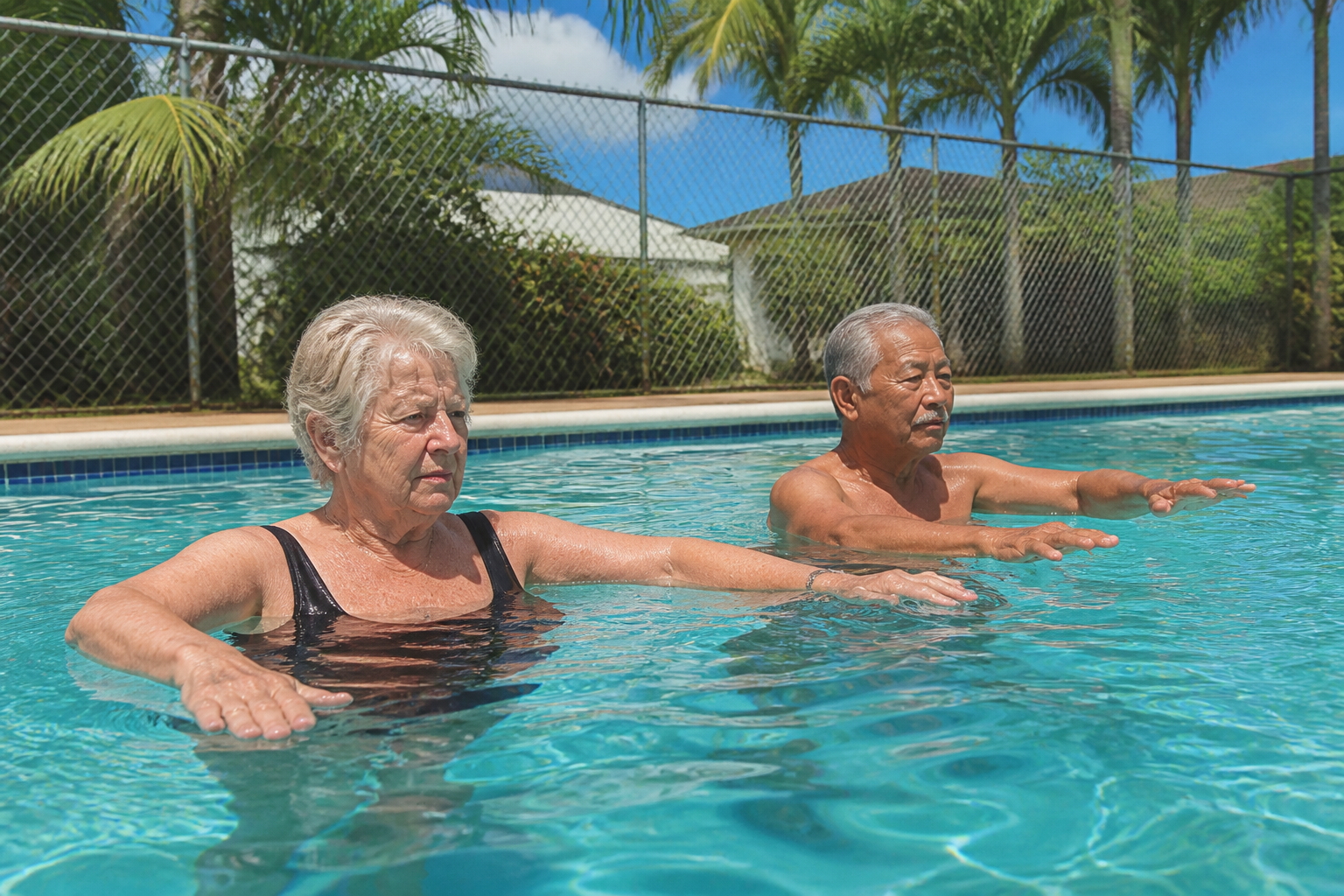
Pool Exercises for Seniors: Do Water Workouts Really Work?
By Doug Jones
Pool Exercises for Seniors: Do Water Workouts Really Work?
What are pool exercises for seniors?
Pool exercises for seniors are safe, low-impact water activities that utilize hydrostatic pressure and natural buoyancy to build cardiovascular endurance, enhance balance, and strengthen muscles without joint pain or muscle soreness. Floating in water cushions your joints while offering multi-directional concentric resistance that keeps YOU!!! moving safely every day.
What's In This Article
- Understanding Water Workouts and Aquatic Fitness for Older Adults
- How Water Pressure Protects Your Heart During Aquatic Workouts
- Best Water Exercises for Older Adults
- Pool Exercises for Seniors: Preventing Muscle Soreness
- Improving Balance and Proprioception in Shallow Water
- Pool exercises for seniors: Questions I Get Asked Most
Aloha from beautiful Kaua'i! Out here in paradise near Bali Hai, I get asked all the time about the best ways to keep moving without beating up your joints. If land-based walking or lifting feels a bit rough on your knees, pool exercises for seniors offer a fantastic way to stay active, build stamina, and feel fantastic!
Water gives you a unique environment where gravity lets go of its grip. You can work your heart, get your blood circulating, and train your balance with minimal risk of falling or waking up with severe muscle soreness tomorrow. The secret is knowing how water resistance works so you get the maximum benefit out of every minute in the pool. When you combine aquatic fitness with simple daily movement habits, the difference between doing nothing and next to nothing... is EVERYTHING!
Below, I break down exactly why water workouts are so powerful, how buoyancy changes calorie burn, and how hydrostatic pressure helps your heart pump blood easier. Here is the column that started it.
Disclaimer: Always use shallow water with a lifeguard or a buddy, hold the pool edge, and consult your physician before starting water workouts.
Understanding Water Workouts and Aquatic Fitness for Older Adults
WATER WORKOUTS: WHATEVER FLOATS YOUR BOAT!

Dear Doug,
I’m a regular reader and always appreciate the fun-filled facts you provide about fitness and fat loss. In last month’s column, you mentioned that working out in water might not be a great exercise. I actually love the resistance that water provides when I’m practicing my martial art kicks and punches. Please clarify your perspective for me, and keep up the great work, sensei.
Moloa`a Man -
Mahalo, Moloa`a Man. I truly appreciate your feedback and want to reassure you that aquatic exercise definitely packs a punch and kicks butt! For a wide range of people, and for a multitude of reasons, water workouts are tremendously beneficial.
Before we dive deeper, let me first address my statement from last time about “swimming not being an incredibly effective fat loss tool for overweight populations.” My point was regarding three specific variables… overweight individuals, aiming to burn body fat, through conventional swimming.
When a person has a higher ratio of fat to lean tissue, their body composition enables them to float, facilitating skimming across the surface. Buoyancy in water creates a workout scenario which is very efficient, so that fewer calories are burned. Though swimming is a wonderful mode of exercise for everybody and every body, it isn’t an incredibly effective fat loss tool for overweight populations.
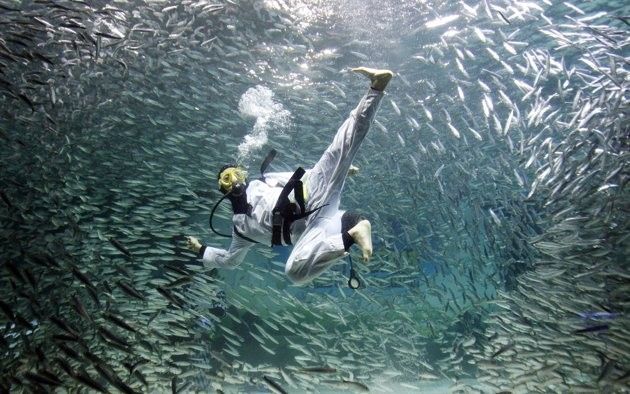
Another point to consider is that, in water, muscles only contract and shorten concentrically. Resistance is created by moving rapidly and displacing the volume of the water surrounding your body. This isn’t a bad thing, it’s just not the best.
Eccentric muscle actions (lengthening muscles under tension) are essentially non-existent while training in water because your muscles aren’t required to slowly lower weight. In addition to being the best way to increase muscle tone, size, and strength, eccentric muscle actions also provide a greater thermogenic (metabolism-boosting calorie-burning) response, both during and after exercise. While floating in fluid, this secret solution has gone adrift.
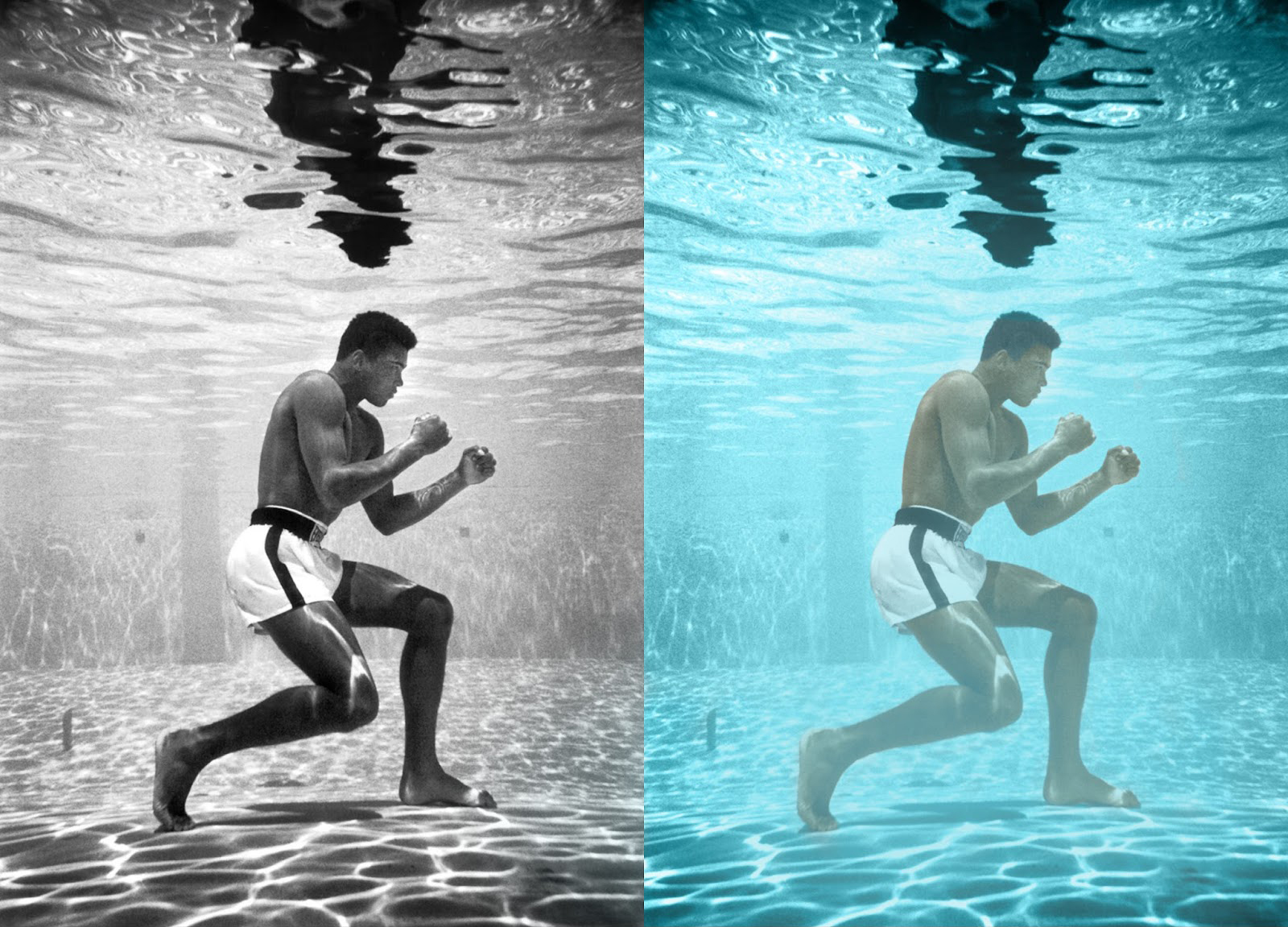
With all of that being said, I’m pleased to appease you with 7 reasons why water exercise is still phenomenally beneficial.
...WHATEVER FLOATS YOUR BOAT...
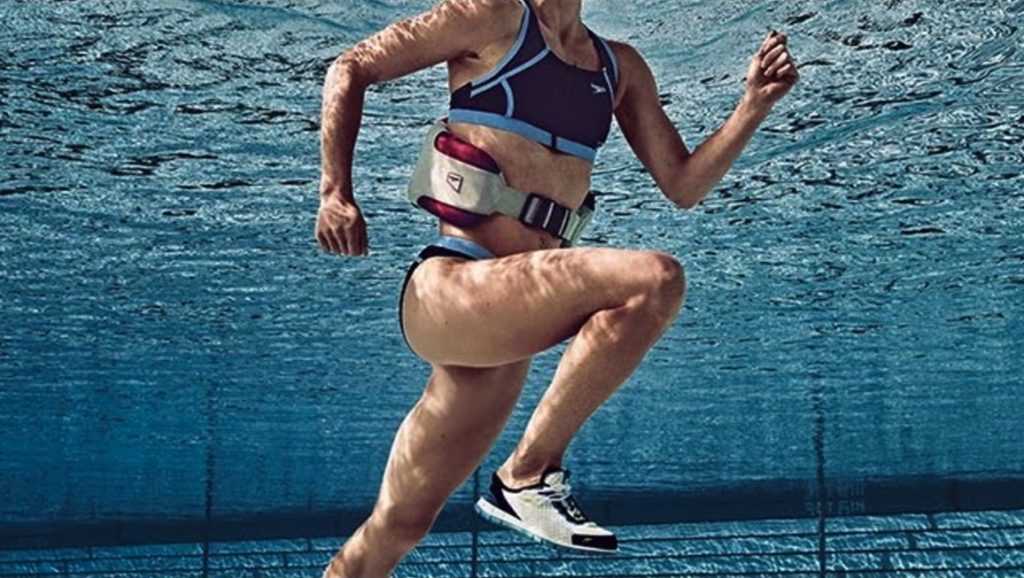
Training in water offers unique advantages for individuals of all fitness levels, especially those with joint issues or injuries. Water workouts provide a cushioning effect allowing exercise without the discomfort often associated with traditional land-based workouts. Sustained deep water movements mimicking running, cross-country skiing, and jumping jacks are extremely intense circulo-respiratory alternatives to conventional stamina modes.
...WATER FUELS THE FURNACE...
Exercising in cold water can elicit a physiological response known as cold-induced thermogenesis, and even shivering-induced thermogenesis. In an effort to maintain core temperature, the body burns additional calories, thereby increasing metabolic rate. This process not only aids in weight management but also enhances the body’s ability to adapt to varying environmental conditions.

...HYDROSTATIC HELP...
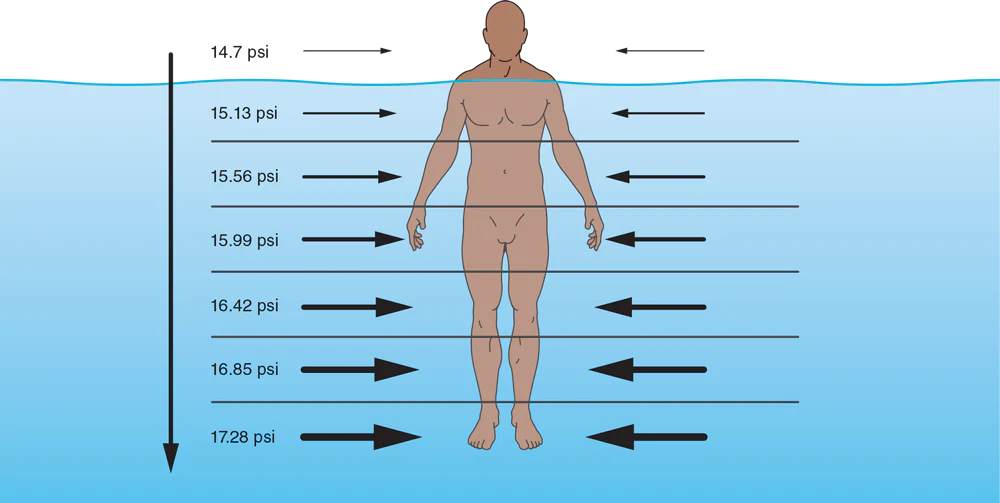
A unique advantage of training in water is the hydrostatic pressure exerted by the surrounding liquid. When submerged, this pressure helps compress blood vessels, facilitating the return of blood to the heart. As a result, the cardiovascular system experiences less strain compared to exercises performed on land, making water workouts an excellent option for individuals with heart conditions or circulatory issues.
...ENGAGE THE WAVES...
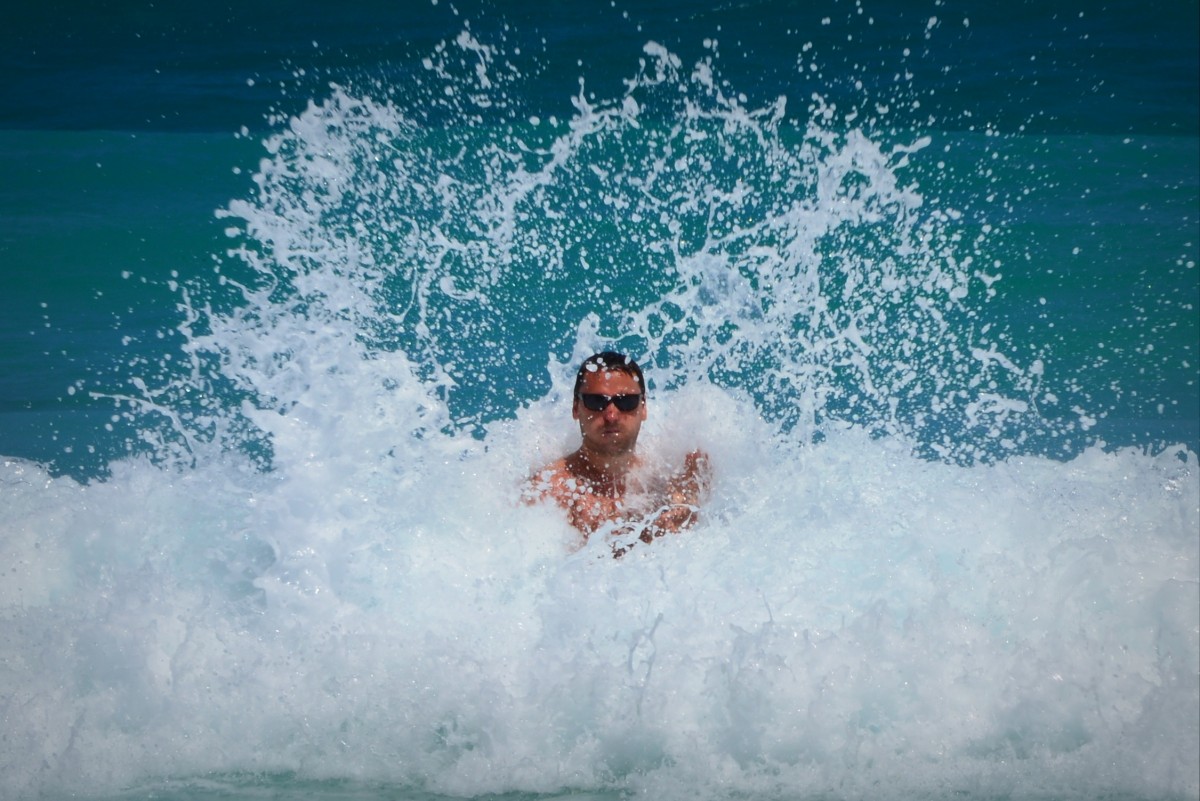
Training in the ocean’s shifting surfs and sands offers a dynamic environment that challenges balance and proprioception. The soft, uneven surface of the ocean floor requires constant adjustment, engaging stabilizing muscles and enhancing kinesthetic awareness. This heightened sense of balance helps to reduce the risk of falls and injuries in everyday life.
...PEACE LIKE A RIVER...
Beyond the physical benefits, water workouts offer significant mental and emotional advantages. The soothing properties of water promote relaxation and stress reduction, providing a therapeutic escape from the pressures of daily life. The calming effects of water exercise contribute to overall well-being and mental clarity.
...KICKING IT UP A NOTCH...
Water’s resistance allows for movement throughout a full range of motion, in any direction. The provision of infinite multidirectional resistance will challenge the muscles in unlimited planes. However, it is essential to exercise caution to avoid overextending movements outside of a joint’s normal range of motion.
...SO LONG TO SORENESS...
As stated previously, the resistance created underwater is concentrically-emphasized, challenging muscles in ways that differ from traditional exercises. The absence of eccentric muscle actions allows for muscle engagement without the potential for DOMS, Delay Onset Muscle Soreness. Muscular soreness isn’t necessarily a bad thing, but avoiding it might be just what the doctor ordered for those new to exercise.
I hope to see you at tomorrow’s “Walk & Talk.” Please check details online.
How Water Pressure Protects Your Heart During Aquatic Workouts
When you stand chest-deep in a pool, something incredible happens to your cardiovascular system. The water exerts what exercise physiologists call hydrostatic pressure against your body. Think of it as a gentle, continuous embrace that compresses your outer blood vessels and encourages blood to flow smoothly back toward your heart.
For older adults, this natural compression takes a huge load off your heart. Your cardiac muscle doesn't have to pump nearly as hard to circulate oxygen-rich blood throughout your entire body compared to land workouts! This creates a wonderfully safe environment to build stamina and circulatory health without putting excessive strain on your system. It is Smart-Simple-Speedy-Safe exercise at its absolute finest!
Why Hydrostatic Compression Matters
- Reduced Heart Strain: Assists venous return so your heart pumps more efficiently.
- Gentle Joint Support: Surrounding water pressure supports tired knees, hips, and ankles.
- Swelling Reduction: Helps flush fluid out of lower extremities naturally while you move.
Best Water Exercises for Older Adults
You don't need complicated gear or extreme swimming laps to enjoy great water fitness! In fact, simple vertical movements inside shallow water can transform your overall health while keeping joint discomfort at zero. Using pool exercises for seniors like gentle water walking across the shallow end lets you work against smooth fluid resistance.
Always maintain control by keeping one hand near the pool railing or edge wall if you feel unsteady. Try standing chest-deep and performing gentle forward arm sweeps or side-to-side torso twists. The fluid pushes back against every movement in all directions simultaneously, giving you a complete full-body routine without any harsh impacts!
Easy Starter Routine in Shallow Water
- Water Walking: Walk forward across the shallow end with upright posture, pumping arms gently.
- Chest Sweeps: Extend arms forward underwater and sweep them outward to target your back and chest.
- Supported Leg Lifts: Hold the pool edge firmly and gently raise one leg forward and back.
By pairing these aquatic routines with our Smart-Simple-Speedy-Safe fitness approach, YOU!!! can stay vibrant and strong year-round.
Pool Exercises for Seniors: Preventing Muscle Soreness
Have you ever wondered why you rarely feel stiff or sore the day after playing in the water? The secret lies in how your muscles contract underwater! On land, lowering a heavy weight or stepping down a stair forces your muscles to lengthen under tension—this is called eccentric muscle action, and it is the main cause of Delayed Onset Muscle Soreness (DOMS).
Underwater, exercise is almost entirely concentric, meaning your muscles only shorten as they push through fluid resistance. When you stop pushing, the water resistance stops immediately! This makes pool exercises for seniors the ultimate way to stay active without worrying about painful muscle stiffness tomorrow morning. It is perfect for beginners who want to move without fear of overdoing it!
Benefits of Concentric Water Resistance
- Zero DOMS: Wave goodbye to painful post-workout stiffness!
- Multi-Directional Challenge: Resistance meets you in every single movement angle.
- Controlled Intensity: Move faster for more challenge, or slow down for gentle therapy.
Improving Balance and Proprioception in Shallow Water
Balance is one of the most vital physical skills to protect as the years roll by. In the water, tiny currents and gentle waves constantly nudge your torso, forcing your deep core muscles to wake up and stabilize your posture. This constant feedback sharpens your brain's kinesthetic awareness—your body's internal sense of where it is in space.
Practicing slow balance movements while submerged gives you a completely safe safety net. If you happen to lose your center of gravity while holding onto the edge of the pool, the water catches you instantly! You can practice shifting weight from heel to toe, standing tall, and engaging your core without any fear of falling onto a hard floor. Remember, Mahalo for your body, and never forget that the difference between doing nothing and next to nothing... is EVERYTHING!
Water Balance Basics
- Core Engagement: Keep belly muscles light and lifted while floating or standing.
- Pool Wall Safety: Always perform balance challenges within arm's reach of the pool edge.
- Ocean Caution: Enjoy ocean water only on calm days with smooth sand underneath your feet.
Pool exercises for seniors: Questions I Get Asked Most
Are pool exercises effective for seniors who cannot swim?
FIELD-TESTED AND TRUE! You do not need to know how to swim to get an amazing pool workout. Simply standing in shallow, chest-deep water while holding the pool wall lets you walk, lift your legs, and sweep your arms safely against water resistance. It is completely safe, fun, and easy on your joints!
How often should seniors do pool workouts each week?
I recommend starting with 2 to 3 sessions per week for about 20 to 30 minutes each time. That gives your heart and muscles plenty of stimulation while allowing time to rest. Remember, the difference between doing nothing and next to nothing... is EVERYTHING!
Do water exercises help burn fat for older adults?
Yes, water workouts burn calories, especially when using cold-induced thermogenesis to keep your body warm underwater! However, because buoyancy makes floating very efficient, pair your pool sessions with simple land walking for maximum calorie burn. Smart-Simple-Speedy-Safe movement is the secret!
Why don't my muscles get sore after exercising in the pool?
Water resistance is concentric-focused, meaning your muscles only contract while shortening against the liquid. Because there are no heavy eccentric lengthening movements like lowering weights on land, you get a fantastic muscle workout with zero Delayed Onset Muscle Soreness (DOMS)! Mahalo to fluid dynamics for keeping YOU!!! pain-free!
Ready to put this to work today? Try SUPER 7 FREE for a Smart-Simple-Speedy-Safe daily starting point: no gym, no equipment, no downloads - just open and go.
In Health & With Hope,
Doug :-)

About the Author: Douglas Jones, BS, MA, CSCS
Douglas Jones earned his Master's Degree in Exercise Physiology from the University of Maryland and is a Certified Strength and Conditioning Specialist. As an Exercise Physiologist and Concierge Fitness Professional based in Kaua'i, he has helped thousands of clients in person and millions online build simple, science-based habits for strength, stamina, stretching, and sustenance.
Doug is the founder of the Super 7 System — a complete training system you can do at home in as little as 7 minutes a day.
Watch his free intro and start free at Super7System.com.