Reducing Sugar Intake for Seniors: Healthy Carbohydrates
By Doug Jones
Q: How does reducing sugar intake benefit energy levels in seniors?
A: Reducing refined sugar prevents drastic blood sugar spikes and crashes, providing steady, sustained energy throughout the day from nutrient-dense whole food carbohydrates.
What's In This Article
- Doug's original column: Your Sugar Fix
- Choosing Healthy Carbs for Seniors to Keep Energy High
- Simple Steps Toward a Low Sugar Senior Diet
- The Power of Whole Food Nutrition Older Adults Can Trust
- FAQ: the questions I get asked most
Reducing sugar intake for seniors is one of the most powerful steps you can take to protect your joint health, keep your energy steady, and support a bright, clear mind. Here on Kaua'i, we love our tropical sweet treats, but processed candies and hidden sugars can quietly derail your daily vitality and mobility.
In the column below, I share a fun response to a local mom caught in a house full of holiday sweet treats. While the story centers on family holiday candy, the physiological lessons apply directly to all of us as we age and seek to keep our bodies strong.
Read on to learn why your body needs real whole fuel rather than empty calories, and how you can gently step away from processed sweets while still enjoying life’s natural abundance safely every day.
Start free at Super7System.com, or take the free fitness sampler and see the full program details.
Original Column: Your Sugar Fix


Your Sugar Fix:
How Sweet It Is!

Dear Doug,
My keiki and I are surrounded by candy chaos, with bags, baskets, and buckets of sweet treats strewn all over the house. I know that sugar isn’t good, but I’m eating it with mixed emotions, joy and happiness. Seriously, is a little dandy candy really that bad? What’s your take on giving in versus locking up?
Mommy Michelle -
Mahalo, Michelle. I love your candor… and your question. There’s no better time to discuss a hollowed weaning from your sacred sugars.
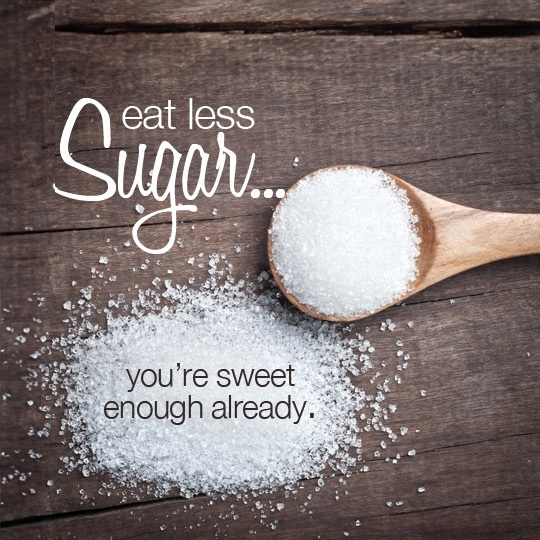
Sugar is an important nutrient. Yes, technically speaking, sugar IS a nutrient; as a carbohydrate, it is a "macronutrient."
Your body runs primarily on sugar… and your brain is fueled almost exclusively by sugar. Nonetheless, this doesn’t mean that you can trick your body into thriving on treats. Some carbohydrates are a WHOLE lot healthier than others.
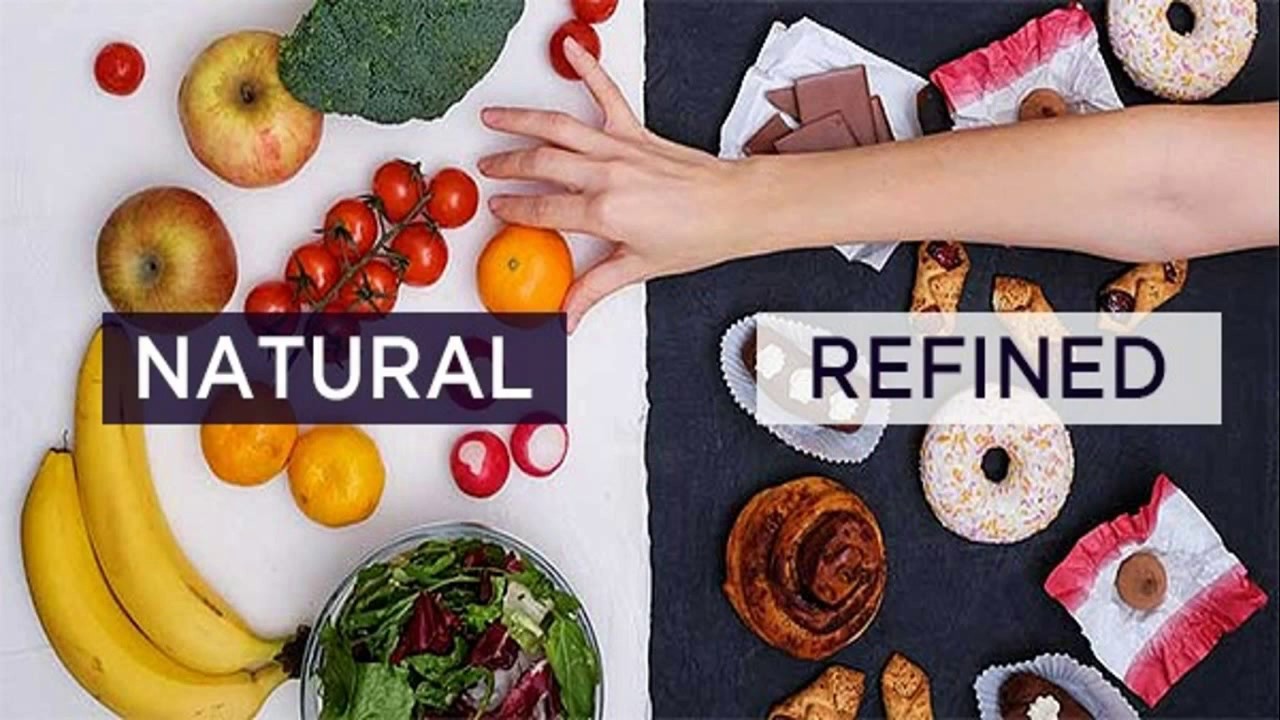
Foods that grow (and can be PICKED or HARVESTED) are the best source of healthy carbohydrates. These more “complex” carbs can be converted by your body into the “simple” sugars (glucose) that it needs to properly fuel your body and your brain. Processed sugars that you can PICK (UP on a doorstep) or can be HARVESTED (house-to-house) are far from what your body requires, no matter how tasty.
1. The Bitter Truth About Sweets!
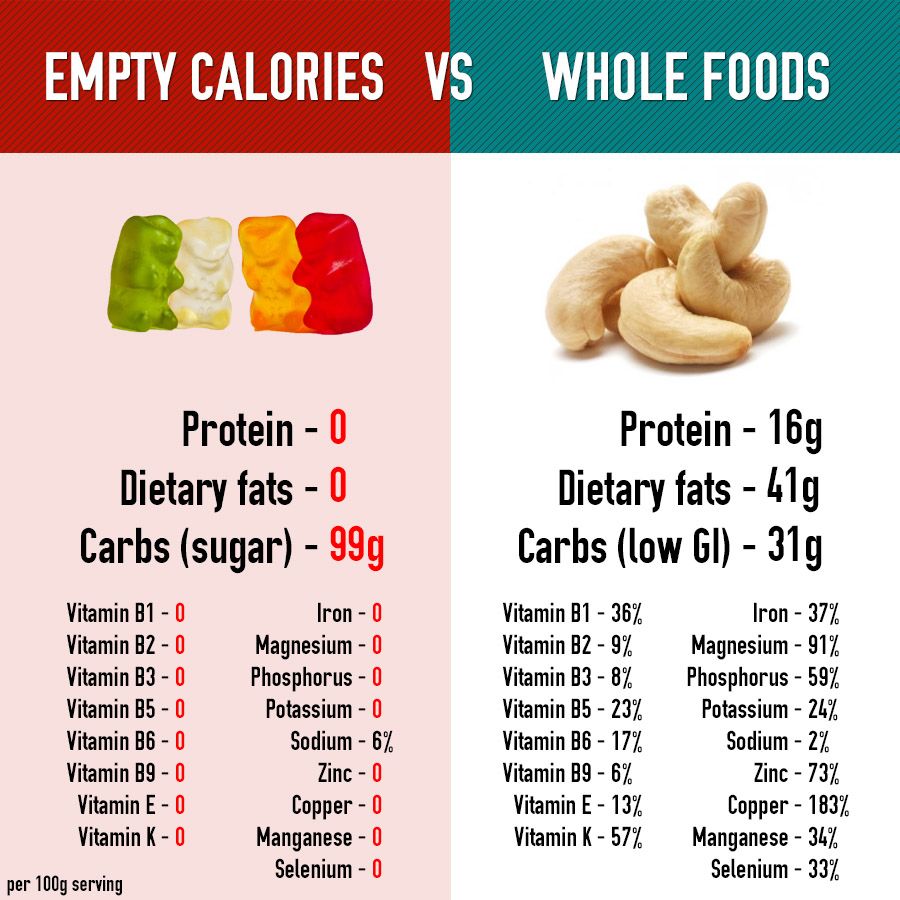
You’ve heard about “empty calories,” right? This means that you have lots of calories, but no nutrition. Not to be a total “Dougie Downer” here, but candy is about as bad as it gets. Processed sweets are not just empty calories, but also a veritable health hazard, associated with diabetes, inflammation, heart disease, mood disorders, cognitive decline, skin problems, and gut health issues, inside AND out. They also cause addictive dopamine spikes. For children, the stakes are even higher, affecting both current and future development. Candy feeds a craving, not your body.
2. Tricking Us with Treats!
Do you read labels? Please start, and please read the fine print. Sugar dresses up in many costumes, too: sucrose, fructose, corn syrup, cane juice, and even seemingly more “natural” options like agave, fruit sugars, and honey. I’m always amazed by people afraid of the sugars in a banana or carrot, but then dive, face first, into processed foods presented with misleading packaging. Do you want to see a woman who eats over 30 bananas a day? You’ll be amazed! I’ll post the video at the link below. Real food is really good!
3. Nutrient Density!
Nutritive fitness is the name of the game. Make it fun for you and your kiddos. Discover how to consume the most nutrients in the least number of calories. Consider vitamins, minerals, fiber, and even phytonutrients. Sugar-laden snacks, which offer all bad and no good, create a nutrient deficit in our bodies. They don’t offer anything valuable, but also deplete our internal nutrient stockpile, essentially eroding our health from the inside out.
4. The Whole Food Advantage!
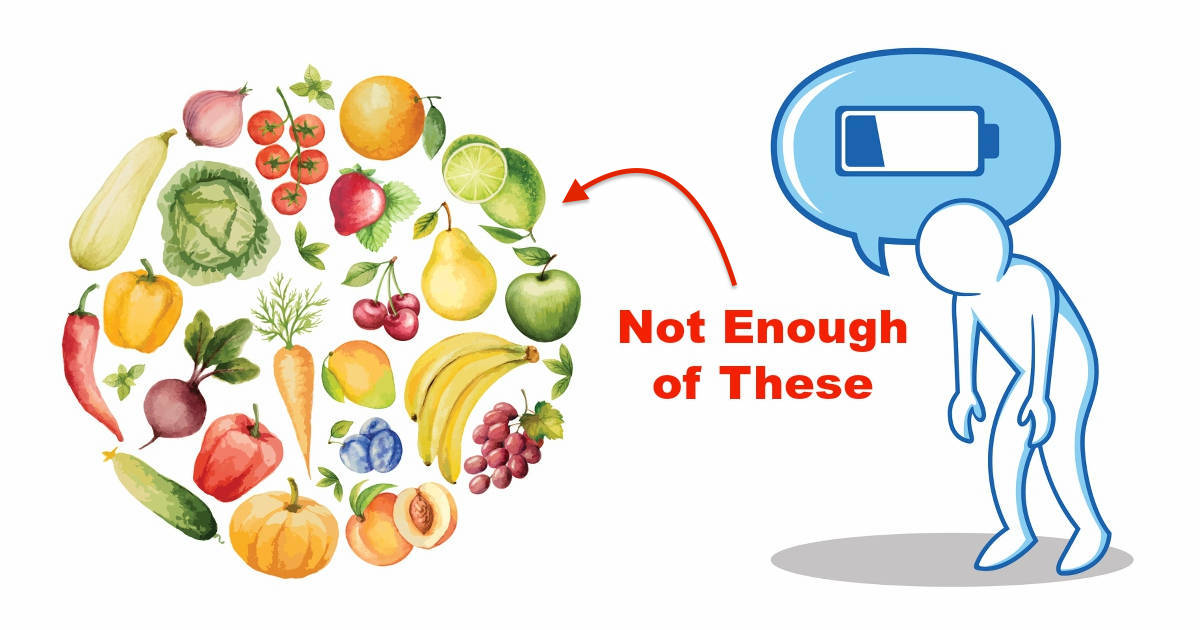
An apple a day? When we eat whole foods, we’re supporting our body, not sabotaging it. For example, processed and pasteurized apple juice contains 11 vitamins and minerals… and maybe another dozen or so potentially healthy phytonutrients. But, if you go straight to the source, like a freshly-picked organic apple, you’ll be consuming over 400 nutrients. Sure, there is sugar in an apple, but it’s also loaded with hydration, fiber, and phytonutrients.

5. The Bucket List!
So, Michelle, what should you do with that leftover candy? At my fitness center back east, we’d have “Trash the Stash” parties. All of my (most dedicated) clients would dump all of their tricky treats into a pile on 11/1 and we’d stomp it silly. I would suggest that you and your kids each take out your 7 most favorite treats, and totally trash the rest. Your kids will thank you… later in life… hopefully. haha

6. Island Alternatives!
Here on Kauai, who says we need candy to celebrate? We’ve got nature’s playground right outside our doors. Instead of diving into sweets, how about a family walk to the rainbow eucalyptus trees on the Kuilau Ridge Trail, or do a creepy cardio session at the tree bark forest (enjoy the spooky video below). I also suggest a shave ice reward AFTER reaching the Sleeping Giant summit?
7. Health & Hope!
Especially for the keiki, I’ve added a few of my animated “Father Fitness” videos below. Getting your kiddos interested in becoming healthy and fit can be a fun family adventure. Enjoy watching my alter ego...
Ready to put your energy to work? Try SUPER 7 FREE for a Smart-Simple-Speedy-Safe daily starting point: no gym, no equipment, no downloads - just open and go.
In Health & With Hope, Doug... aka Father Fitness :-)

Choosing Healthy Carbs for Seniors to Keep Energy High
Your body and brain rely on carbohydrates for daily energy, but the type of carb you choose makes all the difference as you age. Processed sweets spike your blood sugar quickly, leading to an inevitable crash that leaves you feeling tired, foggy, and stiff. Choosing healthy carbs for seniors—like fresh apples, sweet potatoes, oats, and berries—provides a steady, sustained release of fuel without those harsh physical ups and downs.
When you eat carbs intact with their natural fiber, your digestive system absorbs the natural sugars slowly. This helps keep your blood glucose stable and supports good balance and stamina throughout the day. Here are a few simple ways to incorporate better options this week:
- Enjoy a crisp, thin-sliced apple with a small spoonful of almond butter for a nourishing afternoon lift.
- Swap sugary processed cereals for steel-cut oats topped with a handful of fresh blueberries.
- Practice a quick counter-support habit: hold gently onto the kitchen counter and do ten slow heel raises while waiting for your morning oats to cool.
Always listen to your body and check with your healthcare provider if you are managing diabetes or blood sugar sensitivities. Gentle, consistent habits are the key to long-term vitality.
Simple Steps Toward a Low Sugar Senior Diet
Transitioning toward a low sugar senior diet does not mean stripping all joy from your meals or living on bland food. It simply means becoming mindful of hidden sugars tucked into packaged items like salad dressings, canned soups, bottled teas, and flavored yogurts. When you reduce processed sugars, you lessen systemic inflammation, which directly supports easier movement in your knees, hips, and lower back.
Instead of relying on harsh willpower or sudden restriction, focus on making small, manageable swaps that keep your tastebuds happy and your body nourished. Try these safe, everyday adjustments:
- Read labels closely and look out for hidden names like corn syrup, cane juice, agave, and fructose.
- Flavor your warm water or herbal tea with fresh lemon slices, mint, or a cinnamon stick instead of sweetened syrups.
- When a sweet craving hits, reach for a small handful of raw walnuts alongside a piece of whole fruit.
If you ever feel lightheaded or off-balance when adjusting your eating habits, pause, rest near a sturdy support, and sip fresh water. Food changes should feel gentle, supportive, and completely pain-free for your system.
The Power of Whole Food Nutrition Older Adults Can Trust
Embracing whole food nutrition older adults need is like giving your body a premium upgrade from the inside out. Single-ingredient whole foods—things that grow in the ground or on trees—come packaged with vitamins, minerals, water, and fiber that work together harmoniously. A single fresh fruit offers hundreds of protective nutrients that a processed fruit juice or fruit-flavored candy simply cannot replicate.
This broad spectrum of nourishment strengthens your immune system, feeds a healthy gut microbiome, and helps maintain lean muscle strength as the years go by. To build this habit safely and easily at home this week, try these practical steps:
- Focus on filling half your plate at lunch and dinner with colorful, non-starchy vegetables like broccoli, spinach, or bell peppers.
- Choose whole fruit over processed fruit juices to ensure you get the full benefit of natural dietary fiber.
- Keep fresh, washed fruit at eye level in your refrigerator so healthy choices are always within comfortable reach.
Remember to move within a comfortable range of motion every day, supporting yourself on a counter or table whenever you reach into low cabinets. Nourishing your body with real food is an act of deep self-care.
For general background, see Dietary Guidelines for Americans recommendations on limiting added sugars for older adults..
FAQ: Questions I Get Asked Most
Why is reducing sugar intake for seniors so important for daily movement?
Reducing sugar intake for seniors helps decrease systemic inflammation, which directly impacts joint comfort and flexibility. High sugar consumption leads to rapid blood sugar spikes and crashes, causing fatigue and stiffness. By minimizing processed sugars and choosing whole foods, you maintain steady physical energy, support better brain clarity, and keep your joints feeling smooth and comfortable during daily activities.
What are the best natural sweet alternatives for older adults?
Fresh whole fruits like berries, apples, bananas, and papaya make wonderful natural alternatives. They provide natural sweetness alongside essential fiber, hydration, and vitamins. Combining a piece of fruit with a healthy fat, such as a few almonds or walnuts, helps slow digestion and prevents sudden blood sugar surges while satisfying your sweet tooth safely.
How does sugar affect joint pain and arthritis in seniors?
Processed sugars promote the release of inflammatory messenger chemicals in the body, which can aggravate joint swelling, stiffness, and discomfort. Reducing refined sugars often brings noticeable relief to knees, hands, and back joints, allowing for smoother, safer daily walking and home exercises without unnecessary flare-ups.
Can I still eat fruit if I am trying to cut back on sugar?
Yes, absolutely. Whole fruit contains natural sugars bundled with fiber, water, and rich antioxidants that slow down sugar absorption. Unlike processed candies or sugary drinks, whole fruit nourishes your cells and supports digestion. Just enjoy fruit in whole form rather than processed juices, and balance it with your overall daily meal plan.

About the Author: Douglas Jones, BS, MA, CSCS
Douglas Jones earned his Master's Degree in Exercise Physiology from the University of Maryland and is a Certified Strength and Conditioning Specialist. As an Exercise Physiologist and Concierge Fitness Professional based in Kaua'i, he has helped thousands of clients in person and millions online build simple, science-based habits for strength, stamina, stretching, and sustenance.
Doug is the founder of the Super 7 System — a complete training system you can do at home in as little as 7 minutes a day.
Watch his free intro and start free at Super7System.com.
Medical disclaimer: This article is educational only and is not medical advice, diagnosis, or treatment. Stop any movement that causes pain, and check with your healthcare provider before starting new exercise or changing your diet.
Seven honest minutes at your own counter. Try Super 7 Free →