
Senior Weekend Warrior Workout Safety: Protect Your Joints
By Doug Jones
Q: Why is weekend-only intense exercise risky for active seniors?
A: Cramming intense physical activity into just one or two weekend days increases strain on unconditioned joints and muscles; spread out short workouts across the week for safer gains.
What's In This Article
- Doug's original column: Weekend Athlete?
- Why Workout Consistency for Older Adults Beats the Weekend Push
- Key Strategies for Overuse Injury Prevention in Seniors
- Finding a Safe Exercise Frequency for Seniors Who Love the Outdoors
- FAQ: the questions I get asked most
Focusing on senior weekend warrior workout safety helps keep your favorite island adventures enjoyable without risking sudden injury or exhaustion.
Saving all your physical effort for one massive weekend hike or scramble might feel productive, but taking six straight days off resets your hard-earned progress. Detraining starts in just a few days, leaving your heart, lungs, and legs unprepared for the heavy strain of a long trail.
Read my response to K.J. below to learn why extended breaks between big workouts increase your risk, and how adding just a few minutes of light midweek movement can protect your joints and keep your stamina strong.
Start free at Super7System.com, or take the free fitness sampler and see the full program details.
Original Column: Weekend Athlete?
ARE YOU WORKING OUT...
WEEKLY OR WEAKLY?
Dear Doug,
I read all of your stuff and you’re a pretty smart dude. I have a question about my weekly hikes, where my wife and I climb up and down a Kauai ridge or mountain. Our hikes are very, very physical and can last 5 to 7 hours. You’d probably call them “Super Strenuous Stamina Scrambles.” Since we only do these once a week, I'm curious if this is a good thing or a bad thing for our fitness. This question becomes more important as we get older and you are just the right person to ask.
Mahalo, K.J.

I appreciate your question and comments, KJ. You are obviously both young at heart, as well as kindhearted.
“Weekend Athlete Syndrome" is a term used to characterize individuals who engage in strenuous physical activities only once per week, usually when they have some extra time on a Saturday or Sunday. Tennis, basketball, flag football, and soccer are popular sports. Surf shredding, bike blazing, and sand spiking count, too. A 7-hour Super Strenuous Saturday/Sunday Stamina Scramble definitely steals the show, even for the young-hearted.
While each of these activities provides a rigorous workout, the issue arises from the prolonged gap between sessions. Engaging in such intense activities only once a week means paying the price for a half-day hike without receiving the full reward for your invested efforts. Taking six days off in between workouts makes your next scramble tougher on stamina and rougher on safety.
There is just too much down time and, as a result, detraining during the week negates any training effects from the weekend. This is not only not good; it can also be quite bad.
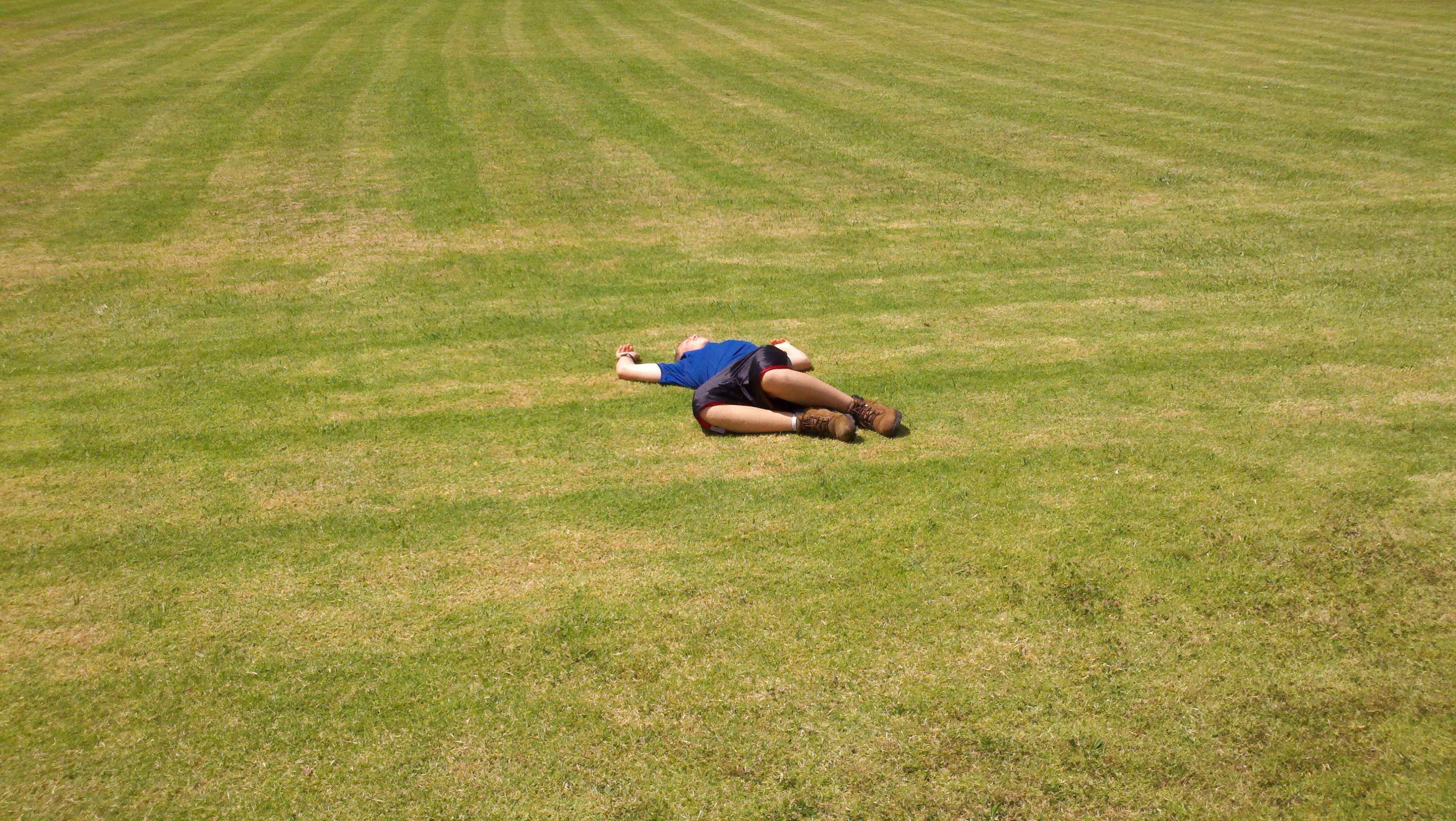
Many people mistakenly believe that being a weekend warrior enhances their level of fitness, so they push themselves progressively harder during each upcoming scrimmage or scramble. Eventually, this is an accident waiting to happen. The lack of physiological adaptation from training means that, at some point, the intensity of your weekend adventure will outmatch your preparation, leading to muscle and tendon strains, ligament sprains or, worse yet, cardiovascular “pains.”
In my previous column, I stated that I don’t like taking off more than two days in a row from on-purpose exercise, especially for activities involving stamina. When you do so, the benefits of exercise begin to end. Detraining starts only days after training stops.
Exercise triggers instantaneous advantageous physiological alterations to your body. When you stop training, these beneficial adaptations reverse… and reverse quickly. Cardiovascular fitness declines, resting heart rate rises, blood volume decreases, and muscle atrophy occurs, resulting in reduced muscle strength and endurance.
This rate of detraining varies among individuals and depends on genetics, age, fitness level, and types of exercise. Because detraining can begin within just a few days of inactivity, any gains that you made during your strenuous weekend excursions have most likely totally evaporated during the week.
If you continue to only perform one-weekly workouts, you might not experience any net positive change in your fitness level, ever. Do you see how this can make each successive scramble potentially more dangerous? Fortunately, there’s a simple fix for making your super scrambles also super smart and safe.
Currently, you’re doing nothing during the week, right? Instead, I suggest that you start doing next to nothing. It doesn’t take a 7-hour hike to get results. You can elicit an effective circulo-respiratory responses in 7 minutes. You don’t have to always go 7-miles up and down a mountain. During the week, you can go up and down your staircase, or your street, 7 times, perhaps on Tuesdays and Thursdays.
Diversifying your training also works wonders. The heart, lungs, and blood vessels are conditioned through a variety of activities. Don’t just hit the ridges and mountains. Venture out on the bike path. Adventure out in the ocean. Super short sessions of stamina can stave off the effects of detraining between your super scrambles.
Though your commitment to physical activity is amazing, more frequent consistency is crucial for long-term fitness and health. Every third day is a good rule to follow. Adding shorter, mid-week workouts will ensure that your weekend scrambles will remain enjoyable for years to come.
For some final thoughts about hiking down the hills that you scramble up, especially when even less frequently than once per week, please watch the video below. I just climbed this mountain again last week... and, yes, it's still a doozie-and-a-half. haha ENJOY!!
Mark your calendars for my Super Sunday Sunset Stroll on 11/5 at 5:00 pm. Meet us at the parking lot of the Kapaa Swimming Pool, right behind Chicken in a Barrel BBQ on Kou Street. Look for the guy with the smiley face hats; that's me!
In Health & With Hope,
Doug :-)

Ready to put your workout safety to work? Try SUPER 7 FREE for a Smart-Simple-Speedy-Safe daily starting point: no gym, no equipment, no downloads - just open and go.
In Health & With Hope,
Doug :-)
Why Workout Consistency for Older Adults Beats the Weekend Push
When you tackle a strenuous 5-to-7-hour hike on Sunday and do nothing for the next six days, your body undergoes detraining. Your heart rate rises faster during effort, blood volume decreases, and muscles lose structural readiness. Building true stamina requires gentle, regular signals to your cardiovascular system rather than one weekly shock.
Improving workout consistency for older adults does not require hours of daily effort. A few minutes of deliberate movement every few days maintains your adaptations so you do not start from scratch every weekend.
What to do this week:
- Pick two midweek days, such as Tuesday and Thursday, for active recovery.
- Walk up and down your driveway, hallway, or staircase for 7 minutes at an easy, rhythmic pace.
- Use a sturdy handrail on stairs to maintain full stability and protect your knees.
- Perform 5 to 10 easy counter-supported calf raises in your kitchen to keep your lower legs resilient.
By filling the six-day gap, you keep your joints lubricated and your heart ready for whatever weekend trail calls your name.
Key Strategies for Overuse Injury Prevention in Seniors
Going from total midweek inactivity straight into hours of steep climbing creates severe stress on your tendons, ligaments, and cartilage. Descending mountain ridges puts heavy eccentric force on your knees and hips, which frequently leads to inflammation or joint sprains when tissues are unconditioned.
Smart overuse injury prevention in seniors relies on gradual exposure and supportive mid-week conditioning. Keeping muscles active between big outings ensures your tendons remain pliable and capable of absorbing trail impact.
Practical safety guidelines:
- Never jump into a heavy weekend effort without a brief 5-minute flat walking warmup to circulate fluid into your joints.
- Keep a countertop or stable table nearby while practicing gentle mini-squats at home to build thigh strength without overloading your knees.
- Pay close attention to subtle joint aches during your midweek walks; rest if you feel sharp discomfort.
- Pace your downhill walking on trails by taking shorter, controlled steps to reduce joint impact.
Consistent, low-impact conditioning during the week acts as armor for your joints when you head out on tougher terrain.
Finding a Safe Exercise Frequency for Seniors Who Love the Outdoors
A reliable principle for staying fit while protecting your body is the 'every third day' concept. You should avoid letting more than two full days pass without engaging in some form of purposeful cardiovascular or strength movement. This schedule keeps your metabolic and circulatory systems primed without causing fatigue.
Establishing a safe exercise frequency for seniors allows you to enjoy big outdoor adventures for years to come. Variety also helps: combining flat path walking, light cycling, or swimming alongside your regular weekend outings conditions your body safely.
Actionable routine for this week:
- Schedule your big adventure for the weekend, then plan light 10-minute sessions on Tuesday and Friday.
- Mix up your midweek activities by trying a smooth bike path roll or a shallow ocean walk.
- Always maintain counter support during home balance drills to prevent falls.
- Consult your healthcare provider if you experience unusual shortness of breath, dizziness, or chest discomfort during exertion.
Spacing out brief, high-quality movement sessions keeps your stamina high and your weekend adventures completely safe.
For general background, see NIH PubMed - Exercise and Physical Activity for Older Adults.
FAQ: Questions I Get Asked Most
Is it safe to do all my weekly exercise in one long weekend session?
Relying on a single intense session compromises senior weekend warrior workout safety. Six days of inactivity causes rapid detraining, lowering muscle strength and cardiovascular efficiency. When you push hard on the weekend without midweek conditioning, your risk of joint strains, sprains, and cardiovascular overload increases significantly. Shorter, regular workouts are much safer.
How quickly do older adults lose fitness during periods of inactivity?
Detraining physiological changes begin within just three to four days of complete rest. Cardiovascular capacity decreases, resting heart rate elevates, and muscle tissue begins to weaken. Taking six full days off between workouts means you lose much of the fitness gained during your previous effort.
What simple midweek exercises support long weekend hikes?
You only need 7 to 10 minutes of movement two times during the week. Try walking up and down a staircase using a handrail, walking along a flat neighborhood street, or practicing gentle counter-supported squats. These brief sessions preserve leg strength and aerobic stamina between trail days.
How many days a week should adults over 60 exercise?
Aiming to move every third day is an excellent baseline for maintaining fitness. Spacing short 10-to-15-minute exercise sessions every two or three days prevents detraining, protects your joints from sudden fatigue, and ensures your body remains ready for weekend outdoor recreation.

About the Author: Douglas Jones, BS, MA, CSCS
Douglas Jones earned his Master's Degree in Exercise Physiology from the University of Maryland and is a Certified Strength and Conditioning Specialist. As an Exercise Physiologist and Concierge Fitness Professional based in Kaua'i, he has helped thousands of clients in person and millions online build simple, science-based habits for strength, stamina, stretching, and sustenance.
Doug is the founder of the Super 7 System — a complete training system you can do at home in as little as 7 minutes a day.
Watch his free intro and start free at Super7System.com.
Medical disclaimer: This article is educational only and is not medical advice, diagnosis, or treatment. Stop any movement that causes pain, and check with your healthcare provider before starting new exercise or changing your diet.
Seven honest minutes at your own counter. Try Super 7 Free →