
Strength Training for Seniors Over 60: Is My Workout Really Working Out?
By Doug Jones
Strength Training for Seniors Over 60: Is My Workout Really Working Out?
What is strength training for seniors over 60?
Strength training for seniors over 60 means working every major muscle slowly through its full range of motion, one set per exercise, one to three times a week. It lowers blood pressure, improves cholesterol and blood sugar, adds lean muscle, and cuts fat — results that swimming, biking, walking, and gardening alone cannot deliver.
What's In This Article
- A Reader Asks: Is Swimming, Biking, and Walking Enough?
- Activity Is Not Always Exercise
- Why Strength Training Beats Everything Else After 60
- 9 Principles of Safe Strength Training for Seniors
- How to Start Strength Training Over 60
- Strength Training Questions I Get Asked Most
Aloha from Kaua'i. If you are already active and wondering whether you still need strength training for seniors over 60, this column is for you. It started with a letter from a reader who was doing plenty — and still asking the right question.
A Reader Asks: Is Swimming, Biking, and Walking Enough?
Aloha Doug:
Mahalo for your previous column. I am now newly reinspired! As far as exercise goes, I currently swim, bike, and walk. In addition to doing each of these activities at least once per week, I also do a lot of gardening. My question: Is this enough exercise for a woman who is 60+ years young? Or do I need to add something else to the mix? I'm really looking forward to your answer. Ke Akua Pū!
JoJo, Kapaa -

Dear dear JoJo,
Mahalo for reading! You are definitely off to a great start and yours is one of the most important questions that people can ask themselves, "Is my workout really working out?"
As an exercise physiologist, I am particularly persnickety regarding what I consider to be truly effective "on purpose" exercise.
Unfortunately, many (if not most) popular "workouts" prove to be a complete exercise in futility, at best. If you have ever felt that all of your hard work is hardly working, you are definitely not alone. For many (if not most), it is not. As you might recall from my previous column, this is one of my greatest frustrations in the fitness industry.
I am thrilled by the fact that you enjoy...

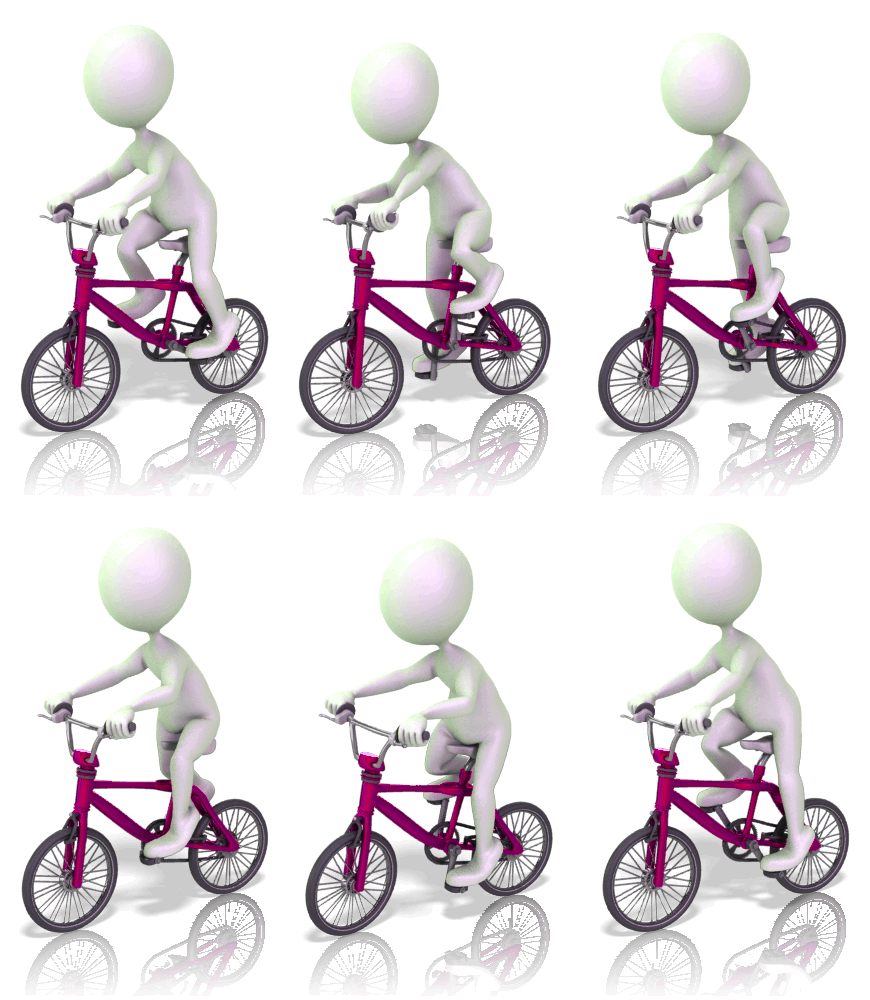


...on a weekly basis. These are all phenomenal activities and great ways to burn calories and stay active. Being active is always commendable and, if you have the time, energy, and inclination, there is a smörgåsbord of safe and effective exercises from which to choose.
Activity Is Not Always Exercise
With that being said, for now, let me address the elephant in the room… and I hope that it doesn't step on too many toes. For those of you who are sincerely interested in a transformative workout experience, and getting extraordinary results, both inside and out, it is vital to evaluate the fitness of your program from the ground up. Here goes!
We should all already realize that exercise isn't about sauna suits, toning tables, and seven-second abs, right? But what about tennis? Does that qualify? How about team sports? Or working with a trainer who is focusing on elastic bands and "core" work? Are "functional" fitness classes considered to be the best way to exercise? Is stretching the super solitary secret to shaping a svelte and slender structure?

And, to your specific question at hand, what about cardiovascular activities, such as swimming, snorkeling, biking, spinning, walking, running, or even gardening at intensities known only to those of us living near the wettest spot on earth? Is your current routine of super duper stamina the missing link?
With absolutely no intention of offending or discouraging any one person from doing any one thing, I do feel that it is vitally important for me to proclaim that, in my humble opinion, activity is not always exercise. Popular activities are not always productive workouts. And this very fact is often the source of major frustration for many people. They are hoping that arbitrary activity alone will provide all of the tangible fitness and fat loss benefits of effectual exercise.
To get incredible results, it doesn't take much, but it surely takes more.

From a scientific viewpoint, exercise should be defined by what your body needs to progressively possess both diminished disease and improved health. True "on purpose" exercise, as I like to call it, reduces risk factors for disease. True "on purpose" exercise enhances the health-related components of physical fitness.
If your workout is not doing both of these things, perhaps it is not truly exercise.
Accordingly, which activity BEST regulates the major controllable risk factors of disease... such as blood pressure, cholesterol, sugars, and obesity? Which activity most improves circulo-respiratory power, muscular strength and endurance, joint flexibility, and body fat percentage? Is any single activity as good as you think? Probably not… or at least not yet.
Swimming, though great for cardiovascular conditioning, does little for strength or burning body fat. Yoga may be great for flexibility but does little for circulo-respiratory power. Running can increase your stamina yet simultaneously decreases muscle mass and strength. "Core" work does not burn fat directly from the midsection. And the list goes on and on.
Why Strength Training Beats Everything Else After 60
This is precisely the problem with routine routines. Most individuals tend to gravitate towards one activity… the one that they love the most (or hate the least), regardless of whether or not it truly qualifies as a healthy and well-rounded and purposeful exercise. The fact that you have a strong quartet in your repertoire of movements is a great start. Swimming, biking, walking, and gardening all deserve ovation, at least one even standing.
But when push comes to shove, training for STRENGTH always affords the strongest guarantee. Strength training counts the most for immediate and abundant change, while also banking on your long-term security for a wealth of health.
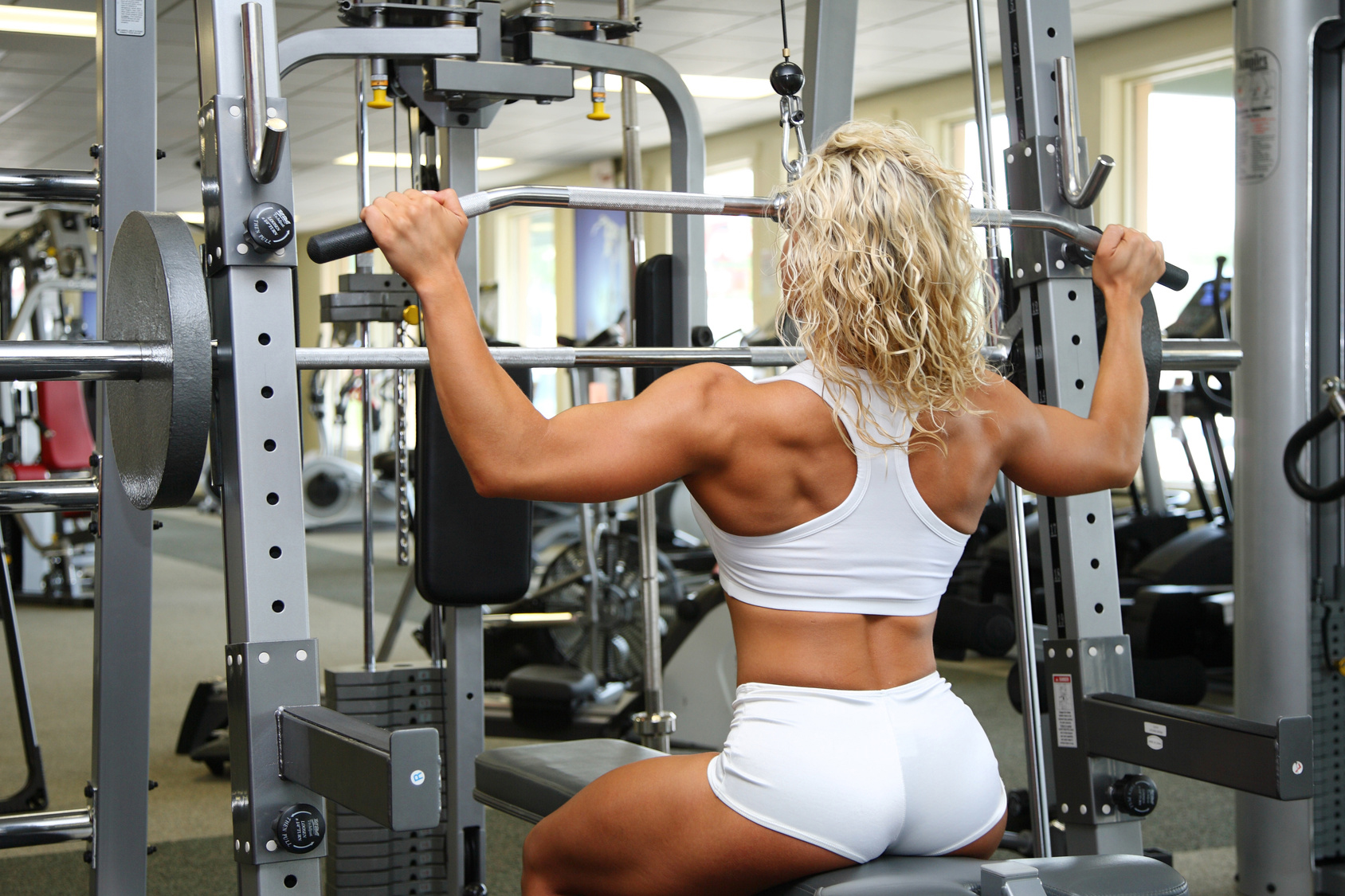
Are you aware that proper strength training reduces blood pressure, positively changes cholesterol and other blood lipids, and stabilizes blood sugar levels. It also dramatically improves muscular strength (obviously), muscular endurance (yes, strength increases endurance), and favorably alters body composition by increasing lean AND decreasing fat. Training for strength, when performed correctly, can also beneficially influence cardiovascular fitness and joint flexibility.
Although stamina and stretching are both tremendously valuable, strength is incalculably invaluable.
Nonetheless, even with this true panacea of fitness, training for strength is typically ineffective, and potentially dangerous, due to improper technique. Although many individuals spend hours per week (or even per day) involved in strength training activities, when performed haphazardly, this potentially "best way" to exercise can definitely be an accident waiting to happen. However, when performed as intended and "on purpose," training effectively for strength can effectively produce optimal benefits in literally minutes per week per muscle.

9 Principles of Safe Strength Training for Seniors
We will discuss the nuances of strength, and strength training, in future articles. And I promise to even make some of it fun! For now, let me leave you with at least a few key principles that can help you get your mind around muscle:
- Work every major muscle safely through its full range of motion.
- Lowering weights slowly is the secret to successful strength training.
- Train the muscles that work together, together… Push, Legs, and Pull.
- Change exercises very often, perhaps even for each and every workout.
- Slower speeds are safer and actually produce more force within the muscles.
- Warm up with Stamina. Get strong with Strength. Cool down with Stretching.
- Use a variety of equipment: free weights, machines, and body weight exercises.
- Train each muscle group at least once, but not more than twice or thrice per week.
- One set of each exercise, if properly performed, is often just as effective as multiple sets.
How to Start Strength Training Over 60
Take those principles off the page and into your week. Here is the simplest honest starting point I know:
- Two or three sessions a week, with a day of rest between them.
- One set per exercise, six to ten controlled repetitions, stopping while your form is still clean.
- Count the lowering. Two seconds up, four seconds down. The lowering is where the strength is made and where the joints stay safe.
- Push, Legs, Pull. Something that presses away, something that moves your own body weight up and down, something that pulls toward you.
- Add difficulty before you add duration. Slower, deeper, or a touch more resistance beats another twenty minutes.
- Never hold your breath. Exhale on effort. If you cannot talk, you are working too hard.
Weights are optional. Your own body weight, a couple of soup cans, or a resistance band will take a deconditioned 60-, 70-, or 80-year-old a very long way. The full push-legs-pull progression is laid out free at Super7System.com.
Strength Training Questions I Get Asked Most
Is walking and swimming enough exercise for seniors over 60?
They are excellent for stamina and calorie burn, but neither builds meaningful strength or reverses muscle loss. Add two short strength sessions a week and the whole picture changes.
How often should seniors over 60 strength train?
Train each muscle group at least once and no more than twice or thrice per week. Two full-body sessions with rest days between them suits most beginners.
How much weight should a senior lift?
Light enough that the last repetition is still slow and controlled. If you cannot lower it smoothly over about four seconds, it is too heavy.
Is strength training safe for seniors with high blood pressure?
Done properly it tends to lower resting blood pressure. Keep breathing, avoid straining or holding your breath, move slowly, and clear it with your doctor first if you have been sedentary or have a cardiac history.
Each of these points will no doubt be an isolated topic in columns to come. So, if you have any specific questions about any of these general principles, I'm here to help.
Ready to put this to work today? Try SUPER 7 FREE for a Smart-Simple-Speedy-Safe daily starting point: no gym, no equipment, no downloads - just open and go.
In Health & With Hope,
Doug :-)

About the Author: Douglas Jones, BS, MA, CSCS
Douglas Jones earned his Master's Degree in Exercise Physiology from the University of Maryland and is a Certified Strength and Conditioning Specialist. As an Exercise Physiologist and Concierge Fitness Professional based in Kaua'i, he has helped thousands of clients in person and millions online build simple, science-based habits for strength, stamina, stretching, and sustenance.
Doug is the founder of the Super 7 System — a complete training system you can do at home in as little as 7 minutes a day.
Watch his free intro and start free at Super7System.com.