Sustainable Nutrition for Seniors: Avoid Trendy Diet Fads
By Doug Jones
Q: What defines sustainable nutrition for seniors?
A: Choosing sustainable nutrition for seniors focuses on whole foods, balanced choices, and eliminating extreme restrictive diets that strain kidney and heart wellness over time today.
What's In This Article
- Doug's original column: The Best Way to Eat
- Understanding the dangers of keto diet for older adults
- Practical steps for balanced meal planning for seniors
- The lifelong benefits of avoiding fad diets after 60
- FAQ: the questions I get asked most
Aloha my friends! Finding a simple, sustainable nutrition for seniors approach shouldn't feel like getting lost on a winding trail through the Kaua'i rainforest. Over the years, I've seen far too many active folks over 60 get deeply frustrated trying to white-knuckle their way through extreme eating plans that simply do not fit real life.
Your body has unique biological needs as the decades add up. You need clean, natural fuel to keep your daily energy steady, your joints comfortable, and your digestive system moving along smoothly without adding unnecessary metabolic stress to your liver, heart, and kidneys.
Below, I share my column on why popular fitness fads fall short and how returning to basic biological principles makes eating well effortless, peaceful, and truly enjoyable for years to come.
Start free at Super7System.com, or take the free fitness sampler and see the full program details.
Original Column: The Best Way to Eat
Aloha friends in fitness!
After we dip our toes in the water, you can dive in with both feet by reading my full position paper, for free, complete with research and citations, at Super7System.com. This is a sophisticated smorgasbord, and the following is only an appetizer.
With regard to eating, this heavenly principle rings true: “Everything is permissible for me, but not everything is beneficial.” Our bodies are resilient and can tolerate a wide range of meals and occasional indulgences, but not all choices support long-term health. Just because you could (or you would) eat something doesn’t mean that it’s good (and you should).
Forever, fleeting fitness fads and fallacies flash and fade — trendy, semi-scientific, and often celebrity-endorsed. Most are unsubstantiated, unsustainable, or just plain unrealistic for those of us who don’t want our dietary habits to completely consume our lives.
Let’s first look at seven reasons why popular doesn’t always mean productive:
...Sketchy 7 Sustenance...
- Keto: Don’t pay the price by the pound. Low-carb diets push the body into ketosis — an emergency energy state designed for famine, not daily living. This increases acidity, strains the liver and kidneys, and often steers people toward saturated fats. LDL cholesterol can rise, blood may thicken, and carb cravings hit like keiki denied shave ice. Long-term, cardiovascular protection is lacking — while energy is slacking.
- Carnivore: While amino acids are essential, excessive animal protein acidifies the body, leaching calcium from bones and straining the kidneys. Chronic high intake spikes IGF-1, linked to accelerated aging and cancer. Humans aren’t lions — their 6-foot digestive tract suits meat, while our 30-foot system thrives on plants. Eating like a lion shortens healthspan rather than extends it.
- Paleo: “Eat like our ancestors” sounds romantic, but Paleo often becomes meat-heavy, fiber-light, and nutrient-deficient. Real ancestors ate what grew locally… not bacon, almond flour muffins, or processed “Paleo snacks.” It’s an incomplete approach masquerading as natural wisdom.
- Low-Fat: Cutting fat too aggressively removes essential fatty acids needed for hormones, brain function, and nutrient absorption. Hunger, crankiness, metabolic slowdowns, and rebound bingeing are predictable consequences. Low-fat does not equal healthy; it often equates to feeling frustrated and malnourished.
- Intermittent Fasting: Fasting can work short-term, especially with nutrient-dense fresh veggie boosts. However, skipping meals long-term stresses the body, slows metabolism, and encourages the unhealthy overeating of whatever you crave. Waiting all day for one giant meal is not ancestral; it’s impractical, stressful, and unpleasant for most humans.
- Calories & Macros: Computing at Costco with caloric calculations and mathematical macros? Forget it. Your body isn’t a spreadsheet, and constant counting just adds stress, guilt, confusion, and delays — especially when you want to move from the back of the aisle to get back to the isle.
- Mediterranean Diet: Olives and sunsets sound idyllic, and it’s arguably the healthiest of these seven, but a little cheese, fish, or olive oil doesn’t automatically make it optimal. Animal products still increase acidity and inflammation. Being “better than bad” is not the same as being the best.
...Super 7 Sustenance...
- Incredibly Simple: Super 7 in three rules: fruit before anything, vegetables before everything else, and grazing instead of gorging. No scales. No macros. No guilt. No guesswork. No brainer.
- Physiology First: Your organs, hormones, and cells respond best to whole, water-rich, fiber-laden foods eaten in proper order, as designed. Following biology, not trends, makes results almost effortless.
- Anti-Inflammatory: Plants alkalize. Animals acidify. Lowering acidity protects against heart disease, diabetes, bone loss, kidney strain, and metabolic dysfunction. This is chemistry, not conjecture.
- Nutrient Flood: Vitamins, minerals, enzymes, fiber, antioxidants, phytonutrients, and plant-xylem-filtered hydration come together to repair, restore, rebuild, and fuel your body efficiently.
- Naturally Scalable: Quality is quantity, and you can never outeat fresh fruits, vegetables, salads, sprouts, or freshly-squished veggie juices. Your optimal weight is achievable with no scale, no starvation, no suffering, and no counting.
- Superbly Sustainable: No white-knuckling. No cliff-drop willpower failures. You can do this at home, in restaurants, on the beach, or on the go — for today and forever. Periodic pig-outs, like Faturday Saturday, are also (thankfully) part of the plan. Oink!
- Flexible and Enjoyable: Transform your body and your life, one bite at a time, by eating to live, not living to eat. Nothing tastes as good as feeling fit feels. Make every morsel count.
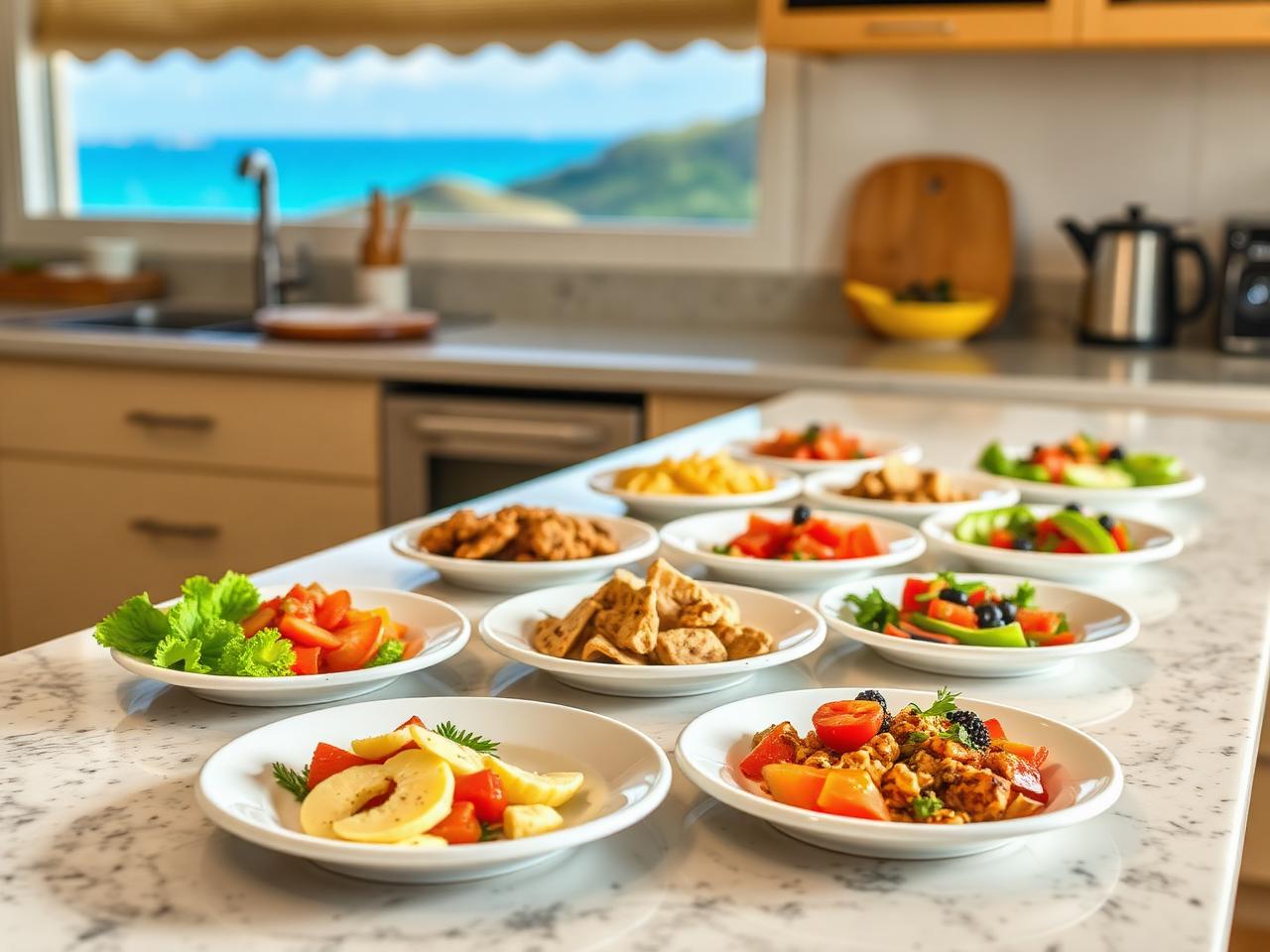
For all of the delectable details, please read my easy-to-digest position paper on nutritive fitness. You can download this, as well as my revolutionary free fitness app, at Super7System.com.
Ready to put your sustainable eating to work? Try SUPER 7 FREE for a Smart-Simple-Speedy-Safe daily starting point: no gym, no equipment, no downloads - just open and go.
In Health & With Hope,
Doug :-)
Understanding the dangers of keto diet for older adults
When you look at the popular trend of severely restricting carbohydrates, it is important to pause and look at what actually happens inside your body. The dangers of keto diet for older adults often start with the extra stress it places on your vital organs. Forcing your body into ketosis pushes it into an emergency famine state, putting your liver and kidneys into high gear to process increased dietary acidity and heavy amounts of fat.
As the decades add up, keeping our cardiovascular system, arteries, and kidneys healthy is a top priority. High intake of saturated fats can send LDL cholesterol climbing and thicken your blood. Moreover, completely stripping away fresh fruits and plant foods removes the natural fiber your digestive tract relies on to stay regular and comfortable.
If you take blood pressure or kidney medications, sudden shifts into extreme ketosis can be unsafe. Always consult your healthcare provider before trying extreme dietary cutbacks. A much safer choice this week is to focus on keeping whole fruits and colorful fresh vegetables on your plate, giving your body gentle, water-rich hydration and natural energy without forcing it into a stress response.
Practical steps for balanced meal planning for seniors
You do not need a kitchen scale or a complex mathematical formula to nourish your body properly. Simple, balanced meal planning for seniors comes down to listening to human physiology and honoring natural hunger signals instead of counting every calorie in the grocery store aisle.
Try putting these simple habits into action in your kitchen this week:
- Start with fruit: Enjoy fresh, water-rich fruit early in the day or before heavier meals to give your body clean fuel and hydration.
- Vegetables first: Fill up on crunchy salads, sprouts, or fresh greens before moving on to cooked or heavier options.
- Graze naturally: Eat smaller, nutrient-dense portions throughout the day rather than forcing down three heavy, overwhelming meals.
Eating this way floods your system with essential vitamins, enzymes, and phytonutrients without overburdening your digestive system. If your balance feels unsteady when preparing food, keep one hand lightly on a sturdy counter for support while reaching into cupboards. Listen to your body, eat foods that bring lightness, and keep mealtime simple.
The lifelong benefits of avoiding fad diets after 60
Fitness fads come and go like rain showers over the Pacific ocean. Focusing on avoiding fad diets after 60 allows you to step off the emotional roller coaster of white-knuckling through strict rules, only to crash back to square one feeling frustrated and fatigued. Restrictive diets like carnivore, paleo, or long-term intermittent fasting often leave you tired, irritable, and missing out on essential plant nutrients.
Your body thrives on consistency and whole plant foods that reduce acidity and quiet down systemic inflammation. When you stop chasing the latest trendy endorsement or celebrity routine, you free up mental energy to focus on what actually extends your healthspan. Food should bring joy, vitality, and ease into your daily routine, whether you are at home or dining with family.
This week, grant yourself full permission to let go of dietary guilt and complicated formulas. Choose fresh, whole ingredients that taste delicious and leave you feeling light and energized. Always listen to your body, hold onto a steady chair or counter when prepping meals if needed, and remember that long-term consistency will always beat short-term extremes.
For general background, see NIA Dietary Guidelines for Older Americans.
FAQ: Questions I Get Asked Most
How can I build a nutrition plan that lasts as I get older?
Focus on sustainable nutrition for seniors by prioritizing whole plant foods, fresh fruits, and vibrant vegetables. Avoid overly restrictive fad diets that force you to count macros or eliminate entire food groups. Eat fruit before heavier foods, enjoy vegetables first at meals, and graze lightly throughout the day to keep your digestion smooth, your energy high, and your heart protected.
Why are low-carb diets risky for older adults?
Severely cutting carbohydrates can push your body into an emergency state called ketosis, which increases acidity and strains your liver and kidneys. It often replaces healthy plant fiber with saturated fats, potentially raising cholesterol levels and causing digestive sluggishness. Older adults benefit far more from clean, plant-based carbs found in fresh fruits and wholesome vegetables.
Do I need to count calories or track macros to manage my weight?
No, counting calories and tracking macros often adds unnecessary stress and confusion. Your body is not a spreadsheet. By eating fiber-rich, water-dense fruits and vegetables first, you naturally manage your weight without starving yourself, reading endless nutrition labels, or feeling guilty about what you eat.
What is a simple way to start eating better this week?
Start small by eating a piece of fresh fruit on an empty stomach every morning. Before dinner, enjoy a fresh garden salad or raw vegetables before moving on to cooked items. Grazing on small, nutrient-dense options keeps your metabolism steady without overloading your digestive system or causing sluggish energy drops.

About the Author: Douglas Jones, BS, MA, CSCS
Douglas Jones earned his Master's Degree in Exercise Physiology from the University of Maryland and is a Certified Strength and Conditioning Specialist. As an Exercise Physiologist and Concierge Fitness Professional based in Kaua'i, he has helped thousands of clients in person and millions online build simple, science-based habits for strength, stamina, stretching, and sustenance.
Doug is the founder of the Super 7 System — a complete training system you can do at home in as little as 7 minutes a day.
Watch his free intro and start free at Super7System.com.
Medical disclaimer: This article is educational only and is not medical advice, diagnosis, or treatment. Stop any movement that causes pain, and check with your healthcare provider before starting new exercise or changing your diet.
Seven honest minutes at your own counter. Try Super 7 Free →